
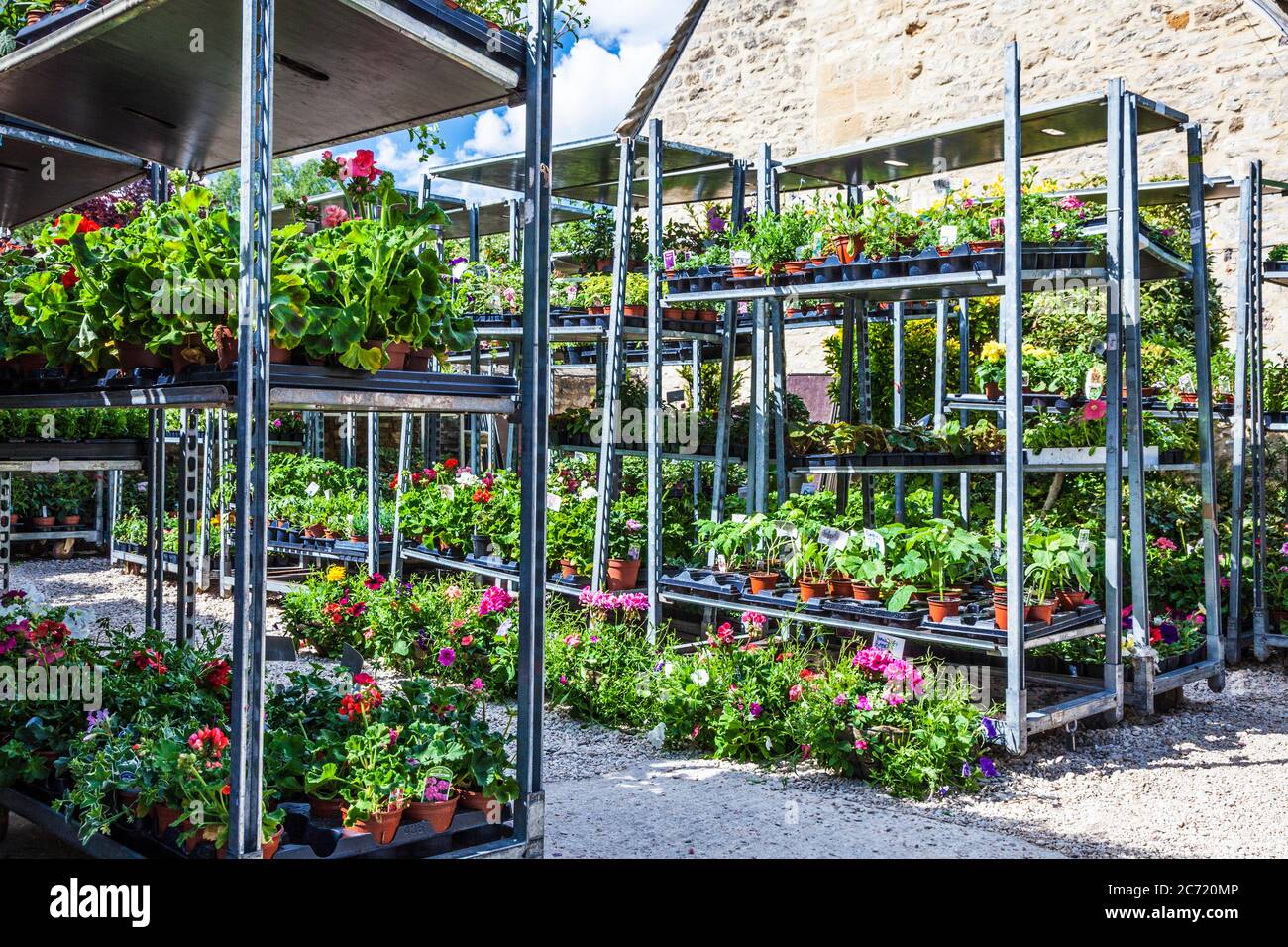
The Beauty and Benefits of Garden Nurseries
Garden nurseries are a haven for plant lovers, offering a wide variety of plants, flowers, and trees to enhance any garden or outdoor space. These nurseries serve as a one-stop shop for all your gardening needs, providing expert advice, quality plants, and essential gardening supplies.
One of the key benefits of garden nurseries is the vast selection they offer. Whether you’re looking for colorful annuals to brighten up your flower beds or perennial shrubs for long-lasting beauty, nurseries have it all. You can explore different plant varieties, sizes, and colors to create the perfect landscape for your home.
Additionally, garden nurseries provide a wealth of knowledge and expertise to help you make informed decisions about your garden. Knowledgeable staff members can offer guidance on plant care, soil conditions, watering needs, and more. This personalized assistance ensures that you select the right plants for your specific environment and gardening goals.
Furthermore, garden nurseries play a vital role in promoting sustainability and environmental stewardship. Many nurseries focus on offering native plants that are well-suited to the local climate and require less water and maintenance. By choosing native plants from a nursery, you can support biodiversity in your area and create a more resilient ecosystem.
Visiting a garden nursery is not just about shopping for plants; it’s also a delightful experience that can inspire creativity and relaxation. Strolling through rows of vibrant flowers, inhaling the fragrant scents of blooming roses, and admiring lush greenery can be a therapeutic escape from the hustle and bustle of daily life.
In conclusion, garden nurseries are invaluable resources for both novice and experienced gardeners alike. Whether you’re seeking expert advice, high-quality plants, or simply a peaceful retreat surrounded by nature’s beauty, a visit to a garden nursery is sure to enrich your gardening journey.
7 Essential Tips for a Thriving Garden Nursery
- Choose the right location with adequate sunlight for your garden nursery.
- Ensure proper drainage to prevent waterlogging in your nursery pots or beds.
- Use high-quality soil or potting mix to provide essential nutrients for plant growth.
- Regularly monitor and control pests and diseases to maintain plant health in the nursery.
- Water your plants appropriately, avoiding both underwatering and overwatering.
- Prune and trim plants as needed to promote healthy growth and shape in the nursery.
- Rotate crops periodically to prevent nutrient depletion and maintain soil fertility.
Choose the right location with adequate sunlight for your garden nursery.
Selecting the ideal location with sufficient sunlight is crucial for the success of your garden nursery. Plants require sunlight to photosynthesize and thrive, so it is essential to choose a spot that receives ample natural light throughout the day. By placing your nursery in a sunny location, you provide your plants with the energy they need to grow strong and healthy. Additionally, proper sunlight exposure can enhance flower blooming, fruit production, and overall plant vitality. Take the time to assess your garden space and ensure that your nursery is positioned in a sunny area to maximize plant growth and productivity.
Ensure proper drainage to prevent waterlogging in your nursery pots or beds.
Ensuring proper drainage is essential to prevent waterlogging in your nursery pots or beds. Adequate drainage allows excess water to escape, preventing roots from becoming waterlogged and suffocating. To promote healthy plant growth, choose containers with drainage holes and use well-draining soil mixtures. Monitoring the moisture levels in your pots or beds and adjusting your watering schedule accordingly can help maintain optimal growing conditions for your plants. By taking steps to improve drainage, you can create a thriving environment that supports healthy root development and overall plant health in your garden nursery.
Use high-quality soil or potting mix to provide essential nutrients for plant growth.
Using high-quality soil or potting mix is essential for ensuring the healthy growth of plants in a garden nursery. Quality soil provides a rich source of nutrients that plants need to thrive, including essential minerals and organic matter. By investing in premium soil or potting mix, gardeners can create an optimal growing environment that promotes strong root development, vibrant foliage, and abundant blooms. Additionally, good-quality soil helps maintain proper moisture levels and drainage, reducing the risk of overwatering or root rot. Ultimately, choosing the right soil is a foundational step in nurturing healthy and flourishing plants in a garden nursery setting.
Regularly monitor and control pests and diseases to maintain plant health in the nursery.
Regularly monitoring and controlling pests and diseases is essential for maintaining plant health in a garden nursery. Pests and diseases can quickly spread among plants, causing damage and reducing overall plant vitality. By staying vigilant and implementing effective pest management strategies, such as using natural predators or organic pesticides, nursery operators can protect their plants from harm and ensure they thrive in a healthy environment. This proactive approach not only safeguards the current plant stock but also helps prevent future infestations, promoting the long-term success of the nursery.
Water your plants appropriately, avoiding both underwatering and overwatering.
To ensure the health and vitality of your plants from the garden nursery, it is crucial to water them appropriately, striking a balance between underwatering and overwatering. Insufficient watering can lead to wilting, stunted growth, and nutrient deficiencies, while excessive watering can cause root rot and other water-related issues. By monitoring the moisture levels in the soil and adjusting your watering routine accordingly, you can help your plants thrive and flourish in their new environment. Remember that each plant has specific water requirements, so it’s essential to tailor your watering practices to meet the individual needs of each species.
Prune and trim plants as needed to promote healthy growth and shape in the nursery.
Pruning and trimming plants as needed is a crucial practice in a garden nursery to ensure healthy growth and maintain desired shapes. By removing dead or overgrown branches, you can stimulate new growth, improve air circulation, and prevent disease. Regular pruning also helps control the size and structure of plants, creating a more aesthetically pleasing display in the nursery. With proper pruning techniques, such as cutting at the correct angle and timing, you can encourage strong, vigorous growth that enhances the overall health and beauty of your plants.
Rotate crops periodically to prevent nutrient depletion and maintain soil fertility.
Rotating crops periodically in your garden nursery is a smart practice to prevent nutrient depletion and preserve soil fertility. By changing the location of different plant species each growing season, you can help balance the soil’s nutrient levels and reduce the risk of depleting specific nutrients that certain plants may heavily rely on. This rotation strategy also helps break cycles of pests and diseases that may build up in the soil over time, promoting healthier plant growth and overall garden productivity.