
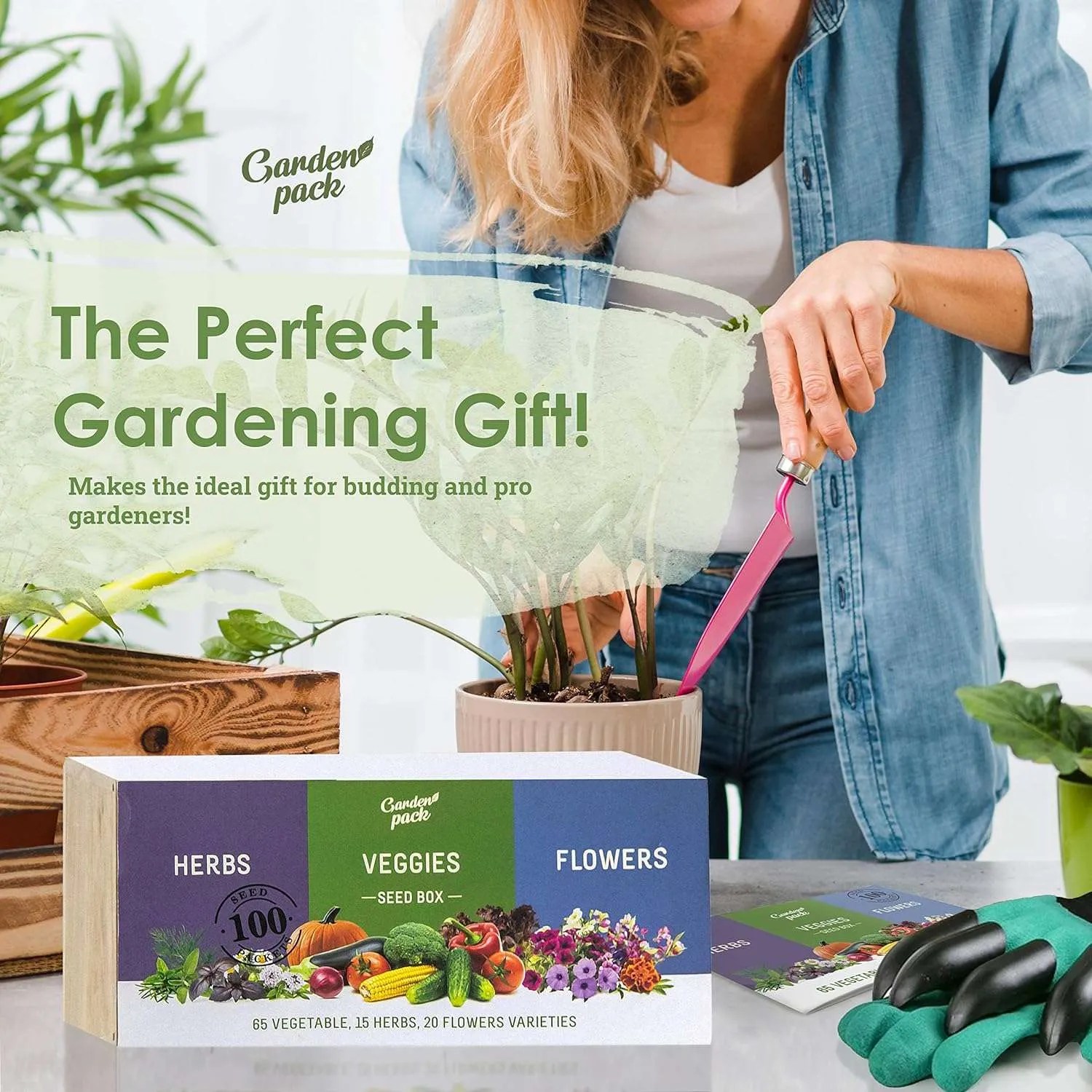
The Magic of Garden Seeds: Bringing Life to Your Garden
One of the simplest yet most magical aspects of gardening is the humble garden seed. These tiny packages contain the potential for life, growth, and beauty, waiting to be unlocked by the nurturing hands of a gardener.
Garden seeds come in a variety of shapes, sizes, and colors, each holding within it the genetic blueprint for a specific plant. From vibrant flowers to delicious vegetables, garden seeds offer endless possibilities for creating a thriving garden oasis.
Starting your garden from seeds allows you to witness the entire lifecycle of a plant, from germination to maturity. It’s a rewarding experience that connects you deeply with nature and the rhythms of growth and renewal.
Whether you’re sowing seeds directly into the soil or starting them indoors for later transplanting, caring for garden seeds requires patience, attention, and a bit of know-how. Factors like soil temperature, moisture levels, and sunlight exposure all play a role in ensuring successful germination and healthy plant growth.
As you watch your garden seeds sprout and grow into robust plants, you’ll feel a sense of accomplishment and pride in knowing that you played a part in their journey. And when those plants finally bear fruit or bloom in brilliant colors, your efforts will be rewarded with beauty, flavor, and perhaps even a sense of wonder at nature’s incredible power.
So next time you’re planning your garden or looking to add some new life to your outdoor space, consider the magic of garden seeds. With just a little care and attention, these tiny wonders can transform your backyard into a vibrant paradise teeming with life.
5 Essential Tips for Storing and Planting Garden Seeds Successfully
- Store seeds in a cool, dry place to maintain their viability.
- Label your seed packets with the date and type of seeds for easy identification.
- Start seeds indoors early to extend the growing season.
- Follow planting depth and spacing instructions on seed packets for optimal growth.
- Save seeds from your healthiest plants for next year’s garden.
Store seeds in a cool, dry place to maintain their viability.
To ensure the longevity and viability of your garden seeds, it is essential to store them in a cool, dry place. Proper storage conditions help preserve the seeds’ genetic material and protect them from moisture and temperature fluctuations that can compromise their ability to germinate. By keeping your seeds in a cool, dry environment, you can extend their shelf life and maximize their potential for successful growth when it’s time to plant them in your garden.
Label your seed packets with the date and type of seeds for easy identification.
To ensure easy identification and organization of your garden seeds, it is important to label each seed packet with the date of purchase and the type of seeds contained within. This simple practice can help you keep track of seed viability, planting schedules, and specific plant varieties. By clearly labeling your seed packets, you can avoid confusion and make informed decisions when planning and maintaining your garden.
Start seeds indoors early to extend the growing season.
Starting seeds indoors early is a valuable tip for gardeners looking to extend their growing season. By germinating seeds indoors before the last frost date, gardeners can give their plants a head start and ensure a longer period of growth and harvest. This practice allows for stronger, more established seedlings to be transplanted into the garden once the weather warms up, giving them a better chance of thriving and producing a bountiful harvest. Whether you’re growing vegetables, flowers, or herbs, starting seeds indoors early is a proactive way to make the most of your gardening season and enjoy an abundance of fresh produce or blooms.
Follow planting depth and spacing instructions on seed packets for optimal growth.
To ensure optimal growth of your garden seeds, it is crucial to follow the planting depth and spacing instructions provided on the seed packets. These guidelines are carefully crafted to give your seeds the best chance of germination and healthy development. Planting seeds at the correct depth ensures they receive adequate access to light, water, and nutrients, while proper spacing prevents overcrowding and competition for resources among plants. By adhering to these instructions, you set the stage for a successful garden filled with thriving plants that can reach their full potential.
Save seeds from your healthiest plants for next year’s garden.
Saving seeds from your healthiest plants for next year’s garden is a smart and sustainable gardening practice that can help you cultivate a thriving and resilient garden over time. By selecting seeds from your strongest and most productive plants, you are essentially breeding for desirable traits like disease resistance, vigor, and flavor. This simple yet effective tip not only saves you money on buying new seeds each year but also allows you to tailor your garden to suit your specific growing conditions and preferences. So, next time you’re harvesting from your garden, remember to set aside some seeds from your best performers for a bountiful garden in the seasons to come.