
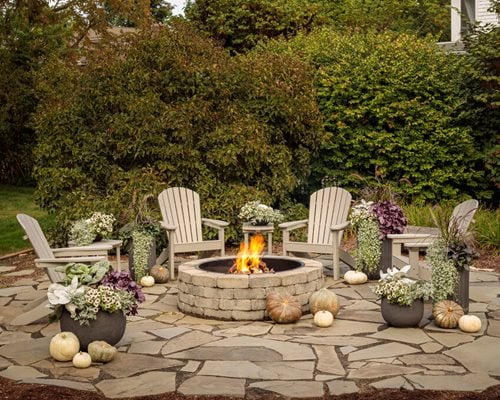
The Art of Gardening Design
Gardening design is not just about planting flowers and shrubs randomly in a garden. It is a thoughtful process that involves creativity, planning, and a deep understanding of plants and their environment. A well-designed garden can be a work of art that brings joy and beauty to both the gardener and those who visit.
Elements of Gardening Design
When creating a garden design, several key elements should be considered:
- Layout: The arrangement of plants, pathways, and structures in the garden space.
- Color: The use of different flower and foliage colors to create visual interest and harmony.
- Texture: Mixing plants with different leaf shapes and sizes to add depth and dimension to the garden.
- Height: Incorporating plants of varying heights to create a sense of balance and structure.
- Focal Points: Using eye-catching elements like sculptures or water features to draw attention to specific areas.
Tips for Creating a Stunning Garden Design
Here are some tips to help you create a beautiful and functional garden design:
- Know Your Space: Consider the size, shape, sunlight exposure, and soil conditions of your garden before selecting plants.
- Create Zones: Divide your garden into different zones for relaxation, entertainment, or growing specific types of plants.
- Think Seasonally: Choose plants that bloom at different times of the year to ensure year-round interest in your garden.
- Incorporate Hardscaping: Include elements like paths, walls, or trellises to add structure and definition to your garden design.
- Maintain Balance: Aim for a balance between formality and informality in your garden layout to create visual appeal.
The Benefits of Well-Designed Gardens
A well-designed garden can offer numerous benefits beyond aesthetics. It can provide a peaceful retreat for relaxation, attract beneficial wildlife like birds and butterflies, improve air quality, reduce stress levels, and even increase property value. By investing time and effort into gardening design, you can create a space that enhances your quality of life and connects you with nature.
In conclusion, gardening design is an art form that requires creativity, planning, and attention to detail. Whether you are designing a small urban balcony or a sprawling country estate, thoughtful consideration of layout, color, texture, height, and focal points can help you create a stunning garden that reflects your personality and brings joy for years to come.
Top 5 FAQs on Creating the Perfect Garden Design: Tips, Elements, Sustainability, Mistakes to Avoid, and Helpful Resources
- How do I create a garden design that suits my space and climate?
- What are some key elements to consider when planning a garden design?
- How can I incorporate sustainable and eco-friendly practices into my gardening design?
- What are some common mistakes to avoid when designing a garden?
- Are there any resources or tools available to help with planning and implementing a garden design?
How do I create a garden design that suits my space and climate?
Creating a garden design that suits your space and climate involves careful planning and consideration of various factors. Start by assessing the size, shape, sunlight exposure, and soil conditions of your garden to determine what plants will thrive in that environment. Research plants that are well-suited to your specific climate zone to ensure their success. Consider creating different zones within your garden to accommodate plants with varying light and water requirements. By choosing plants that are adapted to your local climate and designing a layout that maximizes space and sunlight, you can create a garden that not only suits your surroundings but also thrives in them.
What are some key elements to consider when planning a garden design?
When planning a garden design, it is essential to consider several key elements to create a harmonious and visually appealing outdoor space. Some crucial factors to keep in mind include the layout of the garden, the selection of colors and textures for plants, the incorporation of different plant heights for balance, the creation of focal points to draw attention, and the overall functionality of the garden space. By carefully considering these elements, gardeners can design a landscape that not only looks beautiful but also suits their needs and enhances the environment.
How can I incorporate sustainable and eco-friendly practices into my gardening design?
Incorporating sustainable and eco-friendly practices into your gardening design is essential for creating a healthy and environmentally conscious outdoor space. One way to achieve this is by selecting native plants that are well-adapted to your region’s climate and require less water and maintenance. Additionally, using organic fertilizers and natural pest control methods can help reduce chemical runoff and preserve soil health. Implementing water-saving techniques such as mulching, drip irrigation, and rainwater harvesting can also minimize water waste. By prioritizing biodiversity, composting organic waste, and creating habitats for beneficial insects and wildlife, you can create a sustainable garden that thrives in harmony with nature.
What are some common mistakes to avoid when designing a garden?
When designing a garden, it is important to avoid common mistakes that can hinder the overall beauty and functionality of the space. One common mistake is overcrowding plants, which can lead to competition for resources and a cluttered appearance. Another mistake is neglecting to consider the mature size of plants, resulting in overcrowding as they grow. Lack of diversity in plant selection can also be a pitfall, as it may lead to a monotonous garden lacking visual interest. Ignoring the natural conditions of the site, such as sunlight exposure and soil quality, can result in plants struggling to thrive. Lastly, failing to plan for maintenance needs like watering, pruning, and weeding can lead to an unkempt garden over time. By being mindful of these common mistakes and planning thoughtfully, one can create a well-designed garden that flourishes harmoniously.
Are there any resources or tools available to help with planning and implementing a garden design?
When it comes to planning and implementing a garden design, there are numerous resources and tools available to assist both novice and experienced gardeners. Online garden planning tools, such as virtual design software and apps, can help visualize layouts and plant placements before digging into the soil. Garden design books and magazines offer inspiration, tips, and step-by-step guides for creating various garden styles. Local nurseries, botanical gardens, and extension offices often provide workshops, classes, and expert advice on gardening design. Additionally, professional landscape designers can be hired for more complex projects or tailored guidance. With a wealth of resources at hand, aspiring gardeners can find the support they need to bring their garden design visions to life.