
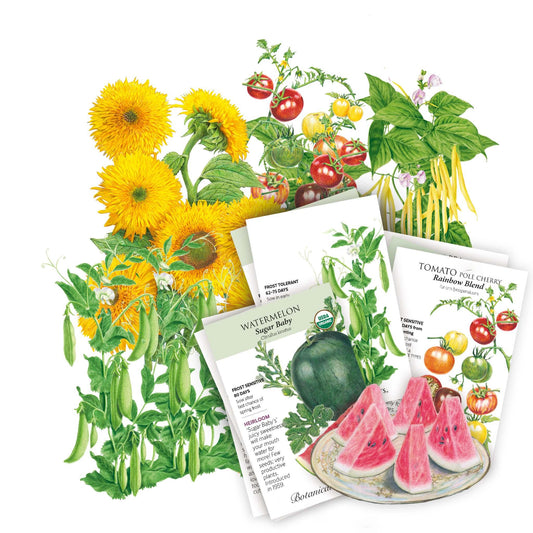
The Magic of Gardens and Seeds
There is a special kind of magic in gardens, where the beauty of nature unfolds before our eyes. At the heart of every garden lies the humble seed, a tiny powerhouse of life waiting to burst forth and grow into something magnificent.
Seeds are like small miracles, containing all the genetic information needed to sprout, grow, and eventually produce flowers, fruits, or vegetables. They come in all shapes and sizes, each with its own unique requirements for germination and growth.
Planting seeds is a simple act that holds great promise. With proper care and attention, seeds can transform into vibrant plants that add color, fragrance, and life to our surroundings. Whether you have a spacious backyard garden or a small balcony filled with pots, seeds offer endless possibilities for creativity and connection with nature.
Gardens nourish not only our bodies but also our souls. They provide a sanctuary from the hustle and bustle of daily life, inviting us to slow down, breathe deeply, and appreciate the wonders of the natural world. Tending to a garden can be a meditative practice that cultivates patience, mindfulness, and gratitude.
As we sow seeds in the earth and watch them grow into flourishing plants, we are reminded of the cycles of life and the interconnectedness of all living beings. Gardens teach us valuable lessons about resilience, adaptation, and renewal. They show us that even in times of darkness, there is always potential for growth and beauty.
So next time you hold a seed in your hand, take a moment to marvel at its potential. Plant it in fertile soil with care and love, knowing that you are participating in a timeless dance of creation and growth. Nurture your garden as you would nurture your dreams – with patience, dedication, and faith in the magic of seeds.
Essential Guide to Starting a Garden: Top FAQs on Seeds and Plant Care
- How do I start a garden from seeds?
- What are the best seeds to plant for beginners?
- When is the best time to plant seeds in my region?
- How often should I water seeds and seedlings?
- What are some common pests and diseases that affect garden plants grown from seeds?
- How can I save seeds from my garden for planting next year?
How do I start a garden from seeds?
Starting a garden from seeds is a rewarding and fulfilling process that begins with careful planning and preparation. To begin, choose the seeds of plants that thrive in your specific climate and growing conditions. Prepare a suitable garden bed or containers with nutrient-rich soil and ensure proper drainage. Follow the instructions on the seed packets regarding planting depth, spacing, and watering requirements. Keep the soil consistently moist but not waterlogged, and provide adequate sunlight for germination. As the seeds sprout and grow into seedlings, continue to monitor their progress, providing necessary care such as watering, fertilizing, and protecting them from pests. With patience, dedication, and a little bit of magic from nature, you can watch your garden bloom from tiny seeds into flourishing plants that bring beauty and joy to your surroundings.
What are the best seeds to plant for beginners?
For beginners looking to start their gardening journey, it’s important to choose seeds that are easy to grow and require minimal maintenance. Some of the best seeds for beginners include sunflowers, zinnias, marigolds, radishes, and lettuce. These seeds are known for their resilience, fast growth, and adaptability to various growing conditions. Sunflowers and zinnias add vibrant colors to the garden and attract pollinators, while marigolds help deter pests. Radishes and lettuce are quick-growing vegetables that provide a satisfying harvest for novice gardeners. By starting with these beginner-friendly seeds, aspiring gardeners can gain confidence and experience success in their gardening endeavors.
When is the best time to plant seeds in my region?
Determining the best time to plant seeds in your region is crucial for successful gardening. The optimal planting time varies depending on factors such as climate, soil conditions, and the specific requirements of the seeds you are working with. It is recommended to consult local gardening resources or extension services to find out the ideal planting window for your area. By planting seeds at the right time, you can maximize their chances of germination and growth, ultimately leading to a bountiful and thriving garden.
How often should I water seeds and seedlings?
Proper watering is crucial for the success of seeds and seedlings in your garden. The frequency of watering depends on various factors such as the type of seeds, soil moisture levels, and environmental conditions. In general, it is essential to keep the soil consistently moist but not waterlogged to ensure that seeds germinate and seedlings establish healthy root systems. A good practice is to water seeds lightly but frequently, especially during the germination period when they are most vulnerable to drying out. As seedlings grow, adjust your watering schedule based on their specific needs, taking into account factors like weather patterns and soil drainage. Regular monitoring and adjusting of watering practices will help you maintain optimal conditions for the growth and development of your seeds and seedlings in the garden.
What are some common pests and diseases that affect garden plants grown from seeds?
Garden plants grown from seeds are susceptible to various pests and diseases that can hinder their growth and development. Common pests include aphids, caterpillars, snails, and slugs, which can feed on the leaves and stems of young seedlings. These pests can weaken plants and stunt their growth if not controlled early on. Additionally, fungal diseases such as powdery mildew, damping-off, and leaf spot can affect seedlings and mature plants alike, causing discoloration, wilting, and reduced vigor. Proper monitoring, good cultural practices, and timely interventions like using organic pest control methods or fungicides can help protect garden plants from these common threats.
How can I save seeds from my garden for planting next year?
Saving seeds from your garden for planting next year is a rewarding and sustainable practice that allows you to preserve the characteristics of your favorite plants and reduce your reliance on store-bought seeds. To save seeds successfully, start by selecting healthy, mature fruits or flowers from which to harvest seeds. Allow the seeds to fully ripen and dry on the plant before collecting them. Once harvested, clean the seeds thoroughly and store them in a cool, dry place in labeled envelopes or containers. Remember to keep different seed varieties separate to maintain their genetic purity. By following these steps, you can create a seed collection that not only sustains your garden but also connects you more deeply to the natural cycles of growth and renewal.