
The Enchantment of Gazing Globes in the Garden
Gazing globes, also known as mirror balls or garden orbs, have been a captivating addition to gardens for centuries. These reflective spheres add a touch of magic and whimsy to outdoor spaces, creating a sense of mystery and wonder.
Originating from the Victorian era, gazing globes were believed to ward off evil spirits and bring good luck to the garden. Today, they are cherished for their aesthetic appeal and ability to enhance the beauty of any landscape.
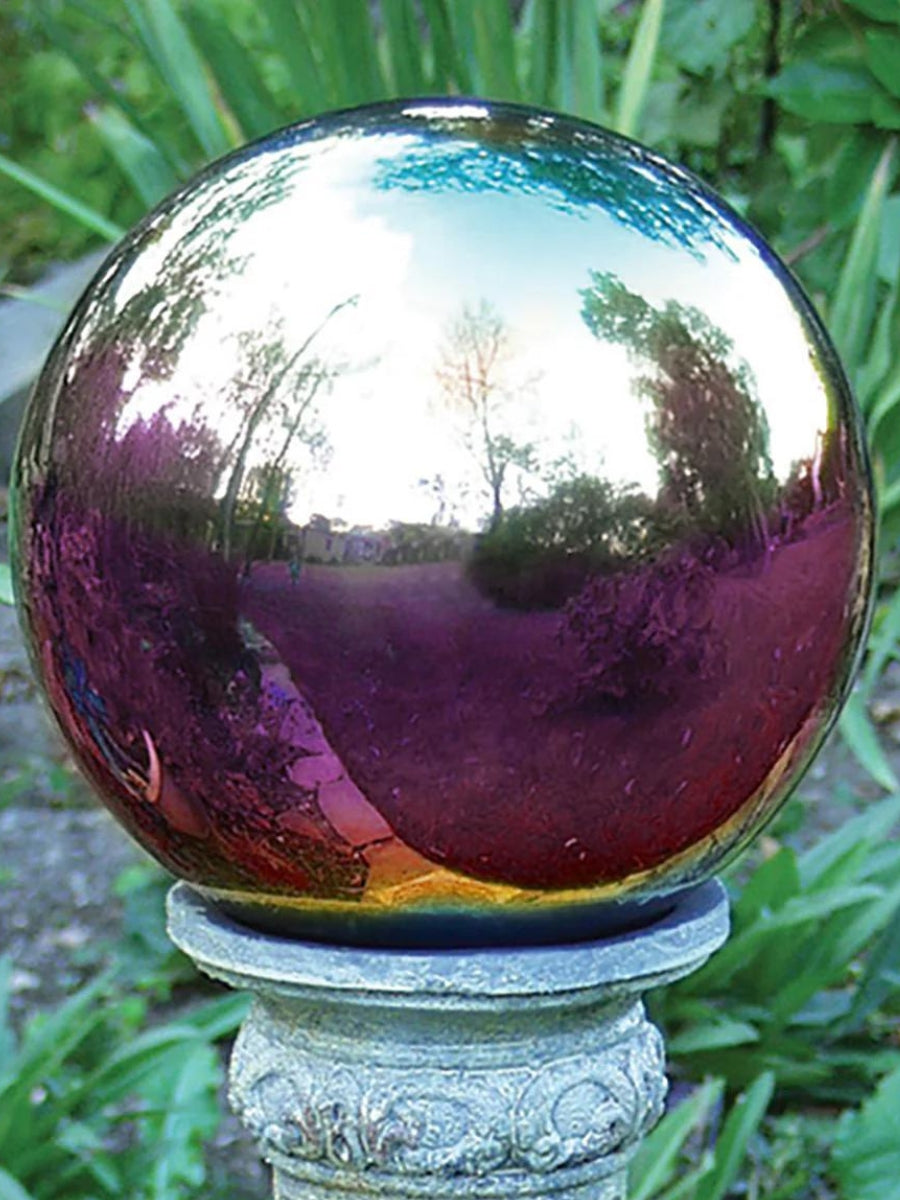
One of the most alluring features of gazing globes is their reflective surface, which mirrors the surrounding garden and sky. This creates a stunning visual effect, especially when placed strategically among plants or along pathways.
Available in a variety of sizes, colors, and finishes, gazing globes can be easily incorporated into any garden style – from traditional to modern. They can serve as focal points in flower beds, nestled among shrubs, or placed on pedestals for added height and prominence.
Whether used as standalone ornaments or as part of a larger garden display, gazing globes have a timeless appeal that never fails to captivate onlookers. Their ability to reflect light and create an illusion of depth makes them a versatile and enchanting addition to any outdoor space.
So if you’re looking to add a touch of magic and intrigue to your garden, consider incorporating a gazing globe into your landscape design. Let its reflective beauty mesmerize you and bring an element of enchantment to your outdoor sanctuary.
Understanding Gazing Globes: Purpose, Placement, and Origins
- What is the purpose of a gazing globe?
- What is a gazing sphere?
- Do gazing balls attract birds?
- Where do you put gazing balls?
- Why do people put shiny balls in their garden?
- Where did the gazing ball originate?
What is the purpose of a gazing globe?
Gazing globes serve both a practical and aesthetic purpose in the garden. Functionally, they are believed to bring good luck and ward off evil spirits, a tradition dating back to the Victorian era. Aesthetically, gazing globes add a touch of enchantment and whimsy to outdoor spaces with their reflective surfaces that mirror the surrounding garden and sky. These mesmerizing orbs create visual interest, serve as focal points in garden design, and enhance the beauty of any landscape by adding a sense of mystery and wonder.
What is a gazing sphere?
A gazing sphere, also known as a gazing globe or mirror ball, is a decorative garden ornament typically made of glass or stainless steel. These spherical objects are designed to reflect the surrounding environment, creating a mesmerizing visual effect in the garden. Gazing spheres have been popular for centuries and are believed to bring good luck and ward off negative energies. They come in various sizes, colors, and finishes, allowing gardeners to choose the perfect one to complement their outdoor space. Placing a gazing sphere strategically in the garden adds a touch of elegance and enchantment, making it a beloved feature for many garden enthusiasts.
Do gazing balls attract birds?
Gazing balls, with their reflective surfaces and shiny appearance, may attract birds to your garden. Birds are naturally curious creatures and may be drawn to the gazing ball as they perceive it as a source of light or food. However, it’s important to note that not all birds are attracted to gazing balls, and the level of attraction can vary depending on the species and their individual behaviors. If you enjoy bird-watching and want to attract more feathered visitors to your garden, placing a gazing ball strategically among bird-friendly plants and providing water sources can enhance the overall appeal of your outdoor space for avian visitors.
Where do you put gazing balls?
When it comes to placing gazing balls in your garden, the possibilities are endless. Gazing balls can be placed strategically in flower beds to add a pop of color and visual interest. They also look stunning when nestled among greenery or placed on pedestals to create a focal point. Consider positioning gazing balls along pathways or near water features to enhance the reflective quality of their surfaces. Ultimately, the placement of gazing balls is a personal choice that depends on your garden’s layout and design aesthetic. Experiment with different locations to find the perfect spot that showcases the beauty and enchantment of these captivating garden ornaments.
Why do people put shiny balls in their garden?
People put shiny balls, known as gazing globes, in their garden for a variety of reasons. These reflective spheres are not only visually appealing but also add a touch of enchantment and whimsy to outdoor spaces. The mirrored surface of gazing globes creates a stunning visual effect by reflecting the surrounding garden and sky, adding depth and dimension to the landscape. Additionally, gazing globes have a long-standing tradition dating back to the Victorian era, where they were believed to ward off evil spirits and bring good luck to the garden. Today, people continue to incorporate gazing globes into their gardens for their aesthetic beauty and ability to create a sense of magic and wonder in their outdoor sanctuary.
Where did the gazing ball originate?
The origin of the gazing ball, also known as a gazing globe, can be traced back to the Victorian era in England. During this time, these reflective spheres were believed to have mystical properties, serving as protective talismans that warded off evil spirits and brought good luck to the garden. The tradition of using gazing globes as ornamental garden decor spread across Europe and eventually to other parts of the world, where they continue to enchant and captivate garden enthusiasts with their timeless charm and beauty.