
How to Grow Peas: A Guide to Growing Your Own Fresh Peas
Peas are a delicious and nutritious addition to any garden. Whether you prefer snap peas, snow peas, or shelling peas, growing your own peas is a rewarding experience that can yield a bountiful harvest. Here’s a guide to help you grow your own fresh peas:
Choosing the Right Variety of Peas
Before you start growing peas, it’s important to choose the right variety for your garden. Snap peas are eaten whole, pods and all, while shelling peas are removed from their pods before eating. Snow peas have flat edible pods and are commonly used in stir-fries.
Planting Peas
Peas prefer cool weather, so it’s best to plant them in early spring or late summer for a fall harvest. Choose a sunny location with well-drained soil. Plant pea seeds about 1 inch deep and 2 inches apart in rows spaced 18-24 inches apart.
Caring for Pea Plants
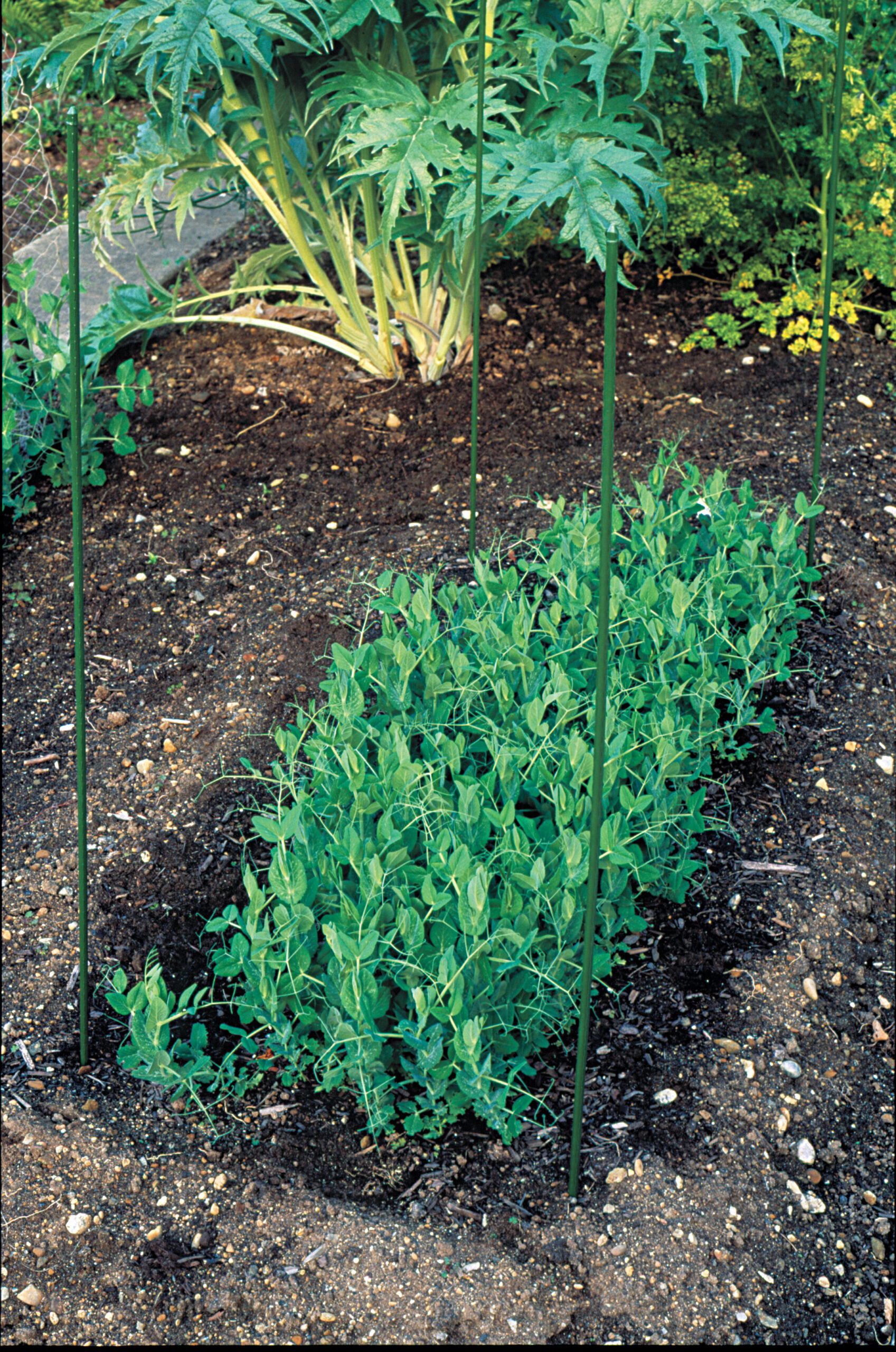
Water your pea plants regularly, especially during dry spells. Mulch around the base of the plants to help retain moisture and suppress weeds. Provide support for tall varieties of peas by using stakes or trellises.
Harvesting Peas
Peas are ready to harvest when the pods are plump and firm but still tender. Harvest snap peas when the pods are full but still flat. Shelling peas should be harvested when the pods are filled out but not yet tough. Snow peas should be harvested while the pods are still flat and tender.
Enjoying Your Fresh Peas
Freshly picked peas can be enjoyed raw as a healthy snack or added to salads for extra crunch. They can also be steamed, sautéed, or roasted as a delicious side dish. Consider freezing any excess peas for later use so you can enjoy your homegrown bounty all year round!
By following these simple steps, you can grow your own fresh and flavorful peas right in your own backyard. Happy gardening!
Top 7 Questions About Growing Peas: Planting Tips and Best Practices
- What should not be planted next to peas?
- What month do you plant peas in?
- What is the best month to plant peas?
- What not to plant next to peas?
- Do peas need to climb to grow?
- How long does it take to grow peas?
- What is the secret to growing peas?
What should not be planted next to peas?
When growing peas, it is important to be mindful of what should not be planted next to them to ensure successful growth. Peas are sensitive to certain crops that can hinder their development, such as onions, garlic, and chives. These plants can release compounds that may inhibit the growth of peas. Additionally, it is recommended to avoid planting peas near members of the brassica family, including cabbage, broccoli, and cauliflower, as they can compete for nutrients in the soil. By being selective about neighboring plants when growing peas, gardeners can optimize their pea harvest and promote healthy growth.
What month do you plant peas in?
Peas are typically planted in early spring as soon as the soil can be worked, usually around March or April, depending on your local climate. For a fall harvest, peas can also be planted in late summer, around August. It’s important to consider the temperature and frost dates in your area when deciding the best time to plant peas to ensure they have enough time to mature before the heat of summer or the frost of winter sets in.
What is the best month to plant peas?
The best month to plant peas largely depends on your location and the specific variety of peas you are growing. In general, peas thrive in cool weather and can be planted as soon as the soil can be worked in early spring. For many regions, planting peas in March or April is ideal for a spring harvest. However, if you live in a warmer climate, you may have better success planting peas in late summer for a fall harvest. It’s important to check your local frost dates and consider the average temperatures in your area when determining the best time to plant peas for optimal growth and yield.
What not to plant next to peas?
When growing peas in your garden, it’s important to be mindful of what not to plant next to them. Peas are sensitive to certain plants that can hinder their growth or attract pests. Avoid planting peas next to members of the onion family, such as garlic and onions, as their strong odors can affect the flavor of peas. Additionally, it’s best to keep peas away from potatoes and other root vegetables that may compete for nutrients in the soil. By being selective about the companions for your pea plants, you can ensure a successful and thriving pea harvest in your garden.
Do peas need to climb to grow?
Peas are climbing plants that benefit from support as they grow. While some bush varieties of peas exist, most pea plants are climbers that produce tendrils to help them climb and support their growth. Providing a trellis, stakes, or other support for your pea plants can help them reach their full potential and prevent the vines from becoming tangled or damaged. Climbing peas also tend to produce larger yields and are easier to harvest. So, while peas don’t necessarily need to climb to grow, providing them with support can lead to healthier plants and a more successful harvest.
How long does it take to grow peas?
The time it takes to grow peas largely depends on the variety you choose and the growing conditions. Typically, most varieties of peas take about 55 to 70 days from planting to harvest. However, some early-maturing varieties can be ready for harvest in as little as 50 days, while others may take up to 90 days. It’s important to check the specific instructions provided with the pea seeds you plant and consider factors such as temperature, sunlight, and soil quality that can affect the growth rate of your pea plants.
What is the secret to growing peas?
The secret to successfully growing peas lies in providing the right growing conditions for these cool-season vegetables. Peas thrive in well-drained soil with full sun exposure, although they can tolerate some shade. It is crucial to plant peas early in the season to avoid heat stress and ensure a bountiful harvest. Additionally, providing adequate support for tall varieties and regular watering are essential for healthy pea plants. By following these key practices and paying attention to the specific needs of pea plants, gardeners can unlock the secret to growing robust and flavorful peas in their own gardens.