
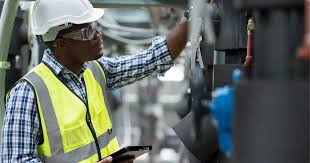
The Importance of Regular Maintenance in Everyday Life
Regular maintenance is a crucial aspect of keeping things running smoothly in our everyday lives. Whether it’s our cars, homes, appliances, or even our own health, consistent upkeep and care play a significant role in ensuring longevity and optimal performance.
One area where maintenance is particularly important is with vehicles. Regular oil changes, tire rotations, and tune-ups can prevent costly repairs down the line and extend the lifespan of your car. By following the manufacturer’s recommended maintenance schedule, you can keep your vehicle running efficiently and safely.
Similarly, maintaining our homes through regular cleaning, repairs, and inspections can help prevent issues such as water damage, mold growth, and structural problems. Simple tasks like checking for leaks, cleaning gutters, and servicing HVAC systems can save homeowners time and money in the long run.
When it comes to appliances and electronic devices, regular maintenance can also make a big difference. Cleaning filters on air conditioners and dryers, defrosting refrigerators, and updating software on computers are all simple tasks that can improve performance and prevent breakdowns.
Lastly, personal health maintenance is essential for overall well-being. Regular exercise, balanced nutrition, sufficient sleep, and routine check-ups with healthcare providers are all vital components of maintaining good health.
In conclusion, regular maintenance is key to preserving the things we value in our lives. By taking proactive steps to care for our possessions and ourselves, we can enjoy greater efficiency, longevity, and peace of mind.
Essential Maintenance Tips: Frequently Asked Questions on Cars, Homes, and More
- How often should I change the oil in my car?
- What are some common home maintenance tasks that should be done regularly?
- How can I prolong the lifespan of my appliances?
- What are the signs that indicate my HVAC system needs maintenance?
- Why is regular maintenance important for maintaining a healthy lifestyle?
- Are there any DIY maintenance tasks I can perform to save money?
How often should I change the oil in my car?
Regular oil changes are essential for maintaining the health and longevity of your car’s engine. The general recommendation is to change the oil every 5,000 to 7,500 miles or every six months, whichever comes first. However, this interval may vary depending on your vehicle’s make and model, driving conditions, and the type of oil used. It’s important to consult your car’s owner’s manual for specific guidelines from the manufacturer. Keeping up with regular oil changes ensures proper lubrication of engine components, reduces wear and tear, and helps maintain optimal performance and fuel efficiency in your vehicle.
What are some common home maintenance tasks that should be done regularly?
Regular home maintenance tasks are essential to keep your house in top condition and prevent costly repairs down the line. Some common tasks that should be done regularly include checking and replacing HVAC filters, cleaning gutters and downspouts, inspecting and repairing caulking around windows and doors, testing smoke detectors and carbon monoxide alarms, cleaning kitchen appliances, such as the refrigerator coils and oven hood filters, inspecting for leaks in plumbing fixtures, and trimming trees and shrubs near the house. By staying on top of these maintenance tasks, you can ensure that your home remains safe, efficient, and comfortable for you and your family.
How can I prolong the lifespan of my appliances?
To prolong the lifespan of your appliances, regular maintenance is key. Start by following the manufacturer’s recommended maintenance schedule for each appliance, which may include tasks like cleaning filters, checking for leaks, and lubricating moving parts. Keep appliances clean both inside and out to prevent dust buildup and ensure optimal performance. Avoid overloading appliances and use them according to their intended purpose to prevent unnecessary wear and tear. Additionally, consider investing in surge protectors to safeguard appliances from electrical damage. By taking these proactive steps, you can extend the lifespan of your appliances and save money on costly repairs or replacements in the long run.
What are the signs that indicate my HVAC system needs maintenance?
There are several signs that indicate your HVAC system may need maintenance. If you notice reduced airflow, strange odors, unusual noises, or inconsistent temperatures throughout your home, it could be a sign that your HVAC system requires attention. Additionally, higher energy bills without a corresponding increase in usage could indicate inefficiencies in your system that need to be addressed. Regular maintenance of your HVAC system can help prevent costly repairs and ensure that your home remains comfortable year-round.
Why is regular maintenance important for maintaining a healthy lifestyle?
Regular maintenance is crucial for maintaining a healthy lifestyle because it allows individuals to proactively address potential health issues before they escalate. Just as we maintain our cars and homes to prevent costly repairs, taking care of our bodies through regular exercise, balanced nutrition, and routine check-ups can help us identify and address health concerns early on. By staying on top of preventive care measures, such as screenings and vaccinations, individuals can reduce their risk of developing chronic conditions and promote overall well-being. Consistent maintenance of our physical and mental health is key to living a fulfilling and active life.
Are there any DIY maintenance tasks I can perform to save money?
There are several DIY maintenance tasks you can perform to save money and keep your belongings in good condition. Simple tasks like changing the air filters in your home’s HVAC system, cleaning gutters, lubricating hinges and locks, caulking windows and doors, and checking for leaks can all be done without professional help. For vehicles, you can learn how to change the oil, replace air filters, check tire pressure, and top up fluids like coolant and windshield washer fluid. By taking on these DIY maintenance tasks regularly, you can save on repair costs and ensure that your belongings stay in optimal working condition.