
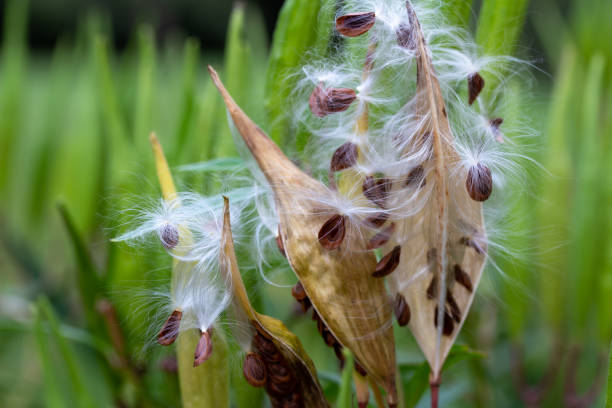
The Importance of Milkweed Seeds in Supporting Monarch Butterflies
Milkweed seeds play a crucial role in supporting the survival of monarch butterflies, one of the most iconic and beloved butterfly species in North America. Monarch butterflies rely on milkweed plants as the sole host plant for their eggs and caterpillars.
When female monarch butterflies are ready to lay their eggs, they seek out milkweed plants to deposit them on. The tiny white, yellow, or orange eggs hatch into caterpillars that feed exclusively on milkweed leaves. These caterpillars absorb toxins from the milkweed, making them unpalatable to predators.
As the caterpillars grow and develop, they undergo several molts before forming a chrysalis. Inside the chrysalis, the transformation from caterpillar to butterfly takes place. Once emerged, adult monarch butterflies rely on nectar from flowers for sustenance.
Unfortunately, milkweed plants have been declining due to habitat loss and pesticide use, leading to a significant decrease in monarch butterfly populations. By planting milkweed seeds in gardens, parks, and other green spaces, individuals can help provide essential habitat for monarch butterflies throughout their life cycle.
There are several species of milkweed that are native to different regions across North America. Common types include common milkweed (Asclepias syriaca), swamp milkweed (Asclepias incarnata), and butterfly weed (Asclepias tuberosa). Each species has unique characteristics and growing requirements.
By cultivating milkweed seeds and creating monarch-friendly habitats, individuals can contribute to the conservation efforts aimed at protecting these beautiful butterflies. Supporting monarch populations is not only beneficial for the butterflies themselves but also helps maintain biodiversity and promote healthy ecosystems.
5 Essential Tips for Successfully Growing Milkweed from Seeds
- Plant milkweed seeds in well-draining soil.
- Sow milkweed seeds in early spring or fall for best results.
- Milkweed seeds require stratification for germination, which can be achieved by cold moist stratification or scarification.
- Water milkweed seeds regularly but avoid overwatering to prevent rotting.
- Provide plenty of sunlight for milkweed seedlings to thrive.
Plant milkweed seeds in well-draining soil.
To ensure successful growth and development of milkweed seeds, it is essential to plant them in well-draining soil. Proper drainage helps prevent waterlogging, which can lead to root rot and other issues that may hinder the growth of milkweed plants. By choosing a planting location with good drainage, such as sandy or loamy soil, gardeners can create optimal conditions for milkweed seeds to germinate and thrive, ultimately supporting the habitat for monarch butterflies and other pollinators.
Sow milkweed seeds in early spring or fall for best results.
For optimal growth and success in cultivating milkweed plants, it is recommended to sow milkweed seeds either in early spring or fall. Planting milkweed seeds during these seasons takes advantage of the ideal conditions for germination and establishment. By following this timing tip, gardeners can ensure that their milkweed seeds have the best chance of sprouting and growing into healthy plants that will support monarch butterflies and other pollinators.
Milkweed seeds require stratification for germination, which can be achieved by cold moist stratification or scarification.
Milkweed seeds require a process called stratification for successful germination. This can be accomplished through either cold moist stratification or scarification. Cold moist stratification involves exposing the seeds to cold, damp conditions to simulate winter conditions, which helps break seed dormancy and kickstart the germination process. On the other hand, scarification involves nicking or scratching the seed coat to allow moisture to penetrate and initiate germination. By understanding and applying these techniques, gardeners can improve the chances of successful milkweed seed germination and ultimately support monarch butterflies and other pollinators in their gardens.
Water milkweed seeds regularly but avoid overwatering to prevent rotting.
Watering milkweed seeds regularly is essential for their germination and growth, but it is important to avoid overwatering to prevent rotting. Consistent moisture levels help the seeds sprout and establish healthy root systems, supporting the development of robust milkweed plants. By striking a balance in watering practices, gardeners can create optimal conditions for milkweed seeds to thrive and contribute to the conservation of monarch butterflies.
Provide plenty of sunlight for milkweed seedlings to thrive.
To ensure the healthy growth of milkweed seedlings, it is essential to provide ample sunlight. Milkweed plants thrive in full sunlight, requiring at least six to eight hours of direct sunlight daily. Adequate sunlight exposure promotes strong root development, sturdy stems, and vibrant foliage in milkweed seedlings. By placing them in a sunny location, gardeners can help their milkweed plants establish robust growth and ultimately support the vital role they play in sustaining monarch butterflies and other pollinators.