
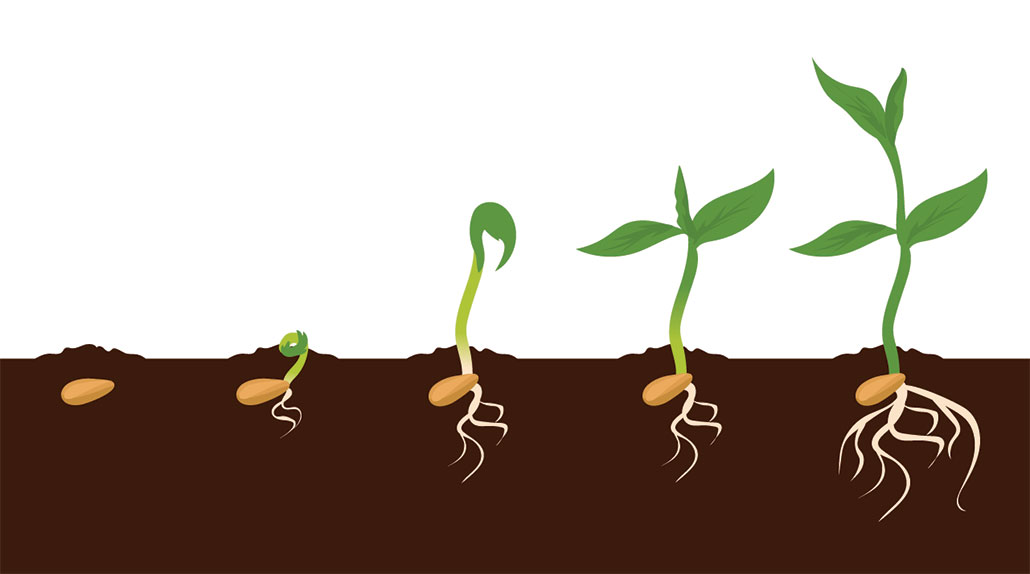
The Magic of Planting Seeds: A Beginner’s Guide to Growing Your Garden
Planting seeds is a simple yet magical act that holds the promise of new life and growth. Whether you are a seasoned gardener or a novice with a green thumb, starting your plants from seeds can be a rewarding experience that connects you with nature in a profound way.
When planting seeds, it’s essential to choose the right type of seed for your garden. Consider factors such as your local climate, soil type, and sunlight exposure to ensure the success of your plants. Whether you’re interested in flowers, vegetables, or herbs, there is a wide variety of seeds available to suit your preferences.
Preparing the soil is crucial for the healthy growth of your plants. Make sure the soil is well-drained and rich in nutrients. You can start seeds indoors in seed trays or directly sow them into the ground depending on the plant’s requirements.
Planting seeds at the correct depth and spacing is key to their successful germination and growth. Follow the instructions on the seed packet for guidance on planting depth and spacing requirements. Watering your seeds regularly but not excessively will help them establish strong roots and grow into healthy plants.
As your seeds begin to sprout and grow, remember to provide them with adequate sunlight, water, and nutrients. Monitor their progress closely and be patient as they develop into mature plants that will reward you with beautiful blooms or delicious harvests.
Planting seeds is not just about growing plants; it’s about nurturing life and creating a connection with nature that transcends time. So grab your gardening gloves, pick up some seeds, and embark on a journey of growth and discovery in your own backyard garden!
6 Essential Tips for Successful Seed Planting and Growth
- Plant seeds at the recommended depth for optimal growth.
- Ensure seeds receive adequate sunlight, water, and nutrients for healthy development.
- Label seedlings to keep track of different plant varieties.
- Protect young seedlings from pests and harsh weather conditions.
- Thin out seedlings as they grow to prevent overcrowding and competition for resources.
- Harvest mature seeds at the right time for best results.
Plant seeds at the recommended depth for optimal growth.
Planting seeds at the recommended depth is crucial for ensuring optimal growth and successful germination. The depth at which a seed is planted directly affects its access to essential nutrients, moisture, and stability in the soil. Planting too shallow may expose the seed to drying out or being washed away, while planting too deep can hinder its ability to sprout and emerge. By following the recommended planting depth guidelines provided on the seed packet or by gardening experts, you give your seeds the best chance to establish strong roots and thrive as they grow into healthy plants.
Ensure seeds receive adequate sunlight, water, and nutrients for healthy development.
To ensure the healthy development of your seeds, it is crucial to provide them with adequate sunlight, water, and nutrients. Sunlight is essential for photosynthesis, the process by which plants convert light energy into food. Water is vital for seed germination and helps transport nutrients throughout the plant. Nutrients from the soil, such as nitrogen, phosphorus, and potassium, are essential for plant growth and overall health. By ensuring that your seeds receive the right balance of sunlight, water, and nutrients, you can support their growth into strong and vibrant plants.
Label seedlings to keep track of different plant varieties.
Labeling seedlings is a crucial tip to help you keep track of different plant varieties as they grow. By clearly marking each seedling with the name of the plant variety, you can avoid confusion and ensure that you give each plant the specific care it needs. This simple practice will not only help you stay organized in your garden but also enable you to track the progress of each variety from seedling to maturity. So grab your labels and markers, and start labeling your seedlings to set yourself up for a successful and well-organized gardening experience.
Protect young seedlings from pests and harsh weather conditions.
To ensure the healthy growth of your young seedlings, it is crucial to protect them from potential threats such as pests and harsh weather conditions. Shielding your delicate plants from pests like insects and animals will prevent them from being damaged or eaten before they have a chance to thrive. Additionally, providing protection from extreme weather elements such as strong winds, heavy rain, or intense sunlight will help your seedlings establish strong roots and grow into robust plants. By taking proactive measures to safeguard your young seedlings, you are setting the stage for a successful garden full of flourishing plants.
Thin out seedlings as they grow to prevent overcrowding and competition for resources.
To ensure healthy growth and optimal development of your plants, it is essential to thin out seedlings as they grow. By removing excess seedlings, you can prevent overcrowding and competition for resources such as sunlight, water, and nutrients. Thinning out seedlings allows the remaining plants to thrive and reach their full potential, resulting in stronger, more robust growth and better overall yields in your garden.
Harvest mature seeds at the right time for best results.
To ensure the best results when planting seeds, it is crucial to harvest mature seeds at the right time. Harvesting seeds when they are fully mature ensures that they have developed properly and are more likely to germinate successfully. Waiting for seeds to reach maturity allows them to store more nutrients and energy, giving them a better chance of growing into healthy plants. By harvesting seeds at the right time, you set yourself up for a successful gardening experience with robust and thriving plants in your garden.