
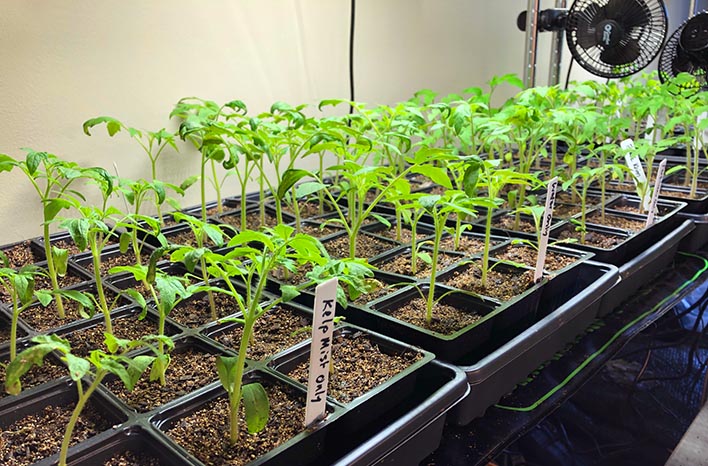
The Importance of Seedlings in Gardening
Seedlings play a crucial role in gardening, serving as the foundation for healthy and productive plants. These young plants are typically grown from seeds and nurtured until they are ready to be transplanted into the garden or larger containers.
One of the key benefits of using seedlings is their ability to jumpstart the growing process. By starting plants from seedlings rather than seeds, gardeners can save time and ensure a higher success rate. Seedlings have already passed the delicate germination stage and are more resilient to environmental factors.
Furthermore, seedlings provide a head start in terms of growth and development. They are more likely to mature into strong, robust plants that bear fruits or flowers earlier than if planted directly from seeds. This can be especially advantageous in regions with short growing seasons.
In addition, seedlings offer greater control over plant quality and variety selection. Gardeners can choose specific varieties or cultivars that suit their preferences or growing conditions. This level of customization allows for a diverse and personalized garden landscape.
When caring for seedlings, it is important to provide them with adequate sunlight, water, nutrients, and protection from pests and diseases. Proper care during the early stages of growth will set the foundation for healthy plants later on.
In conclusion, seedlings are an essential component of successful gardening practices. They offer numerous advantages in terms of efficiency, growth acceleration, variety selection, and overall plant health. By incorporating seedlings into your gardening routine, you can enhance your gardening experience and enjoy bountiful harvests or beautiful blooms.
6 Essential Tips for Growing Healthy Seedlings
- Ensure seedlings receive adequate sunlight for healthy growth.
- Water seedlings consistently, keeping the soil moist but not waterlogged.
- Provide proper ventilation to prevent damping off and other fungal diseases.
- Fertilize seedlings with a balanced fertilizer to promote strong development.
- Transplant seedlings carefully to avoid damaging delicate roots.
- Monitor for pests and diseases regularly to address any issues promptly.
Ensure seedlings receive adequate sunlight for healthy growth.
Ensuring that seedlings receive adequate sunlight is crucial for their healthy growth. Sunlight provides the energy needed for photosynthesis, which is essential for the development of strong stems and vibrant leaves. Without sufficient sunlight, seedlings may become leggy, weak, or pale in color. Placing seedlings in a location with direct or indirect sunlight for the recommended number of hours each day will promote robust growth and help them thrive as they prepare for transplanting into the garden or larger containers.
Water seedlings consistently, keeping the soil moist but not waterlogged.
To ensure the healthy growth of seedlings, it is crucial to water them consistently, maintaining soil moisture levels that are neither too dry nor waterlogged. Proper watering is essential for seedlings to establish strong root systems and thrive in their early stages of growth. By keeping the soil consistently moist but not saturated, gardeners can provide the ideal environment for seedlings to absorb nutrients and develop into robust plants. Monitoring soil moisture levels and adjusting watering practices accordingly will help promote optimal growth and overall plant health for the seedlings.
Provide proper ventilation to prevent damping off and other fungal diseases.
Proper ventilation is crucial when caring for seedlings to prevent issues such as damping off and other fungal diseases. Adequate airflow helps reduce excess moisture around the seedlings, creating an environment less favorable for fungal growth. By ensuring proper ventilation, gardeners can promote healthy plant development and minimize the risk of common fungal infections that can hinder the growth and vitality of seedlings.
Fertilize seedlings with a balanced fertilizer to promote strong development.
Fertilizing seedlings with a balanced fertilizer is a valuable tip to enhance their growth and development. By providing essential nutrients in the right proportions, such as nitrogen, phosphorus, and potassium, seedlings are better equipped to establish strong roots, develop sturdy stems, and produce healthy leaves. This practice promotes overall plant vigor and resilience, setting a solid foundation for robust growth as the seedlings mature into thriving plants.
Transplant seedlings carefully to avoid damaging delicate roots.
When transplanting seedlings, it is crucial to handle them with care to prevent damage to their delicate roots. The root system of seedlings is still developing and sensitive, so gentle and precise handling is essential to ensure their continued growth and health. By transplanting seedlings carefully, gardeners can help the plants establish themselves more effectively in their new environment, leading to stronger and more resilient growth in the long run.
Monitor for pests and diseases regularly to address any issues promptly.
Monitoring for pests and diseases regularly is a crucial tip when caring for seedlings. By staying vigilant and addressing any issues promptly, gardeners can prevent potential damage and ensure the health and vitality of their young plants. Pests and diseases can quickly spread among seedlings, causing stunted growth or even death if left unchecked. Regular inspection allows for early detection of problems, enabling timely intervention through appropriate treatments or preventive measures. By prioritizing proactive monitoring, gardeners can safeguard their seedlings and promote successful growth outcomes.