
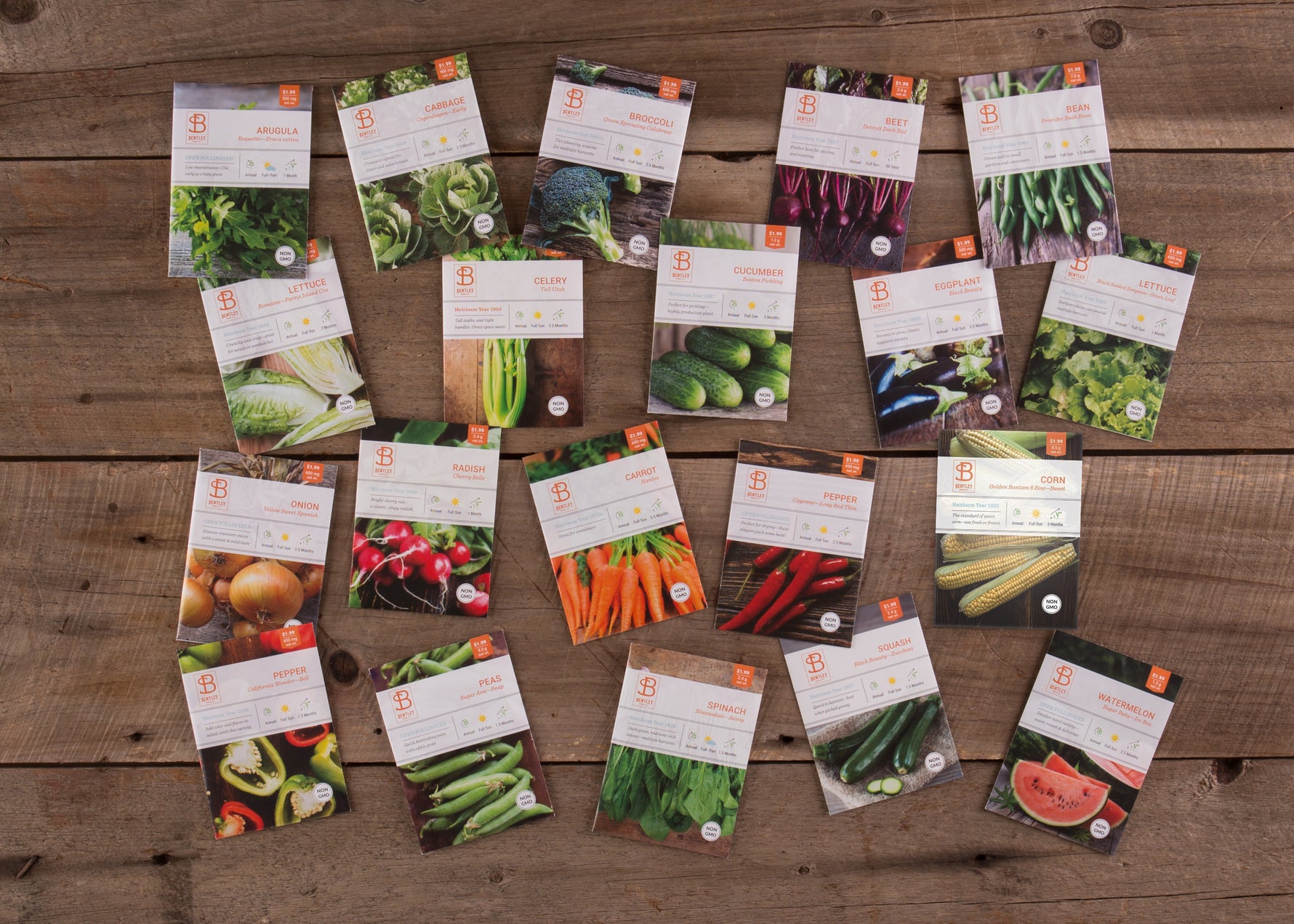
The Magic of Vegetable Seeds: A Guide to Growing Your Own Garden
Vegetable seeds hold the promise of abundance and nourishment, offering a world of possibilities for those who dare to plant them. Whether you are a seasoned gardener or a novice enthusiast, the journey of growing your own vegetables from seeds is a rewarding and magical experience.
One of the greatest joys of planting vegetable seeds is witnessing the miracle of life unfold before your eyes. From tiny, unassuming seeds emerge vibrant shoots that grow into lush plants bearing fruits and vegetables that will eventually grace your table.
When choosing vegetable seeds for your garden, consider factors such as your climate, soil type, and available space. Some vegetables thrive in cooler temperatures, while others prefer the warmth of summer. Be sure to read the seed packets for specific planting instructions to give your seeds the best chance of success.
Starting vegetable seeds indoors allows you to get a head start on the growing season and ensures that your plants have a strong foundation before being transplanted outdoors. Use seed trays or pots filled with quality potting mix, keep them warm and moist, and watch as your seeds germinate and grow into healthy seedlings.
Transplanting seedlings into your garden requires careful planning to ensure they have enough space to grow and access to sunlight, water, and nutrients. Proper care and maintenance, including regular watering, weeding, and fertilizing, will help your vegetable plants thrive and produce bountiful harvests.
From crunchy carrots to juicy tomatoes, from leafy greens to colorful bell peppers, growing vegetables from seeds opens up a world of culinary possibilities. Imagine stepping into your garden on a warm summer evening, harvesting fresh produce straight from the vine or stalk, and transforming it into delicious meals that nourish both body and soul.
So why not embark on this enchanting journey of growing your own garden from vegetable seeds? With patience, dedication, and a touch of green thumb magic, you can cultivate a thriving oasis of freshness and flavor right in your backyard. Let the humble vegetable seed be your guide on this green adventure!
Essential FAQs About Choosing and Growing Vegetable Seeds
- 1. How do I choose the right vegetable seeds for my garden?
- 2. When is the best time to plant vegetable seeds?
- 3. Do vegetable seeds need special care before planting?
- 4. How deep should I plant different types of vegetable seeds?
- 5. What are heirloom vegetable seeds, and why are they popular?
- 6. Can I save seeds from my homegrown vegetables for planting next year?
- 7. How long do vegetable seeds remain viable for planting?
- 8. What are hybrid vegetable seeds, and how do they differ from non-hybrid varieties?
- 9. Are there any organic or non-GMO options available for purchasing vegetable seeds?
1. How do I choose the right vegetable seeds for my garden?
When faced with the common question of “How do I choose the right vegetable seeds for my garden?” it’s essential to consider several key factors. Start by assessing your local climate and growing conditions to select seeds that are well-suited to thrive in your area. Take into account the space available in your garden, as some vegetables require more room to spread out than others. Additionally, consider your personal preferences and dietary needs when choosing which vegetables to grow. Reading seed packets for information on planting requirements, such as sunlight, water, and soil type, can help you make informed decisions. By carefully evaluating these factors, you can select the perfect vegetable seeds that will flourish in your garden and provide you with a bountiful harvest.
2. When is the best time to plant vegetable seeds?
The best time to plant vegetable seeds varies depending on the type of vegetable and your local climate. In general, most vegetable seeds are planted in the spring after the last frost date for your area. However, some vegetables, like peas and spinach, can be planted as soon as the ground can be worked in early spring. Others, such as tomatoes and peppers, are typically started indoors several weeks before the last frost date and then transplanted outside once the weather warms up. It’s important to consult seed packets or gardening resources specific to your region to determine the optimal planting times for different vegetables to ensure a successful growing season.
3. Do vegetable seeds need special care before planting?
When it comes to planting vegetable seeds, giving them special care before sowing can significantly impact their growth and success. Proper preparation can enhance germination rates and ensure healthy seedlings. Some vegetable seeds may benefit from pre-soaking to soften their outer shells, while others may require scarification to break dormancy. Providing the right temperature, moisture levels, and light conditions can also improve seed viability. By understanding the specific needs of each type of vegetable seed and taking the time to provide them with the care they require, gardeners can set the stage for a thriving garden full of bountiful harvests.
4. How deep should I plant different types of vegetable seeds?
When it comes to planting vegetable seeds, the depth at which you sow them can greatly impact their germination and growth. Different types of vegetable seeds have specific planting depth requirements based on their size and characteristics. As a general guideline, larger seeds like beans and peas are typically planted deeper, while smaller seeds such as lettuce and carrots are sown more shallowly. It’s important to refer to the seed packet or gardening resources for specific instructions on how deep to plant each type of vegetable seed to ensure optimal conditions for successful germination and healthy plant development.
5. What are heirloom vegetable seeds, and why are they popular?
Heirloom vegetable seeds are seeds that have been passed down through generations of gardeners, preserving their unique characteristics and flavors. These seeds are open-pollinated, meaning they are pollinated by natural means such as insects or wind, resulting in plants that produce seeds true to the parent plant. Heirloom vegetable seeds are popular for their diverse array of colors, shapes, and flavors, offering a taste of history and tradition in each harvest. Gardeners appreciate heirloom seeds for their biodiversity, resilience, and the opportunity to grow varieties that may no longer be commercially available. By choosing heirloom vegetable seeds, gardeners can connect with the past while sowing the seeds for a flavorful and sustainable future.
6. Can I save seeds from my homegrown vegetables for planting next year?
Saving seeds from your homegrown vegetables for planting next year is not only possible but also a rewarding practice that can help you create a sustainable garden. By selecting and saving seeds from your healthiest and most productive plants, you can develop varieties that are well-adapted to your specific growing conditions over time. However, it’s important to ensure that the seeds are properly harvested, dried, and stored to maintain their viability for the next planting season. Additionally, some hybrid varieties may not produce true-to-type offspring from saved seeds, so it’s recommended to save seeds from open-pollinated or heirloom vegetables for the best results.
7. How long do vegetable seeds remain viable for planting?
The viability of vegetable seeds varies depending on the type of seed and how it is stored. In general, most vegetable seeds can remain viable for planting for one to five years if stored properly in a cool, dry place away from sunlight and moisture. Some seeds, such as tomatoes and peppers, tend to have a longer shelf life, while others, like lettuce and onions, may have a shorter viability period. To ensure the best germination rates, it is recommended to check the expiration date on seed packets and conduct a simple germination test before planting older seeds.
8. What are hybrid vegetable seeds, and how do they differ from non-hybrid varieties?
Hybrid vegetable seeds are created by cross-pollinating two different parent plants to produce offspring with specific desirable traits, such as disease resistance, higher yields, or uniformity in size and shape. These traits are often sought after by commercial growers for their reliability and productivity. In contrast, non-hybrid varieties, also known as heirloom or open-pollinated seeds, are the result of natural pollination and have been passed down through generations. While hybrid seeds offer certain advantages, such as increased vigor and uniformity, non-hybrid varieties often boast unique flavors and characteristics that appeal to home gardeners looking to preserve biodiversity and heritage.
9. Are there any organic or non-GMO options available for purchasing vegetable seeds?
For those seeking organic or non-GMO options when purchasing vegetable seeds, there are a variety of reputable seed companies that specialize in providing such products. These companies offer a wide selection of organic vegetable seeds that have been grown without synthetic pesticides or fertilizers, as well as non-GMO seeds that have not been genetically modified. By choosing organic or non-GMO vegetable seeds, gardeners can support sustainable agricultural practices and cultivate their own healthy and natural produce with peace of mind.