
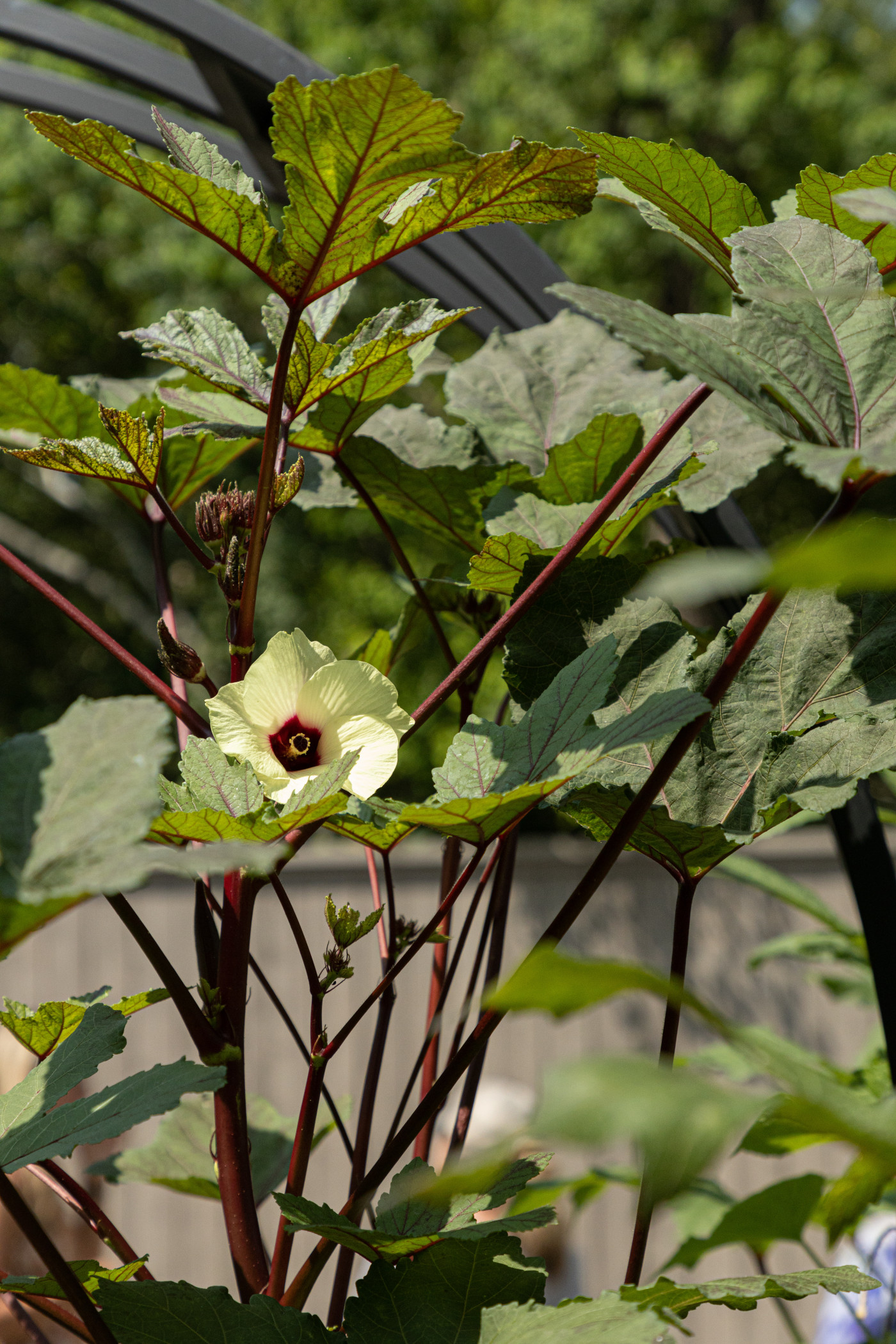
Growing Okra: Tips and Techniques
Okra, also known as lady’s fingers, is a warm-season vegetable that is popular in many cuisines around the world. If you’re looking to grow your own okra at home, here are some tips and techniques to help you get started:
Choosing the Right Location
Okra thrives in full sun, so choose a spot in your garden that receives at least 6-8 hours of sunlight per day. Make sure the soil is well-draining and rich in organic matter.
Planting Okra Seeds
Okra seeds can be directly sown into the ground once the soil has warmed up to around 70°F. Plant the seeds about 1 inch deep and space them 12-18 inches apart in rows that are 3 feet apart.
Watering and Care
Okra plants require regular watering, especially during hot and dry periods. Keep the soil consistently moist but not waterlogged. Mulching around the plants can help retain moisture and suppress weeds.
Fertilizing
Okra plants benefit from a balanced fertilizer applied at planting time and then every 4-6 weeks during the growing season. Follow the instructions on the fertilizer package for proper application rates.
Harvesting Okra
Okra pods are ready to harvest when they are about 3-4 inches long and still tender. Use a sharp knife or scissors to cut the pods from the plant to avoid damaging it. Harvest regularly to encourage more pod production.
Common Pests and Diseases
Aphids, caterpillars, and spider mites are common pests that can affect okra plants. Inspect your plants regularly and take appropriate measures to control these pests if necessary. Proper spacing, good air circulation, and avoiding overhead watering can help prevent diseases like powdery mildew.
By following these tips and techniques, you can successfully grow your own delicious okra at home. Enjoy fresh okra in your cooking and share your bountiful harvest with friends and family!
8 Essential Tips for Successfully Growing Okra at Home
- Plant okra in well-draining soil with plenty of sunlight.
- Ensure the soil pH is around 6.5 to 7.0 for optimal growth.
- Water okra regularly, especially during dry periods.
- Mulch around the plants to retain moisture and suppress weeds.
- Fertilize okra with a balanced fertilizer every 4-6 weeks.
- Harvest okra pods when they are young and tender, about 3-4 inches long.
- Check for pests like aphids and caterpillars regularly and treat them promptly.
- Rotate okra crops yearly to prevent diseases and maintain soil health.
Plant okra in well-draining soil with plenty of sunlight.
For successful growth, it is essential to plant okra in well-draining soil that receives ample sunlight. Okra thrives in full sun, so choosing a sunny spot in your garden with at least 6-8 hours of sunlight daily is crucial. The well-draining soil will prevent waterlogging and ensure that the okra plants have the right balance of moisture for optimal growth. By providing these ideal conditions, you can encourage healthy development and a bountiful harvest of delicious okra pods.
Ensure the soil pH is around 6.5 to 7.0 for optimal growth.
To ensure optimal growth of okra plants, it is crucial to maintain the soil pH within the range of 6.5 to 7.0. Okra thrives in slightly acidic to neutral soil conditions, and maintaining the right pH level helps the plants absorb essential nutrients efficiently. Testing the soil pH and making necessary adjustments can significantly impact the overall health and productivity of okra plants, leading to robust growth and abundant harvests.
Water okra regularly, especially during dry periods.
To ensure the healthy growth of okra plants, it is essential to water them regularly, particularly during dry periods. Adequate watering helps to maintain soil moisture levels, allowing the plants to thrive and produce optimal yields. Consistent watering also supports the development of tender okra pods and promotes overall plant health. By providing sufficient water to your okra plants, you can help them withstand drought conditions and encourage a successful harvest.
Mulch around the plants to retain moisture and suppress weeds.
Mulching around okra plants is a beneficial practice that helps retain moisture in the soil and suppress weed growth. By applying a layer of mulch, such as straw or shredded leaves, around the base of the plants, you can help conserve water and reduce the need for frequent watering. Additionally, the mulch acts as a barrier that inhibits weed seeds from germinating and competing with your okra plants for nutrients and sunlight. Overall, mulching is a simple yet effective way to promote healthy growth and improve the overall success of your okra crop.
Fertilize okra with a balanced fertilizer every 4-6 weeks.
To promote healthy growth and abundant yield, it is recommended to fertilize okra with a balanced fertilizer every 4-6 weeks. This regular fertilization schedule provides the essential nutrients that okra plants need to thrive, ensuring robust development and optimal fruit production. By following this simple yet effective practice, you can support the overall health of your okra plants and enhance their ability to produce quality pods throughout the growing season.
Harvest okra pods when they are young and tender, about 3-4 inches long.
To ensure the best flavor and texture, it is recommended to harvest okra pods when they are young and tender, typically around 3-4 inches in length. Picking the pods at this stage ensures they are not tough or fibrous, making them ideal for cooking. By regularly harvesting the young okra pods, you can enjoy a more flavorful and enjoyable culinary experience with this versatile vegetable.
Check for pests like aphids and caterpillars regularly and treat them promptly.
Regularly checking your okra plants for pests such as aphids and caterpillars is crucial for maintaining a healthy crop. These pests can quickly damage your plants if left unchecked, so it’s important to inspect them often. If you spot any aphids or caterpillars, take prompt action to treat them before they can cause significant harm. This proactive approach will help protect your okra plants and ensure a successful harvest.
Rotate okra crops yearly to prevent diseases and maintain soil health.
To ensure the health and productivity of your okra plants, it is recommended to rotate your okra crops yearly. By rotating the location of your okra plants each growing season, you can help prevent the buildup of diseases in the soil and maintain its overall health. This practice also helps to balance nutrient levels and reduce pest pressure, ultimately leading to stronger and more resilient okra plants year after year.