
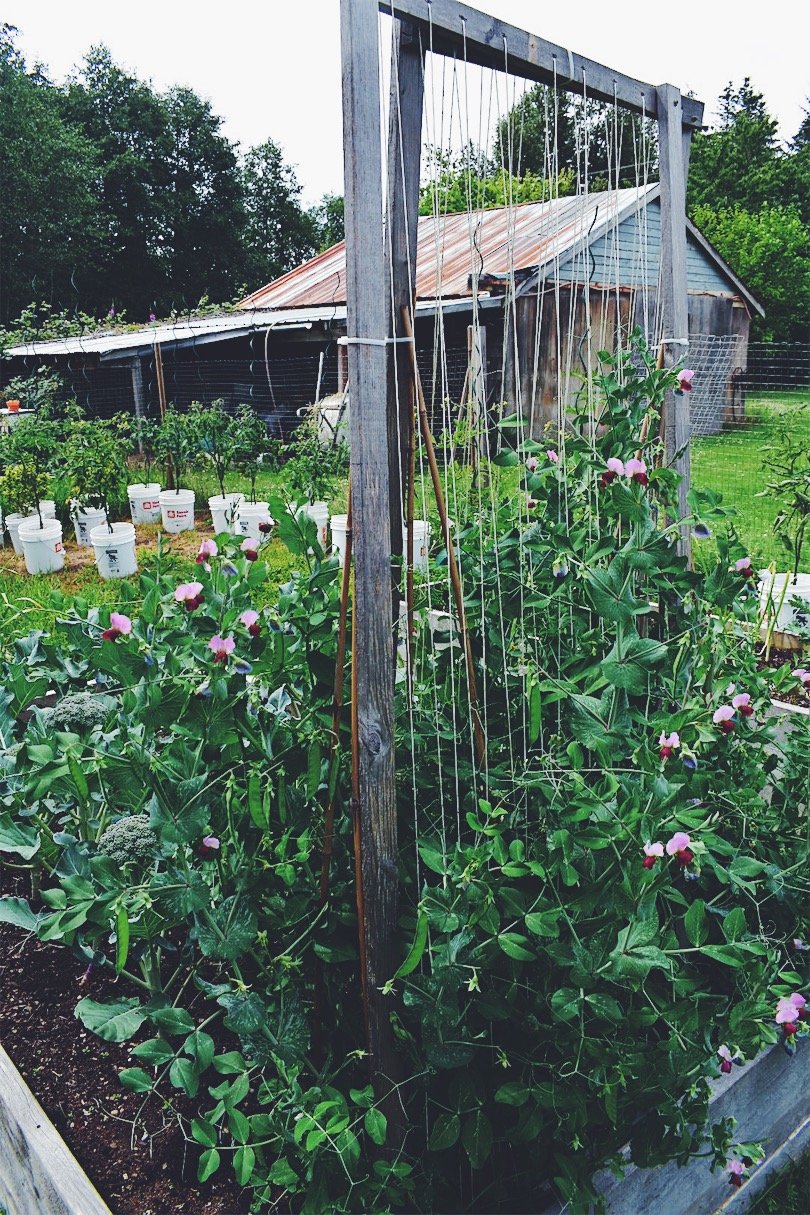
Planting Peas: A Guide to Growing Your Own Delicious Legumes
Peas are a versatile and nutritious vegetable that can be easily grown in your own garden. Whether you prefer snap peas, snow peas, or shelling peas, planting peas is a rewarding experience that can yield delicious results.
Choosing the Right Variety
Before planting peas, consider the variety that best suits your taste and garden space. Snap peas are eaten whole with the pod, snow peas have flat edible pods, and shelling peas need to be removed from the pod before eating.
Preparing the Soil
Peas thrive in well-drained soil with plenty of organic matter. Choose a sunny spot in your garden and prepare the soil by loosening it with a garden fork or tiller. Adding compost or aged manure can help improve soil fertility.
Sowing Seeds
Plant pea seeds directly into the ground in early spring as soon as the soil can be worked. Make furrows about 1 inch deep and sow seeds about 2 inches apart. Cover the seeds with soil and water gently.
Caring for Pea Plants
Water pea plants regularly, especially during dry periods. Provide support for climbing varieties by installing trellises or stakes. Mulching around plants can help retain moisture and suppress weeds.
Harvesting Peas
Peas are ready to harvest when the pods are plump and firm. Pick them regularly to encourage more production. Snap peas are best picked when young and tender, while shelling peas should be harvested when the pods are filled out.
Enjoying Your Homegrown Peas
Freshly picked peas have a sweet flavor that is unmatched by store-bought varieties. Enjoy them raw as a snack, steamed as a side dish, or added to salads and stir-fries for an extra burst of freshness.
5 Reasons to Start Planting Peas: Easy, Beneficial, and Delicious
- Peas are easy to grow, making them ideal for beginner gardeners.
- Peas enrich the soil by fixing nitrogen, benefiting other plants in your garden.
- Freshly picked peas have a sweet and flavorful taste that store-bought peas can’t match.
- Pea plants are relatively low-maintenance and require minimal care once established.
- Planting peas can be a fun and rewarding activity for the whole family to enjoy together.
Challenges of Growing Peas: Pests, Watering Needs, and Climate Sensitivity
- Peas are susceptible to pests such as aphids, caterpillars, and powdery mildew.
- Pea plants require regular watering, especially during hot weather.
- Some pea varieties may have a short harvest window, requiring frequent picking.
- Pea plants can be sensitive to over-fertilization, leading to stunted growth or poor pod development.
- Peas are cool-season crops and may not thrive in hot summer temperatures.
- Planting peas in soil with poor drainage can lead to root rot and other diseases.
Peas are easy to grow, making them ideal for beginner gardeners.
Peas are an excellent choice for beginner gardeners due to their ease of cultivation. With minimal maintenance requirements and a straightforward planting process, peas are a great introduction to gardening for those new to the hobby. Their quick germination and fast growth make them a rewarding crop that provides a sense of accomplishment for novice gardeners. Additionally, peas are known for their resilience to various growing conditions, making them a forgiving plant for those still learning the ropes of gardening.
Peas enrich the soil by fixing nitrogen, benefiting other plants in your garden.
Planting peas in your garden offers the valuable benefit of enriching the soil through nitrogen fixation. Peas have the unique ability to convert atmospheric nitrogen into a form that is easily accessible to plants, thus improving soil fertility and benefiting neighboring plants. By incorporating peas into your garden rotation, you not only enjoy a bountiful harvest of these delicious legumes but also contribute to the overall health and productivity of your garden ecosystem.
Freshly picked peas have a sweet and flavorful taste that store-bought peas can’t match.
One of the key benefits of planting peas is the unparalleled taste experience that comes with harvesting them fresh from your garden. Unlike store-bought peas that may have been sitting for days, freshly picked peas are bursting with sweetness and flavor that truly elevate any dish they are added to. The crisp texture and vibrant taste of homegrown peas make them a delightful addition to salads, stir-fries, or simply enjoyed on their own as a wholesome snack.
Pea plants are relatively low-maintenance and require minimal care once established.
Pea plants offer the advantage of being low-maintenance and requiring minimal care once they are established in the garden. Once planted and provided with the necessary support, water, and sunlight, pea plants can thrive with little intervention. This makes them an ideal choice for gardeners looking for a hassle-free vegetable to grow that still yields delicious and nutritious results.
Planting peas can be a fun and rewarding activity for the whole family to enjoy together.
Planting peas offers a wonderful opportunity for families to bond and engage in a fun and rewarding activity together. From preparing the soil to sowing the seeds and caring for the plants, each step in the process can be a shared experience that fosters teamwork and connection. Watching the pea plants grow and eventually harvesting the fresh, flavorful peas can create lasting memories and instill a sense of accomplishment in both children and adults alike.
Peas are susceptible to pests such as aphids, caterpillars, and powdery mildew.
One significant challenge in planting peas is their susceptibility to various pests and diseases. Common pests that can affect pea plants include aphids, caterpillars, and powdery mildew. Aphids can suck sap from the plants, causing damage and reducing yields. Caterpillars may feed on the foliage, leading to defoliation and weakening of the plants. Additionally, powdery mildew can develop on pea plants, affecting their overall health and productivity. Managing these pests through proper monitoring, timely interventions, and implementing preventive measures is crucial to ensure a successful pea harvest.
Pea plants require regular watering, especially during hot weather.
One downside of planting peas is the need for consistent watering, particularly in hot weather. Pea plants have shallow root systems that can quickly dry out if not adequately hydrated. This increased demand for water during periods of high temperatures or droughts can add an extra level of maintenance to growing peas, requiring gardeners to stay vigilant in ensuring the soil remains moist to support healthy plant growth and bountiful harvests.
Some pea varieties may have a short harvest window, requiring frequent picking.
One potential downside of planting certain pea varieties is the short harvest window they offer, necessitating frequent picking. This can be a challenge for gardeners who may not have the time or capacity to harvest peas regularly. Failure to pick peas promptly can result in overripe pods and decreased productivity. It requires consistent attention and effort to ensure that the peas are harvested at their peak freshness, which may be a drawback for those seeking a low-maintenance gardening experience.
Pea plants can be sensitive to over-fertilization, leading to stunted growth or poor pod development.
Over-fertilization is a common pitfall when planting peas, as pea plants are sensitive to excessive amounts of fertilizer. This can result in stunted growth and poor pod development, ultimately affecting the overall yield of the crop. It is crucial to carefully monitor and regulate the amount of fertilizer applied to pea plants to ensure healthy growth and optimal pod production. By practicing moderation and following recommended fertilization guidelines, gardeners can avoid this con and promote thriving pea plants in their garden.
Peas are cool-season crops and may not thrive in hot summer temperatures.
Peas are cool-season crops that may struggle to thrive in hot summer temperatures, making them susceptible to heat stress and reduced productivity. High temperatures can cause peas to bolt, leading to poor pod development and diminished flavor. In regions with scorching summers, gardeners may need to plan their pea planting carefully to ensure a successful harvest before the onset of extreme heat. Providing shade or planting peas in early spring or late summer when temperatures are milder can help mitigate the challenges posed by hot weather for these delicate legumes.
Planting peas in soil with poor drainage can lead to root rot and other diseases.
Planting peas in soil with poor drainage poses a significant risk of root rot and other diseases. Peas are susceptible to fungal infections when their roots are consistently exposed to excessive moisture. In poorly drained soil, water can accumulate around the roots, leading to oxygen deprivation and creating an ideal environment for pathogens to thrive. Root rot can hinder the plant’s ability to absorb nutrients and water, ultimately stunting its growth and reducing yield. To prevent such issues, it is crucial to ensure proper soil drainage when planting peas, either by amending the soil or selecting raised beds or containers with adequate drainage systems.