
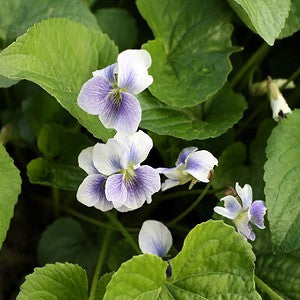
The Beauty of Sororia Flowers
Sororia, commonly known as the Virginia Bluebell, is a delightful spring-blooming flower that adds a touch of elegance to any garden. With its delicate bell-shaped blooms and vibrant blue hues, sororia is a favorite among gardeners and nature enthusiasts alike.
Native to eastern North America, sororia thrives in moist woodland areas and brightens up shady spots with its clusters of nodding flowers. The unique coloration of sororia’s blooms transitions from pinkish buds to sky-blue petals, creating a stunning display that attracts pollinators such as bees and butterflies.
One of the most enchanting features of sororia is its ability to naturalize and spread gracefully in the right conditions. As a perennial plant, sororia returns year after year, forming charming colonies that carpet the ground with its lush foliage and blossoms.
Whether planted along a woodland edge, in a shaded garden bed, or mixed with other spring-flowering bulbs, sororia adds a touch of magic to any landscape. Its low maintenance requirements make it an ideal choice for beginner gardeners looking to introduce native plants into their outdoor spaces.
As spring arrives and nature awakens from its winter slumber, consider adding the enchanting beauty of sororia to your garden. Embrace the charm of this native wildflower and enjoy the spectacle of its graceful blooms dancing in the breeze.
9 Reasons to Add Sororia: The Enchanting Blue Bloom to Your Garden
- Beautiful bell-shaped blooms
- Vibrant blue hues add elegance to the garden
- Attracts pollinators like bees and butterflies
- Native to eastern North America
- Thrives in moist woodland areas
- Naturalizes and spreads gracefully
- Perennial plant that returns year after year
- Low maintenance requirements
- Adds a touch of magic to any landscape
Challenges of Growing Sororia: Heat Sensitivity, Invasiveness, and More
- Sensitive to heat and drought, requiring consistent moisture to thrive
- May go dormant in hot summer weather, losing its foliage until cooler temperatures return
- Can be invasive in ideal growing conditions, spreading rapidly and displacing other plants
- Susceptible to powdery mildew and rust diseases, especially in humid environments
- Short blooming period compared to other spring flowers, with blooms fading quickly
Beautiful bell-shaped blooms
Sororia, also known as the Virginia Bluebell, showcases a captivating pro with its beautiful bell-shaped blooms. These delicate flowers add an elegant touch to any garden, enchanting observers with their unique shape and vibrant colors. The bell-shaped blooms of sororia create a charming display that not only attracts pollinators but also brings a sense of grace and beauty to the landscape. Gardeners and nature enthusiasts appreciate the visual appeal of these blooms, which transition from pinkish buds to stunning sky-blue petals, making sororia a standout choice for adding natural beauty to outdoor spaces.
Vibrant blue hues add elegance to the garden
The vibrant blue hues of sororia, also known as the Virginia Bluebell, bring a touch of elegance and sophistication to any garden setting. These stunning blue tones stand out among the greenery, creating a visual feast for the eyes and adding a pop of color that is both captivating and enchanting. Whether planted in clusters or scattered throughout a garden bed, the vibrant blue blooms of sororia elevate the overall aesthetic appeal of the garden, making it a truly beautiful and inviting space to enjoy.
Attracts pollinators like bees and butterflies
Sororia, also known as the Virginia Bluebell, offers the valuable benefit of attracting pollinators such as bees and butterflies to the garden. With its vibrant blue blooms and sweet nectar, sororia acts as a magnet for these essential pollinating insects, supporting biodiversity and contributing to the health of the ecosystem. By planting sororia in your garden, you not only enhance its beauty but also play a vital role in promoting pollinator populations and ensuring the pollination of plants for a thriving natural environment.
Native to eastern North America
Sororia’s status as a native plant to eastern North America is a significant advantage that highlights its adaptability to the region’s climate and soil conditions. Being indigenous to the area means that sororia has evolved over time to thrive in its natural habitat, making it well-suited for local ecosystems. Its native status also promotes biodiversity by providing essential food and habitat for native pollinators and wildlife. By incorporating sororia into gardens and landscapes, gardeners can support the conservation of native plant species and contribute to the preservation of regional biodiversity.
Thrives in moist woodland areas
Sororia, also known as the Virginia Bluebell, boasts the impressive advantage of thriving in moist woodland areas. This unique trait makes sororia an excellent choice for gardeners looking to add a touch of natural beauty to shady and damp spots in their outdoor spaces. Its ability to flourish in such environments not only enhances the aesthetic appeal of gardens but also contributes to the overall biodiversity by providing habitat and food sources for various wildlife species.
Naturalizes and spreads gracefully
Sororia’s ability to naturalize and spread gracefully is a valuable pro that adds to its appeal as a garden plant. This characteristic allows sororia to effortlessly establish itself in a garden setting, forming charming colonies that not only enhance the visual appeal of the landscape but also require minimal maintenance. Gardeners can enjoy the beauty of sororia’s blooms year after year as it self-propagates and fills empty spaces with its lush foliage and vibrant flowers, creating a captivating display that brings a touch of wild beauty to any outdoor space.
Perennial plant that returns year after year
One of the appealing aspects of sororia, also known as the Virginia Bluebell, is its status as a perennial plant that reliably returns year after year. This characteristic not only saves time and effort in replanting but also allows for the enjoyment of its beautiful blooms season after season without the need for frequent re-planting. With each passing year, sororia’s presence in the garden grows stronger, forming charming colonies that enhance the landscape with their vibrant colors and delicate beauty.
Low maintenance requirements
Sororia, also known as the Virginia Bluebell, offers the distinct advantage of low maintenance requirements, making it a popular choice for gardeners of all skill levels. With minimal care needed, sororia thrives in various conditions and is particularly well-suited for busy gardeners or those looking to create a low-effort yet beautiful garden space. Its ability to naturalize and spread gracefully means that once planted, sororia can flourish with little intervention, allowing gardeners to enjoy its charming blooms without the need for constant upkeep. This pro of sororia makes it an excellent addition to any garden seeking both beauty and ease of care.
Adds a touch of magic to any landscape
Sororia, also known as the Virginia Bluebell, possesses the remarkable ability to add a touch of magic to any landscape it graces. With its enchanting clusters of nodding, bell-shaped blooms in vibrant blue hues, sororia brings a sense of whimsy and elegance to gardens and natural areas. Whether planted along woodland edges, in shaded garden beds, or interspersed with other spring-flowering plants, sororia’s presence infuses a landscape with an ethereal beauty that captivates the senses and uplifts the spirit. Its magical allure transforms ordinary outdoor spaces into enchanting realms where nature’s beauty shines brightly.
Sensitive to heat and drought, requiring consistent moisture to thrive
Sororia, also known as the Virginia Bluebell, presents a challenge for gardeners due to its sensitivity to heat and drought. This delicate flower requires consistent moisture to thrive, making it a demanding plant to care for in regions with hot and dry climates. Gardeners must be diligent in providing adequate water and ensuring the soil remains moist to support the growth and health of sororia. Despite its requirement for constant hydration, the beauty of sororia’s vibrant blue blooms and graceful presence in the garden makes it a worthwhile addition for those willing to meet its specific needs.
May go dormant in hot summer weather, losing its foliage until cooler temperatures return
During hot summer weather, sororia, also known as the Virginia Bluebell, may enter a period of dormancy, causing it to lose its foliage until cooler temperatures prevail. This natural response to extreme heat can be a temporary setback for gardeners who enjoy the plant’s lush greenery and delicate blooms. However, with proper care and attention, sororia can bounce back once the weather cools down, regaining its vigor and beauty for the following growing season. Gardeners in warmer climates may need to provide extra shade and moisture to help sororia thrive during the summer months and ensure its continued health and vitality.
Can be invasive in ideal growing conditions, spreading rapidly and displacing other plants
In ideal growing conditions, sororia can exhibit invasive tendencies, spreading rapidly and outcompeting other plants in its vicinity. This aggressive growth habit can lead to the displacement of native flora and disrupt the balance of ecosystems. Gardeners and land managers need to be mindful of sororia’s potential invasiveness and take proactive measures to control its spread, such as regular monitoring, strategic planting locations, and timely removal of excess growth to prevent it from overpowering native vegetation.
Susceptible to powdery mildew and rust diseases, especially in humid environments
Sororia, while a beautiful and enchanting flower, does have its drawbacks. One notable con of sororia is its susceptibility to powdery mildew and rust diseases, particularly in humid environments. These fungal diseases can affect the overall health and appearance of the plant, causing powdery white or rusty orange patches to develop on the leaves and stems. Gardeners in humid regions may need to take extra precautions, such as providing good air circulation and avoiding overhead watering, to prevent these diseases from taking hold and potentially impacting the vigor of their sororia plants.
Short blooming period compared to other spring flowers, with blooms fading quickly
One drawback of sororia, also known as the Virginia Bluebell, is its relatively short blooming period compared to other spring flowers. While sororia’s bell-shaped blooms are a sight to behold, they tend to fade quickly after reaching their peak. Gardeners may find themselves enjoying the vibrant display for only a brief period before the blooms start to decline. Despite this limitation, the fleeting beauty of sororia serves as a reminder to savor the ephemeral joys of nature and appreciate each precious moment of its springtime splendor.