
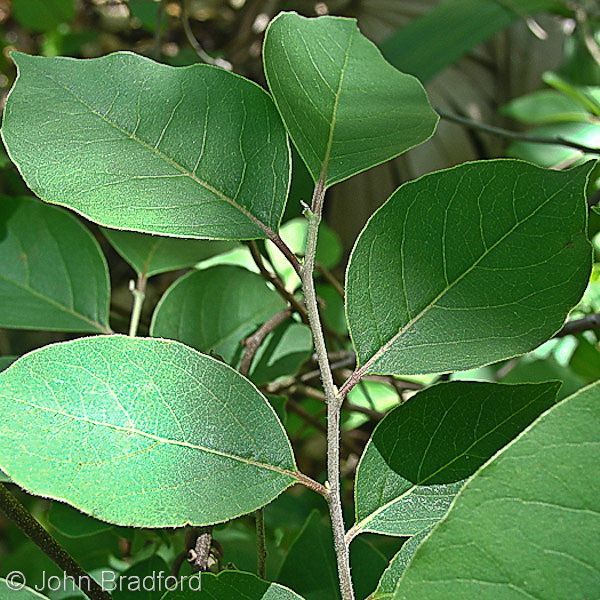
The American Persimmon Tree (Diospyros virginiana)
The Diospyros virginiana, commonly known as the American Persimmon, is a deciduous tree native to the eastern United States. It belongs to the Ebenaceae family and is prized for its delicious fruit and ornamental value.
These trees can grow up to 60 feet tall and have a distinctive dark gray bark with blocky patterns. The leaves are dark green and glossy, turning vibrant shades of yellow, orange, and red in the fall, creating a stunning display of colors.
One of the most notable features of the American Persimmon tree is its fruit. The persimmons are round or oval-shaped, with a smooth skin that ripens from green to orange or reddish-purple. When fully ripe, the fruit becomes soft and sweet, making it a favorite among wildlife and humans alike.
American Persimmon trees prefer well-drained soil and full sun exposure. They are relatively low-maintenance once established and can tolerate drought conditions. These trees are also valued for their wood, which is hard and durable, often used in woodworking projects.
In addition to their practical uses, American Persimmon trees provide important ecological benefits. They attract pollinators with their fragrant flowers and provide food for birds, squirrels, and other wildlife with their fruit. Planting these trees can help support local ecosystems and promote biodiversity.
Whether grown for its tasty fruit, beautiful foliage, or ecological benefits, the American Persimmon tree is a valuable addition to any landscape. Consider adding this native tree to your garden or property to enjoy its many virtues for years to come.
Exploring Diospyros Virginiana: Answers to Common Questions About the American Persimmon Tree
- What is Diospyros virginiana?
- Where is the American Persimmon tree native to?
- How tall can a Diospyros virginiana tree grow?
- What are the distinctive features of the American Persimmon tree?
- How do you identify ripe persimmons on a Diospyros virginiana tree?
- What are the preferred growing conditions for American Persimmon trees?
- Is Diospyros virginiana low-maintenance once established?
- What are the ecological benefits of planting American Persimmon trees?
- How is the wood of Diospyros virginiana trees used?
What is Diospyros virginiana?
Diospyros virginiana, commonly known as the American Persimmon, is a deciduous tree native to the eastern United States. It is a member of the Ebenaceae family and is renowned for its delicious fruit and ornamental qualities. The American Persimmon tree can reach heights of up to 60 feet and features dark gray bark with distinctive blocky patterns. Its leaves are dark green and glossy, transitioning to vibrant hues of yellow, orange, and red in the autumn months, creating a visually striking landscape. One of the most notable attributes of Diospyros virginiana is its round or oval-shaped fruit that ripens from green to orange or reddish-purple when mature. The soft and sweet fruit is highly sought after by wildlife and humans alike, making it a popular choice for both practical and aesthetic purposes in gardens and landscapes.
Where is the American Persimmon tree native to?
The American Persimmon tree, scientifically known as Diospyros virginiana, is native to the eastern United States. This deciduous tree thrives in the region’s climate and soil conditions, making it a familiar sight in forests, woodlands, and even home gardens across states such as Virginia, North Carolina, and Florida. The American Persimmon’s natural habitat in the eastern U.S. allows it to flourish and produce its delicious fruit while also providing essential ecological benefits to local wildlife and ecosystems.
How tall can a Diospyros virginiana tree grow?
The Diospyros virginiana, or American Persimmon tree, can grow up to 60 feet tall under optimal conditions. These deciduous trees have a moderate growth rate and can reach impressive heights, forming a canopy that provides shade and beauty in the landscape. With its dark gray bark, glossy green leaves, and vibrant fall colors, the American Persimmon tree stands out as a striking addition to gardens and natural areas.
What are the distinctive features of the American Persimmon tree?
The American Persimmon tree, scientifically known as Diospyros virginiana, boasts several distinctive features that make it a standout in the landscape. One notable characteristic is its dark gray bark with blocky patterns, adding visual interest to its trunk and branches. The leaves of the American Persimmon are dark green and glossy, transitioning to vibrant hues of yellow, orange, and red during the fall season, creating a striking display of colors. Additionally, the tree produces round or oval-shaped persimmon fruit with a smooth skin that ripens from green to orange or reddish-purple. When fully ripe, these fruits become soft and sweet, attracting wildlife and humans alike with their delectable flavor.
How do you identify ripe persimmons on a Diospyros virginiana tree?
To identify ripe persimmons on a Diospyros virginiana tree, look for fruits that have turned from green to orange or reddish-purple in color. Ripe persimmons will also feel soft to the touch and may even appear slightly wrinkled. Another indicator of ripeness is the fruit’s firmness—ripe persimmons should yield slightly when gently pressed. Additionally, you can taste a small sample of the fruit to confirm its sweetness, as ripe persimmons are known for their deliciously sweet flavor. Harvesting persimmons at their peak ripeness ensures the best taste and texture for enjoying this delectable fruit.
What are the preferred growing conditions for American Persimmon trees?
American Persimmon trees, scientifically known as Diospyros virginiana, thrive in preferred growing conditions that include well-drained soil and full sun exposure. These deciduous trees native to the eastern United States prefer soil that is not waterlogged to prevent root rot. They are relatively low-maintenance once established and can tolerate drought conditions, making them suitable for various climates. Providing ample sunlight allows American Persimmon trees to grow vigorously and produce an abundant harvest of sweet and delicious fruit. By ensuring proper soil drainage and sunlight exposure, gardeners can cultivate healthy and productive American Persimmon trees in their landscapes.
Is Diospyros virginiana low-maintenance once established?
Once established, Diospyros virginiana, commonly known as the American Persimmon tree, is considered relatively low-maintenance. These trees prefer well-drained soil and full sun exposure, but they can tolerate drought conditions once they have taken root. With their hardy nature and minimal care requirements, American Persimmon trees are a great choice for gardeners looking for a low-maintenance yet rewarding addition to their landscape.
What are the ecological benefits of planting American Persimmon trees?
Planting American Persimmon trees, also known as Diospyros virginiana, offers a range of ecological benefits. These trees attract pollinators with their fragrant flowers, supporting local biodiversity. The fruit of the American Persimmon tree provides a valuable food source for birds, squirrels, and other wildlife, helping to sustain ecosystems. By planting American Persimmon trees, individuals can contribute to the preservation of native species and promote a healthy environment for both wildlife and plant life.
How is the wood of Diospyros virginiana trees used?
The wood of Diospyros virginiana trees, commonly known as American Persimmon, is highly valued for its hardness and durability. It is often used in woodworking for crafting furniture, tool handles, golf club heads, and musical instruments. The fine-grained wood of American Persimmon trees is prized for its strength and attractive appearance, making it a popular choice for both functional and decorative items. Additionally, the wood’s natural resistance to decay and insect damage further enhances its appeal for various applications in woodworking projects.