
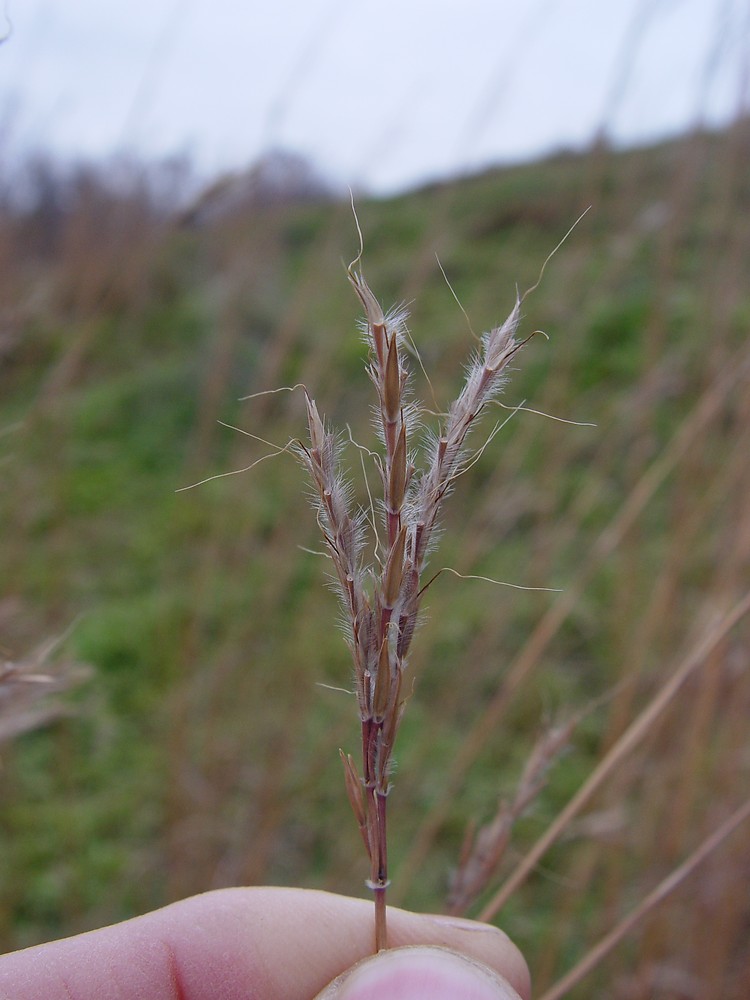
The Beauty of Andropogon Gerardii: Big Bluestem Grass
Andropogon gerardii, commonly known as Big Bluestem, is a native grass species that holds a special place in the
prairies and grasslands of North America. With its striking appearance and ecological importance, this grass has
captured the attention of gardeners, landscapers, and nature enthusiasts alike.
Characteristics of Big Bluestem Grass:
Big Bluestem is known for its tall stature, reaching heights of up to 6-8 feet. Its distinctive bluish-green stems
turn a beautiful reddish-bronze color in the fall, adding a touch of warmth to the landscape. The grass produces
fluffy seed heads that sway gracefully in the wind, creating a mesmerizing sight.
Ecological Benefits:
Big Bluestem plays a crucial role in supporting biodiversity and ecosystem health. Its deep root system helps
prevent soil erosion and improves water infiltration, making it valuable for soil conservation efforts. The grass
also provides habitat and food for various wildlife species, including birds and insects.
Cultivation Tips:
If you are considering growing Big Bluestem in your garden or landscape, here are some tips to keep in mind:
- Plant in full sun for optimal growth.
- Ensure well-drained soil to prevent waterlogging.
- Allow enough space for the grass to spread and reach its full height.
- Consider using Big Bluestem in prairie restoration projects or naturalistic landscaping designs.
In Conclusion:
Andropogon gerardii, or Big Bluestem grass, is not just a plant – it’s a symbol of resilience, beauty, and
sustainability. By incorporating this native grass into our landscapes, we can enhance biodiversity, support
wildlife, and create stunning visual displays that celebrate the natural world around us.
Understanding Big Bluestem: Key Questions and Insights
- What is Andropogon gerardii, commonly known as Big Bluestem?
- What are the characteristics of Big Bluestem grass?
- How tall does Big Bluestem grass grow?
- What color do the stems of Big Bluestem turn in the fall?
- What ecological benefits does Big Bluestem provide?
- Where is the best location to plant Big Bluestem for optimal growth?
- How can I cultivate and care for Big Bluestem in my garden or landscape?
- In what types of projects or designs is Big Bluestem commonly used?
What is Andropogon gerardii, commonly known as Big Bluestem?
Andropogon gerardii, more commonly known as Big Bluestem, is a native grass species that holds a significant presence in the prairies and grasslands of North America. This tall grass, reaching heights of up to 6-8 feet, is characterized by its bluish-green stems that transition to a striking reddish-bronze hue in the autumn months. Big Bluestem’s fluffy seed heads sway gracefully in the wind, adding a touch of elegance to the landscape. Beyond its aesthetic appeal, this grass plays a vital ecological role by supporting biodiversity, preventing soil erosion with its deep root system, and providing habitat and food for various wildlife species.
What are the characteristics of Big Bluestem grass?
Big Bluestem grass, scientifically known as Andropogon gerardii, boasts a striking set of characteristics that make it a standout in the natural landscape. This native grass species is renowned for its impressive height, reaching up to 6-8 feet tall, and its distinctive bluish-green stems that transition to a captivating reddish-bronze hue in the fall. The grass’s fluffy seed heads add an element of grace as they sway in the wind, creating a visually enchanting display. With its unique appearance and ecological significance, Big Bluestem grass continues to captivate gardeners, landscapers, and nature enthusiasts alike.
How tall does Big Bluestem grass grow?
One of the most frequently asked questions about Andropogon gerardii, commonly known as Big Bluestem grass, is regarding its height. Big Bluestem is known for its tall stature, typically reaching heights of 6 to 8 feet. This impressive height contributes to its striking appearance in prairies and grasslands, making it a standout feature in landscapes. The towering growth of Big Bluestem not only adds visual interest but also plays a vital role in supporting biodiversity and ecosystem health by providing habitat and food for various wildlife species.
What color do the stems of Big Bluestem turn in the fall?
During the fall season, the stems of Big Bluestem (Andropogon gerardii) undergo a remarkable transformation, changing from their typical bluish-green hue to a striking reddish-bronze color. This color change adds a touch of warmth and visual interest to the landscape, making Big Bluestem a standout feature in autumn gardens and natural areas.
What ecological benefits does Big Bluestem provide?
Big Bluestem, scientifically known as Andropogon gerardii, offers a range of ecological benefits that make it a valuable addition to natural landscapes. This native grass species plays a crucial role in supporting biodiversity and ecosystem health. With its deep root system, Big Bluestem helps prevent soil erosion and improves water infiltration, contributing to soil conservation efforts. Additionally, the grass provides essential habitat and food sources for various wildlife species, including birds and insects. By planting Big Bluestem, gardeners and conservationists can enhance the resilience of ecosystems, promote wildlife diversity, and create sustainable landscapes that benefit both nature and human communities.
Where is the best location to plant Big Bluestem for optimal growth?
To ensure optimal growth of Andropogon gerardii, commonly known as Big Bluestem grass, it is recommended to plant it in a location that receives full sun. Big Bluestem thrives in bright sunlight and requires at least six hours of direct sunlight per day to reach its full potential. Additionally, well-drained soil is crucial for the health and vigor of this native grass species. By selecting a sunny spot with good drainage, gardeners can provide the ideal conditions for Big Bluestem to flourish and showcase its striking beauty in the landscape.
How can I cultivate and care for Big Bluestem in my garden or landscape?
Cultivating and caring for Big Bluestem (Andropogon gerardii) in your garden or landscape requires attention to its specific needs. To successfully grow this native grass, plant it in a location that receives full sun and has well-drained soil. Ensure that the grass has enough space to spread and reach its full height, which can range from 6 to 8 feet. Regular watering is essential, especially during the establishment phase, but once established, Big Bluestem is drought-tolerant. Consider incorporating Big Bluestem into prairie restoration projects or naturalistic landscaping designs to enhance biodiversity and create a visually stunning display that celebrates the beauty of native plants.
In what types of projects or designs is Big Bluestem commonly used?
Big Bluestem, also known as Andropogon gerardii, is a versatile native grass species that is commonly used in a variety of projects and designs. This striking grass is often incorporated into prairie restoration projects, naturalistic landscapes, and rain gardens. Its tall stature and beautiful reddish-bronze color make it a popular choice for adding visual interest and texture to garden borders, meadows, and roadside plantings. Big Bluestem is also valued for its ecological benefits, making it a preferred option for sustainable landscaping initiatives aimed at supporting biodiversity and enhancing habitat for wildlife species.