
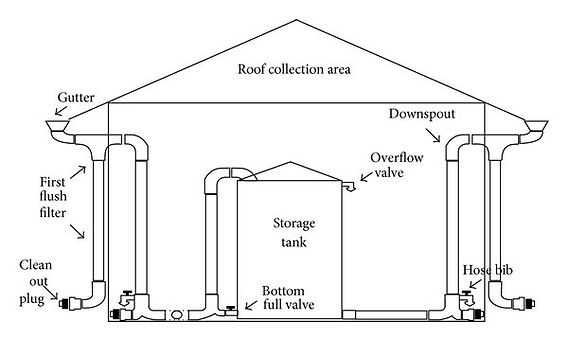
Rainwater-Saving Systems: Capture Rain and Use It in the Garden
A rainwater-saving system collects water from a roof or other surface and stores it for later use. For home gardeners, a rain barrel is often the simplest option. Larger systems can use multiple barrels or a cistern to hold more water. Capturing rain can help reduce demand on treated drinking water, provide a convenient source for watering plants, and lessen the amount of runoff flowing from your property.
How Much Water Can You Collect?
A surprising amount of rain can be gathered from a roof. One inch of rain falling on 1,000 square feet of roof can produce about 623 gallons of water before accounting for losses from splashing, leaks, and collection-system design. Even a small rain barrel can provide useful water for containers, garden beds, and newly planted shrubs between rainstorms.
Choosing a System
- Rain barrel: A compact, relatively simple choice for many homes. Barrels commonly connect to a downspout and include a screened inlet, a spigot, and an overflow outlet.
- Multiple connected barrels: Linking barrels can increase storage while using the same downspout. Make sure the base is level and strong enough to support the full weight of the water.
- Cistern: A larger tank can store more water for bigger gardens. Cisterns require more space and careful planning for a stable base, overflow, access, and maintenance.
Choose a system with a secure, tightly fitted lid and a fine screen over every opening. An opaque, food-grade container made for water storage helps limit algae growth. Never use a container that held chemicals or other hazardous materials.
Setting Up a Rain Barrel
- Select a suitable downspout. Place the barrel near a downspout serving a roof area with clean, appropriate roofing materials. Avoid collecting water from surfaces that may introduce contaminants.
- Prepare a stable base. Set the barrel on a firm, level platform. Elevating it slightly can make the spigot easier to use, but the support must be sturdy; a full barrel is very heavy.
- Connect the downspout. Use a diverter or other fitting designed for rainwater collection. Follow the product instructions so water flows into the barrel and excess water can be directed safely away.
- Plan for overflow. Direct overflow away from the house foundation, walkways, and neighboring properties, and toward an area where it can soak into the ground without causing erosion or pooling.
- Keep openings screened. Screens help keep out leaves and debris and prevent mosquitoes from reaching standing water.
Using Collected Rainwater
Rainwater is useful for watering ornamental plants, trees, shrubs, and many vegetable gardens. Apply it to the soil around plants rather than splashing it onto edible leaves or fruit. A watering can or a gravity-fed hose can make distribution easy. If using a hose, remember that a rain barrel has little water pressure unless it is elevated or connected to a suitable pump.
Collected rainwater is not treated or tested as drinking water. Do not use it for drinking, cooking, bathing, or other household uses unless it has been properly treated and tested for that purpose. Water from roofs may contain bird droppings, dust, roofing residues, or other contaminants. Use extra care with edible crops, and follow current local public-health guidance for home-grown produce.
Maintenance and Winter Care
- Check screens and inlets regularly, and remove leaves and other debris.
- Inspect the barrel, fittings, spigot, and overflow for leaks or damage.
- Empty stored water periodically if it becomes dirty or develops an odor, then clean the container according to the manufacturer’s directions.
- Before freezing weather, disconnect or drain the system and store the barrel as directed by its manufacturer. Water that freezes can damage barrels, pipes, and fittings.
- Keep the area around the barrel tidy and confirm that overflow continues to drain away from the home.
Make Rainwater Part of a Water-Wise Garden
A rainwater-saving system works best as part of a broader approach to conserving water. Add compost to improve soil structure, mulch garden beds to slow evaporation, and choose plants suited to the site’s sunlight and moisture conditions. Group plants with similar watering needs, and water deeply when necessary rather than giving frequent, shallow sprinkles.
Whether you start with one rain barrel or plan a larger cistern, capturing rain is a practical way to make better use of water that already falls on your property. A well-designed, well-maintained system can provide a handy supply for the garden while helping manage runoff around the home.
5 Tips for Collecting and Using Rainwater at Home
- Install gutters to direct rainwater into a storage tank.
- Use a leaf screen to keep debris out.
- Cover the tank to prevent mosquitoes and contamination.
- Add an overflow outlet away from your home’s foundation.
- Use stored rainwater for gardens and outdoor cleaning.
Install gutters to direct rainwater into a storage tank.
Install gutters and downspouts to channel rainwater from your roof into a covered storage tank or rain barrel. Keep gutters clear of leaves and debris, and add a screen or filter to help keep out contaminants and mosquitoes. Position the tank on a stable, level base, and direct any overflow away from your home’s foundation. This simple setup can provide a convenient supply of water for garden irrigation while reducing runoff from your property.
Use a leaf screen to keep debris out.
Install a leaf screen where rainwater enters your barrel or storage tank to catch leaves, twigs, and other debris before they collect in the system. A clean screen helps prevent clogs, reduces buildup inside the tank, and makes maintenance easier. Check it regularly, especially after storms, and clear away any debris so rainwater can continue flowing freely.
Cover the tank to prevent mosquitoes and contamination.
Cover the rainwater tank with a tight-fitting lid and fine mesh over any openings to keep out mosquitoes, leaves, and other debris. This simple step helps prevent insects from breeding in standing water and reduces contamination, keeping stored rainwater cleaner for garden use.
Add an overflow outlet away from your home’s foundation.
Add an overflow outlet to your rainwater-saving system and direct excess water away from your home’s foundation. During a heavy storm, a full barrel can release a large amount of water; routing it toward a suitable garden bed or other well-drained area can help prevent pooling, erosion, and moisture problems near the house.
Use stored rainwater for gardens and outdoor cleaning.
Use stored rainwater to water garden beds, containers, trees, and shrubs, helping reduce your use of treated tap water. It can also be used for outdoor cleaning tasks, such as rinsing garden tools, washing patio furniture, or cleaning walkways. Apply water to the soil when possible, and avoid using untreated rainwater for drinking, cooking, or rinsing produce.