
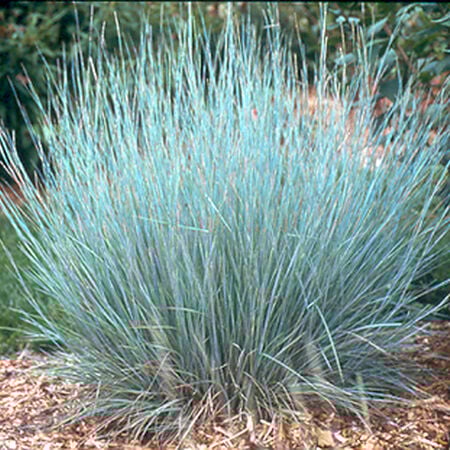
Exploring the Beauty of Little Bluestem Grass
Little Bluestem, scientifically known as Schizachyrium scoparium, is a native grass species that is celebrated for its ornamental beauty and ecological benefits. This warm-season perennial grass is a popular choice among gardeners, landscapers, and conservationists alike.
One of the key attractions of Little Bluestem is its stunning aesthetic appeal. The grass features slender stems that can reach heights of 2 to 4 feet, topped with delicate seed heads that shimmer in the sunlight. Its foliage transitions through various shades of blue-green, purple, and bronze throughout the growing season, offering a dynamic display of colors in the landscape.
Besides its visual appeal, Little Bluestem also plays a vital role in supporting local ecosystems. As a native grass species, it provides habitat and food sources for a variety of wildlife, including birds and insects. Its deep root system helps prevent soil erosion and improve soil health by increasing organic matter content.
In addition to its ecological benefits, Little Bluestem is relatively low-maintenance once established, making it an attractive option for sustainable landscaping practices. It thrives in full sun and well-drained soil conditions, requiring minimal water once it has developed a strong root system.
Whether used in prairie restoration projects, naturalistic landscapes, or ornamental gardens, Little Bluestem grass adds texture, movement, and seasonal interest to any setting. Its adaptability to different soil types and climates makes it a versatile choice for gardeners looking to enhance their outdoor spaces with a touch of native beauty.
Overall, Little Bluestem stands out as not just a visually striking plant but also as a valuable contributor to biodiversity and sustainability efforts. Consider incorporating this resilient grass species into your landscape design to enjoy its beauty while supporting local ecosystems.
8 Essential Tips for Growing and Caring for Little Bluestem in Your Garden
- Plant little bluestem in well-drained soil for optimal growth.
- Water newly planted little bluestem regularly until it is established, then it is drought-tolerant.
- Prune little bluestem in late winter or early spring to promote new growth.
- Little bluestem is a native grass that attracts wildlife like birds and butterflies.
- Consider planting little bluestem in mass plantings for a striking visual effect.
- Little bluestem turns a beautiful reddish-brown color in the fall, adding seasonal interest to your garden.
- Avoid over-fertilizing little bluestem as it thrives in low-nutrient soils.
- Divide mature clumps of little bluestem every few years to rejuvenate the plant.
Plant little bluestem in well-drained soil for optimal growth.
To ensure optimal growth of little bluestem grass, it is essential to plant it in well-drained soil. Little bluestem thrives in soil that allows excess water to drain away efficiently, preventing waterlogged conditions that can hinder root development and overall plant health. By selecting a planting site with good drainage, gardeners can provide little bluestem with the ideal growing environment, promoting strong root establishment and vigorous growth. Remember, proper soil drainage is key to unlocking the full potential of this beautiful and beneficial native grass species.
Water newly planted little bluestem regularly until it is established, then it is drought-tolerant.
To ensure the successful establishment of newly planted Little Bluestem grass, it is essential to water it regularly until it develops a strong root system. Once established, Little Bluestem exhibits impressive drought tolerance, making it a resilient choice for low-maintenance landscaping. By providing consistent watering during the initial growth phase, gardeners can help this native grass thrive and become self-sufficient in managing dry conditions.
Prune little bluestem in late winter or early spring to promote new growth.
To promote new growth and maintain the health of your little bluestem grass, it is recommended to prune it in late winter or early spring. Trimming back the grass during this time allows for rejuvenation and encourages vigorous regrowth as the growing season begins. By removing old or damaged foliage, you can help the plant allocate its resources more efficiently towards producing fresh, vibrant shoots. This practice not only promotes the overall appearance of your little bluestem but also supports its long-term vitality and resilience in your garden or landscape.
Little bluestem is a native grass that attracts wildlife like birds and butterflies.
Little bluestem, as a native grass species, serves as a magnet for wildlife such as birds and butterflies. Its presence in the landscape provides essential habitat and food sources for these creatures, making it a valuable addition to any garden or natural setting. The seeds of little bluestem are particularly attractive to birds, while the nectar-rich flowers draw in butterflies, enhancing biodiversity and creating a vibrant ecosystem. By planting little bluestem, gardeners can not only enjoy its beauty but also contribute to supporting local wildlife populations.
Consider planting little bluestem in mass plantings for a striking visual effect.
For a striking visual impact in your landscape, consider planting Little Bluestem in mass plantings. By grouping multiple clumps of this native grass species together, you can create a cohesive and dynamic display of colors and textures. The varying heights, hues, and movements of Little Bluestem plants in mass plantings can add depth and interest to your garden or outdoor space. Whether used as a focal point or as a backdrop for other plants, this approach highlights the beauty and versatility of Little Bluestem while enhancing the overall aesthetic appeal of your landscape design.
Little bluestem turns a beautiful reddish-brown color in the fall, adding seasonal interest to your garden.
Little bluestem, known for its stunning visual appeal throughout the year, undergoes a captivating transformation in the fall as its foliage turns a beautiful reddish-brown hue. This seasonal change not only adds a vibrant burst of color to your garden but also introduces a dynamic element that enhances the overall aesthetic charm of your outdoor space. Embracing the autumnal beauty of little bluestem can bring a touch of warmth and richness to your landscape, creating a picturesque scene that celebrates the changing seasons with grace and elegance.
Avoid over-fertilizing little bluestem as it thrives in low-nutrient soils.
To ensure the optimal growth and health of little bluestem grass, it is essential to avoid over-fertilizing, as this species thrives in low-nutrient soils. Little bluestem is naturally adapted to nutrient-poor environments, and excessive fertilization can lead to an imbalance that hinders its growth and overall performance. By allowing this grass to flourish in its preferred low-nutrient conditions, gardeners can help maintain its resilience and beauty while promoting a sustainable gardening approach that aligns with its natural habitat requirements.
Divide mature clumps of little bluestem every few years to rejuvenate the plant.
To maintain the vitality and vigor of little bluestem plants, it is recommended to divide mature clumps every few years. This practice helps rejuvenate the plant by promoting healthy growth, improving air circulation, and preventing overcrowding. By dividing the clumps, gardeners can also propagate new plants to expand their little bluestem collection or share with others. Overall, regular division of mature little bluestem clumps is a simple yet effective way to ensure the long-term health and beauty of these ornamental grasses in the garden.