
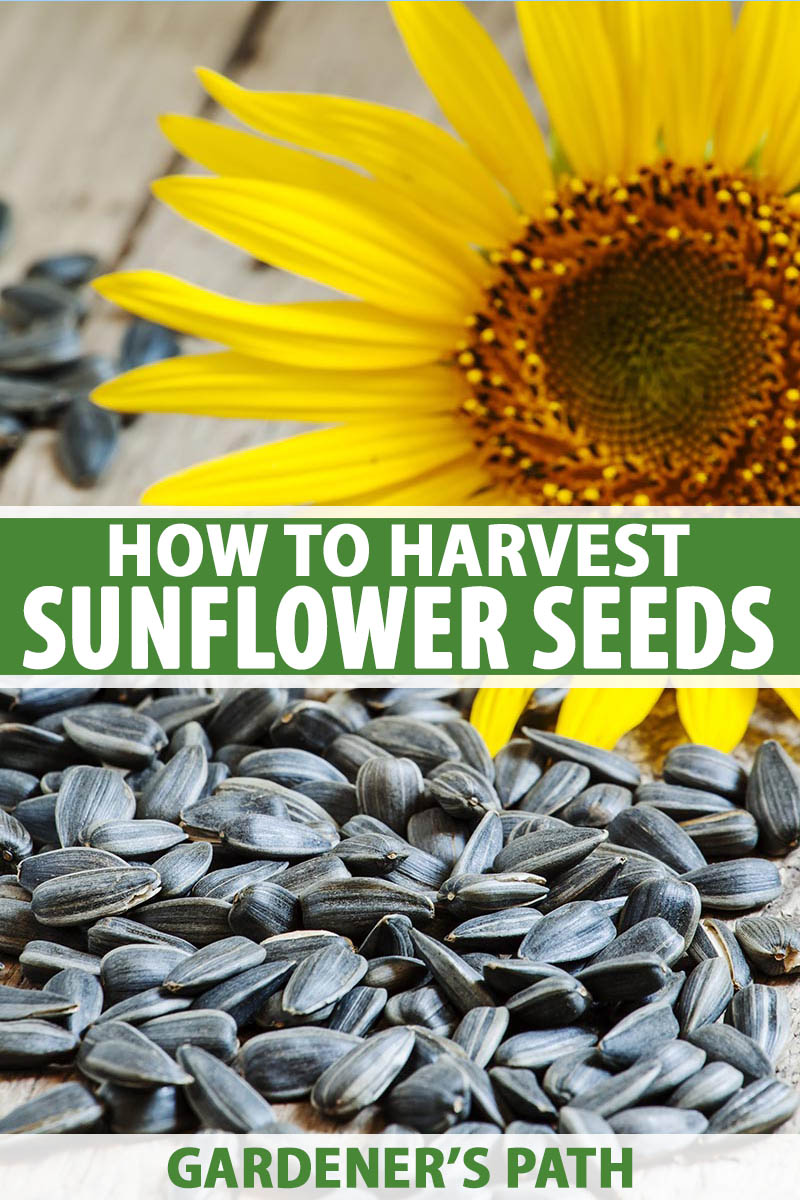
The Beauty of Sunflower Seeds for Planting
Sunflowers are not only a stunning addition to any garden, but they also offer a host of benefits for both the environment and the gardener. Planting sunflower seeds is a rewarding experience that can bring joy and beauty to your outdoor space.
Benefits of Sunflower Seeds
When you plant sunflower seeds, you are not just growing a beautiful flower; you are also attracting beneficial pollinators such as bees and butterflies to your garden. Sunflowers provide nectar and pollen, making them a valuable food source for these important insects.
In addition to supporting pollinators, sunflowers can also improve soil health. Their deep roots help break up compacted soil, allowing for better water infiltration and nutrient absorption. Sunflowers are known for their ability to extract toxins and heavy metals from the soil, making them excellent companions in phytoremediation projects.
Tips for Planting Sunflower Seeds
- Choose a sunny spot with well-drained soil for planting sunflower seeds.
- Sow the seeds directly into the ground after the last frost date in your area.
- Plant the seeds about 1 inch deep and 6 inches apart.
- Water regularly, especially during dry periods, to help the seeds germinate and grow.
- Support tall varieties with stakes or trellises to prevent them from bending or breaking in strong winds.
- Deadhead spent flowers to encourage continuous blooming throughout the season.
Choosing Sunflower Varieties
Sunflowers come in a variety of sizes, colors, and shapes, allowing you to select the perfect cultivar for your garden. Whether you prefer giant sunflowers that reach towering heights or dwarf varieties suitable for containers, there is a sunflower seed option to suit every preference.
Consider planting a mix of sunflower varieties to create a vibrant display of colors and sizes in your garden. From traditional yellow blooms to striking reds, oranges, and even bi-color combinations, sunflowers can add drama and interest to any landscape.
Planting sunflower seeds is a simple yet rewarding way to enhance your garden’s beauty while supporting local pollinators and improving soil health. With proper care and attention, these cheerful flowers will brighten your outdoor space and bring joy throughout the growing season.
7 Essential Tips for Successfully Planting Sunflower Seeds
- Choose a sunny location with well-drained soil for planting sunflower seeds.
- Plant sunflower seeds after the last frost date in your area.
- Sow sunflower seeds directly into the ground or in large pots for easy transplanting.
- Water sunflower seeds regularly, especially during dry periods.
- Protect young sunflower plants from birds and pests by covering them with netting or using scare tactics.
- Support tall sunflowers with stakes to prevent them from bending or breaking in strong winds.
- Harvest mature sunflower heads when the back of the flower turns brown and the seeds are plump.
Choose a sunny location with well-drained soil for planting sunflower seeds.
When planting sunflower seeds, it is crucial to select a sunny location with well-drained soil. Sunflowers thrive in full sunlight, so choosing a spot that receives ample sunshine throughout the day will ensure optimal growth and blooming. Additionally, well-drained soil is essential to prevent waterlogging, which can lead to root rot and other issues. By providing the right conditions of sunlight and soil drainage, you set the stage for healthy and vibrant sunflowers to flourish in your garden.
Plant sunflower seeds after the last frost date in your area.
To ensure successful growth and blooming of sunflowers, it is recommended to plant sunflower seeds after the last frost date in your area. By waiting until the threat of frost has passed, you give the seeds a better chance to germinate and thrive in optimal growing conditions. Planting sunflower seeds at the right time helps to avoid potential damage from cold temperatures, allowing the plants to establish strong roots and produce vibrant blooms throughout the growing season.
Sow sunflower seeds directly into the ground or in large pots for easy transplanting.
For easy transplanting and successful growth, it is recommended to sow sunflower seeds directly into the ground or in large pots. This method allows the seeds to establish strong root systems and adapt well to their environment before being transplanted. Whether you choose to plant them in your garden beds or in containers, starting sunflower seeds directly where they will grow ensures a smoother transition and promotes healthy development as they mature into vibrant blooms.
Water sunflower seeds regularly, especially during dry periods.
To ensure successful germination and growth of sunflower seeds, it is crucial to water them regularly, particularly during dry periods. Adequate moisture is essential for the seeds to sprout and establish healthy root systems. By providing consistent watering, you can help the sunflower seeds thrive and develop into strong, vibrant plants that will brighten your garden with their cheerful blooms.
Protect young sunflower plants from birds and pests by covering them with netting or using scare tactics.
To protect young sunflower plants from birds and pests, it is advisable to cover them with netting or employ scare tactics. By using netting, you can create a physical barrier that prevents birds and other animals from accessing the tender seedlings. Additionally, scare tactics such as hanging shiny objects or creating noise disturbances can deter pests from approaching the sunflowers. These preventive measures help safeguard the young plants during their vulnerable growth stages and ensure they have a better chance of thriving without interference from wildlife.
Support tall sunflowers with stakes to prevent them from bending or breaking in strong winds.
To ensure the stability and health of tall sunflowers in your garden, it is recommended to support them with stakes to prevent bending or breaking during strong winds. By providing this additional support, you can help the sunflowers grow upright and thrive, allowing their vibrant blooms to shine without the risk of damage from inclement weather. Staking tall sunflowers is a simple yet effective way to protect these majestic plants and ensure they reach their full potential in your outdoor space.
Harvest mature sunflower heads when the back of the flower turns brown and the seeds are plump.
To ensure a successful harvest of sunflower seeds, it is essential to wait until the back of the flower turns brown and the seeds are plump. This indicates that the sunflower head has reached maturity and is ready for harvesting. By allowing the seeds to fully develop on the plant, you can maximize their flavor and nutritional value. Harvesting at the right time ensures that you get the most out of your sunflower crop and can enjoy delicious, homegrown seeds for snacking or planting in the future.