
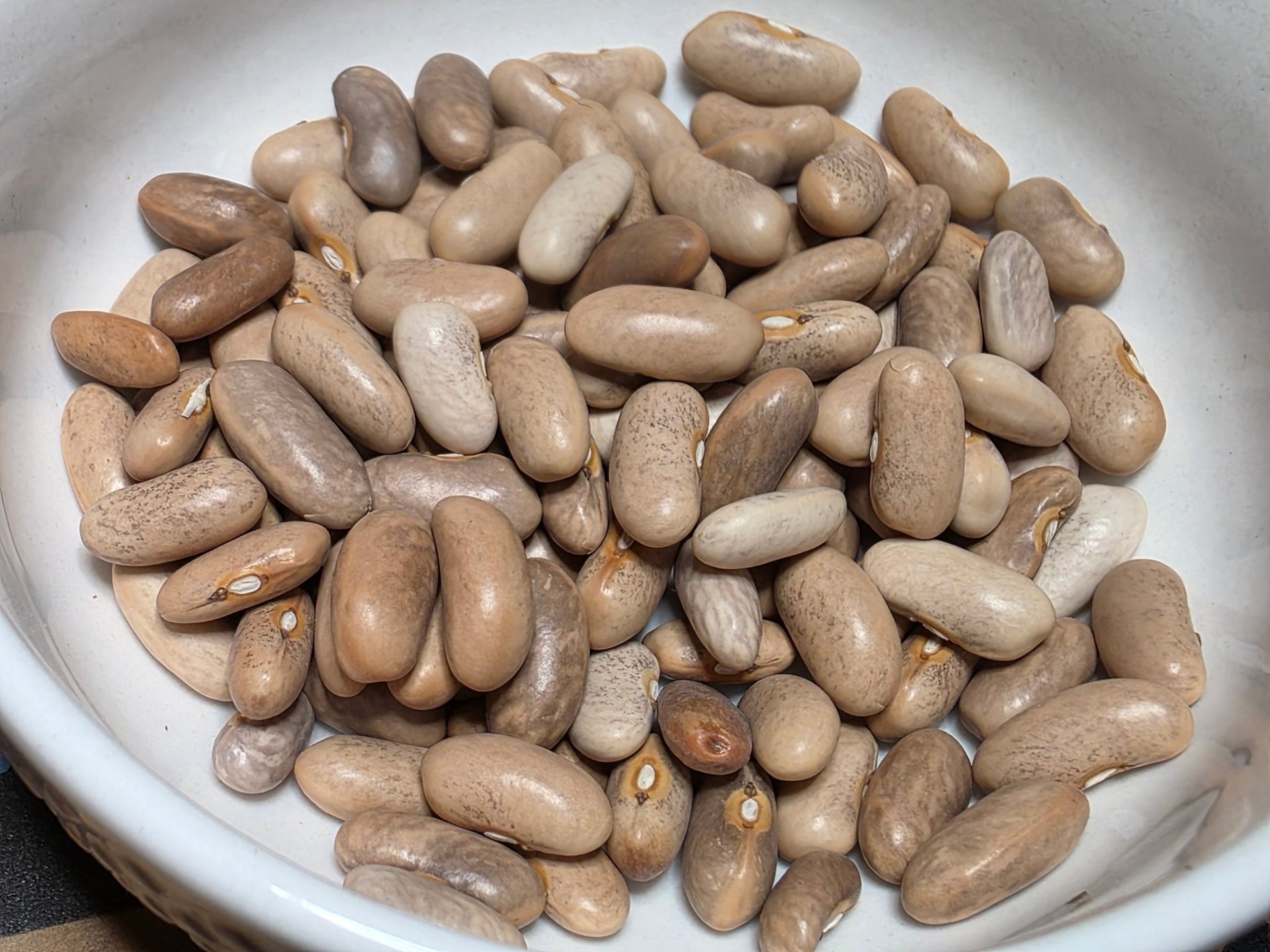
The Beauty of Bush Bean Seeds: A Gardener’s Guide
Bush bean seeds are a popular choice among gardeners for their compact growth habit and abundant harvest. These seeds produce bushy plants that do not require support structures like poles or trellises, making them ideal for small gardens or container gardening.
One of the key advantages of bush bean seeds is their quick maturity. Most varieties can be harvested in as little as 50-60 days after planting, allowing gardeners to enjoy fresh, homegrown beans in a relatively short amount of time.
Another benefit of bush bean seeds is their high yield potential. With proper care and maintenance, a single plant can produce a generous amount of beans throughout the growing season. This makes them a great choice for gardeners looking to maximize their harvest in limited space.
In addition to their practical benefits, bush bean seeds come in a variety of colors and flavors, adding visual appeal and culinary diversity to your garden. From classic green beans to vibrant purple varieties, there is a bush bean seed to suit every taste and preference.
To grow bush bean seeds successfully, ensure they are planted in well-drained soil with plenty of sunlight. Water regularly and provide adequate spacing between plants to promote good air circulation and prevent disease. With proper care, you can look forward to a bountiful harvest of delicious beans that will enhance your meals and bring joy to your gardening endeavors.
Whether you are a seasoned gardener or new to growing your own food, consider adding bush bean seeds to your garden this season. Their ease of cultivation, quick maturity, high yield potential, and culinary versatility make them a valuable addition to any garden.
Top 6 FAQs About Growing Bush Bean Seeds: Germination, Planting Tips, and Care
- 1. How long does it take for bush bean seeds to germinate?
- 2. What is the best time of year to plant bush bean seeds?
- 3. Do bush bean plants require a lot of water?
- 4. How do I prevent pests and diseases from affecting my bush bean plants?
- 5. Can bush beans be grown in containers or do they need a garden bed?
- 6. Are there any specific nutrients or fertilizers that are beneficial for growing bush bean seeds?
1. How long does it take for bush bean seeds to germinate?
Bush bean seeds typically germinate within 7 to 10 days after planting, depending on environmental conditions such as soil temperature and moisture levels. Providing the seeds with adequate warmth, moisture, and well-drained soil can help expedite the germination process. It is important to monitor the seeds regularly and ensure they are kept consistently moist but not waterlogged to support healthy germination. By following proper planting practices and providing optimal growing conditions, gardeners can expect to see their bush bean seeds sprout and begin their journey towards producing a bountiful harvest of delicious beans.
2. What is the best time of year to plant bush bean seeds?
The best time of year to plant bush bean seeds is typically after the last frost date in your area when the soil has warmed up to around 60-70°F. In most regions, this falls in the spring, making it an ideal time to sow bush bean seeds for a successful harvest. Planting too early when the soil is still cold can lead to poor germination and stunted growth, while planting too late may result in a shorter growing season and reduced yield. By timing your planting correctly and ensuring optimal growing conditions, you can maximize the potential of your bush bean seeds and enjoy a plentiful harvest of fresh, flavorful beans.
3. Do bush bean plants require a lot of water?
Bush bean plants have moderate water requirements, needing consistent moisture to thrive but not excessive watering. It is important to keep the soil evenly moist, especially during the flowering and fruiting stages, to ensure optimal growth and yield. Overwatering can lead to issues such as root rot and fungal diseases, so it is essential to strike a balance and water bush bean plants appropriately based on the weather conditions and soil moisture levels. Monitoring the soil moisture regularly and adjusting watering practices accordingly will help maintain healthy bush bean plants and promote a successful harvest.
4. How do I prevent pests and diseases from affecting my bush bean plants?
To prevent pests and diseases from affecting your bush bean plants, it is essential to practice good garden hygiene and regular monitoring. Inspect your plants regularly for any signs of pest infestation or disease, such as holes in leaves, discoloration, or wilting. To deter pests, consider using natural remedies like neem oil or insecticidal soap. Planting companion plants that repel pests, such as marigolds or basil, can also help protect your bush beans. Additionally, maintaining proper spacing between plants to promote air circulation and avoiding overwatering can reduce the risk of fungal diseases. By staying vigilant and taking proactive measures, you can help ensure a healthy and thriving crop of bush beans in your garden.
5. Can bush beans be grown in containers or do they need a garden bed?
Bush beans can absolutely be grown in containers, making them a versatile option for gardeners with limited space or those looking to grow beans on patios, balconies, or even indoors. When planting bush beans in containers, it’s important to choose a pot that is at least 8-12 inches deep to allow for proper root development. Ensure the container has drainage holes to prevent waterlogging and use a well-draining potting mix. Place the container in a sunny location and water regularly to keep the soil consistently moist but not waterlogged. With the right care and attention, bush beans can thrive in containers and provide a bountiful harvest of fresh beans for your culinary delights.
6. Are there any specific nutrients or fertilizers that are beneficial for growing bush bean seeds?
When it comes to growing bush bean seeds, providing the right nutrients and fertilizers is essential for a successful harvest. Bush beans are generally light feeders, so they do not require heavy fertilization. However, incorporating a balanced fertilizer with a higher phosphorus content can promote healthy root development and robust growth. Additionally, adding organic matter such as compost or well-rotted manure to the soil before planting can improve soil structure and fertility, enhancing the overall health of the plants. Regularly monitoring the plants for any signs of nutrient deficiencies and adjusting fertilization accordingly will help ensure that your bush bean seeds thrive and produce a bountiful crop.