
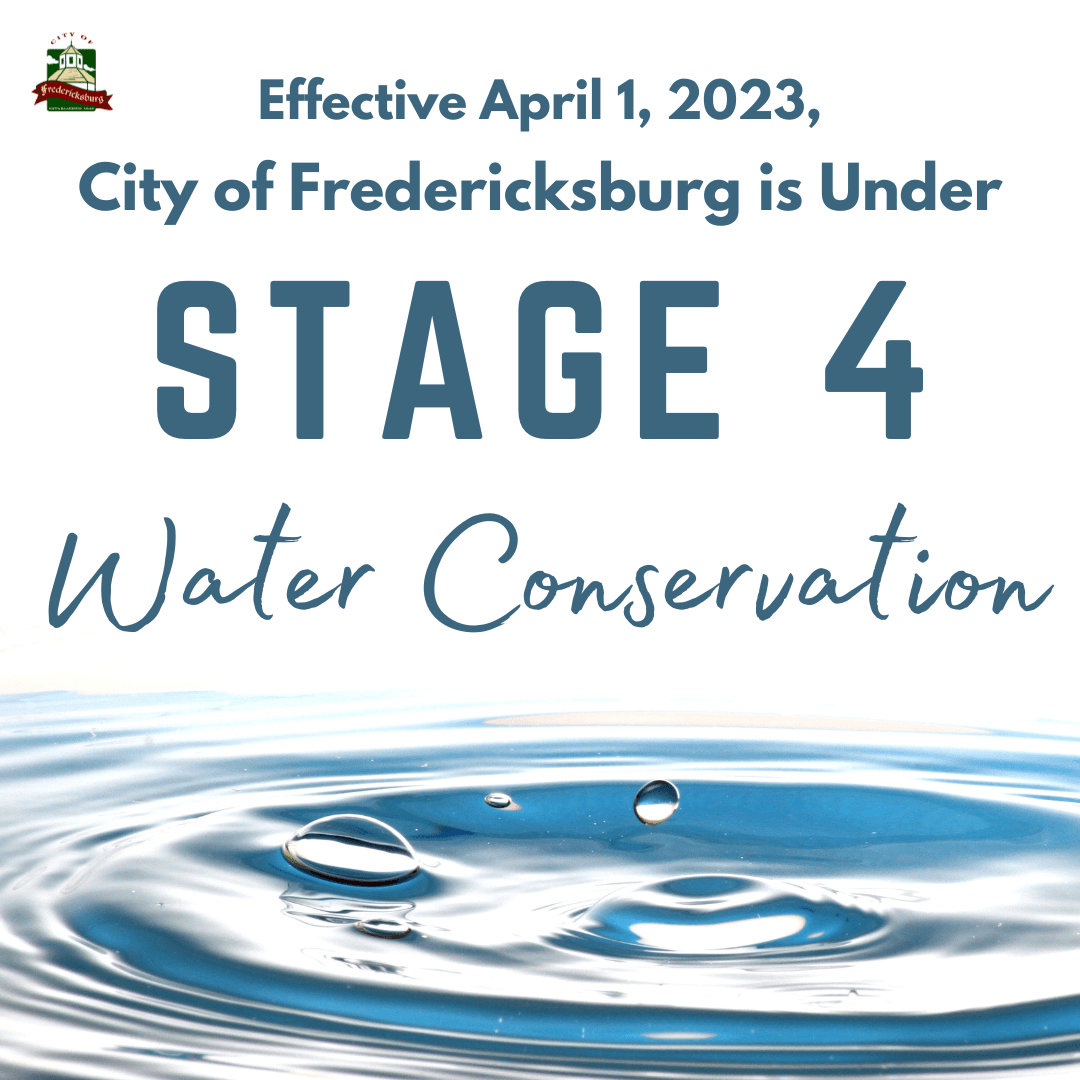
The Importance of Water Conservation
Water is a precious resource that is essential for all life on Earth. As our population grows and demands for water increase, it is more important than ever to practice water conservation to ensure a sustainable future for generations to come.
Conserving water not only helps protect our environment but also saves money and energy. By reducing water usage, we can lower our utility bills and decrease the energy required to treat and transport water.
There are many simple ways to conserve water in our daily lives. Fixing leaks, using water-efficient appliances, taking shorter showers, and watering plants in the early morning or late evening are just a few examples of how we can reduce our water consumption.
In agriculture, implementing efficient irrigation systems and crop rotation techniques can help farmers conserve water and improve crop yield. By adopting sustainable farming practices, we can protect our natural resources and ensure food security for future generations.
Water conservation is not just a personal responsibility but a global one. Climate change is affecting water availability around the world, making it crucial for communities to work together to manage and conserve this vital resource.
By raising awareness about the importance of water conservation and taking action in our own lives, we can make a positive impact on the environment and create a more sustainable future for all living beings.
Top 8 FAQs About Water Conservation: Importance, Tips, and Benefits
- What is water conservation?
- Why is water conservation important?
- How can I conserve water at home?
- What are the benefits of water conservation?
- What are some water-saving tips for gardening and landscaping?
- How does water conservation help the environment?
- What role does agriculture play in water conservation?
- Are there government programs or incentives to promote water conservation?
What is water conservation?
Water conservation refers to the practice of using water efficiently and responsibly to reduce waste and preserve this vital resource for current and future generations. It involves implementing strategies and behaviors that help minimize water usage in various sectors, such as households, agriculture, industry, and public utilities. By adopting water-saving techniques like fixing leaks, using water-efficient appliances, and practicing mindful irrigation methods, individuals and communities can contribute to the sustainable management of water resources and protect the environment. Water conservation plays a crucial role in ensuring water security, promoting energy efficiency, and mitigating the impacts of droughts and climate change on water availability.
Why is water conservation important?
Water conservation is crucial for several reasons. Firstly, water is a finite resource, and with the increasing demands of a growing population, it is essential to use water wisely to ensure an adequate supply for future generations. Secondly, conserving water helps protect the environment by reducing energy consumption associated with treating and transporting water. Additionally, water conservation can lead to cost savings for individuals and communities through lower utility bills. By practicing water conservation, we can contribute to sustainability efforts, mitigate the impacts of climate change on water resources, and preserve this vital element for all living beings on Earth.
How can I conserve water at home?
Conserving water at home is essential for both the environment and your wallet. There are several simple yet effective ways to reduce water usage in your daily routine. Start by fixing any leaks in faucets, toilets, or pipes to prevent wastage. Consider installing water-efficient fixtures such as low-flow showerheads and faucets to reduce water consumption without sacrificing performance. Take shorter showers, turn off the tap while brushing your teeth or washing dishes, and only run full loads in the dishwasher and washing machine. Additionally, collect rainwater for outdoor use and consider xeriscaping your yard with drought-resistant plants to minimize the need for watering. By incorporating these practices into your household habits, you can make a significant impact on water conservation efforts.
What are the benefits of water conservation?
Water conservation offers a multitude of benefits that extend beyond just preserving this precious resource. By practicing water conservation, individuals and communities can reduce their water bills, conserve energy used for water treatment and transportation, and contribute to the protection of aquatic ecosystems. Conserving water also helps alleviate the strain on water supplies during droughts and ensures a more sustainable future for generations to come. Additionally, by promoting water conservation, we can foster a greater sense of environmental responsibility and encourage others to adopt eco-friendly practices in their daily lives.
What are some water-saving tips for gardening and landscaping?
When it comes to gardening and landscaping, there are several water-saving tips that can help conserve this precious resource. One effective tip is to choose native plants that are well-suited to the local climate and require less water to thrive. Grouping plants with similar watering needs together can also help optimize water usage. Installing a drip irrigation system or using soaker hoses can deliver water directly to the roots of plants, reducing evaporation and runoff. Additionally, applying a layer of mulch around plants can help retain moisture in the soil and reduce the need for frequent watering. By incorporating these water-saving practices into gardening and landscaping efforts, individuals can enjoy beautiful outdoor spaces while conserving water for a sustainable future.
How does water conservation help the environment?
Water conservation plays a crucial role in protecting the environment by preserving natural ecosystems, reducing energy consumption, and minimizing water pollution. By using water more efficiently and reducing wastage, we can help maintain healthy aquatic habitats, support biodiversity, and ensure the availability of clean water for both humans and wildlife. Additionally, conserving water lowers the energy required to treat and transport water, thereby reducing greenhouse gas emissions associated with water-related activities. Overall, practicing water conservation is essential for safeguarding our environment and promoting sustainable living for future generations.
What role does agriculture play in water conservation?
Agriculture plays a crucial role in water conservation by implementing practices that optimize water usage and minimize waste. Farmers can conserve water through the adoption of efficient irrigation systems, such as drip irrigation or precision agriculture techniques, which deliver water directly to the roots of plants, reducing evaporation and runoff. Crop rotation and cover cropping are also effective methods used in agriculture to maintain soil health and moisture levels, reducing the need for excessive watering. By prioritizing sustainable farming practices and embracing innovative technologies, agriculture can contribute significantly to water conservation efforts, ensuring a more efficient use of this precious resource for current and future generations.
Are there government programs or incentives to promote water conservation?
Government programs and incentives play a crucial role in promoting water conservation efforts. Many local, state, and federal agencies offer a variety of programs to encourage individuals, businesses, and communities to reduce water usage and adopt sustainable practices. These initiatives may include rebates for water-efficient appliances, tax incentives for implementing rainwater harvesting systems, grants for upgrading irrigation systems, and educational campaigns to raise awareness about the importance of water conservation. By providing financial incentives and support, government programs help incentivize behavior change and contribute to a more water-conscious society.