
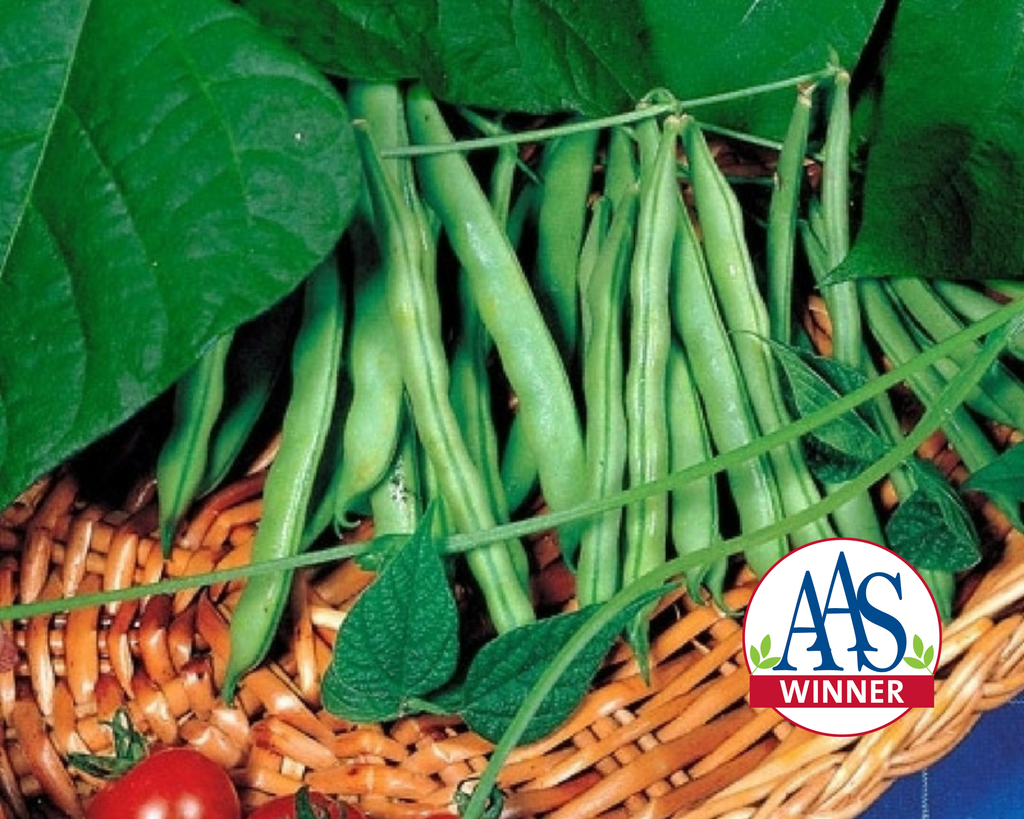
The Magic of Green Bean Seeds
Green bean seeds are a staple in many home gardens, beloved for their ease of growing and delicious flavor. These humble seeds hold the promise of vibrant green pods bursting with nutrients and flavor, making them a favorite among gardeners of all levels.
One of the great things about green bean seeds is their versatility. They can be planted directly in the ground or started indoors for an early harvest. With a relatively short growing season, green beans are a rewarding crop that can be enjoyed fresh, frozen, or canned for later use.
Green bean seeds are also known for their nutritional value. Packed with vitamins A, C, and K, as well as fiber and protein, they make a healthy addition to any diet. Whether you prefer bush beans or pole beans, there is a variety of green bean seeds to suit your garden space and growing preferences.
For those new to gardening, green bean seeds are a great place to start. They are easy to plant and maintain, making them ideal for beginners looking to grow their own food. With proper care and attention to watering and sunlight, green bean seeds will reward you with a bountiful harvest in no time.
In conclusion, green bean seeds are a wonderful addition to any garden. From their ease of growing to their nutritional benefits and delicious taste, these little seeds have a lot to offer. So why not plant some green bean seeds in your garden this season and experience the magic for yourself?
Essential FAQs for Planting and Growing Green Bean Seeds
- How deep should I plant green bean seeds?
- When is the best time to plant green bean seeds?
- Do green bean seeds need to be soaked before planting?
- How often should I water green bean seeds?
- What type of soil is best for growing green bean seeds?
- How long does it take for green bean seeds to germinate?
- Should I fertilize my green bean plants? If so, how often?
- How do I know when my green beans are ready to harvest?
How deep should I plant green bean seeds?
When planting green bean seeds, it is generally recommended to plant them about 1 to 1.5 inches deep in the soil. Planting at this depth allows the seeds to have proper access to moisture and nutrients while still being close enough to the surface for easy germination. It’s important to follow the specific instructions provided on the seed packet or from your local extension service, as planting depth can vary depending on the variety of green beans you are planting. By ensuring that your green bean seeds are planted at the correct depth, you can give them the best chance for successful germination and healthy growth.
When is the best time to plant green bean seeds?
The best time to plant green bean seeds is typically after the last frost date in your area, when the soil has warmed up to around 60-70°F. Green beans thrive in warm soil and require a minimum of 6-8 hours of sunlight per day to grow successfully. Planting green bean seeds too early in cold, damp soil can lead to poor germination and stunted growth. By waiting until the soil has warmed up and all danger of frost has passed, you give your green bean seeds the best chance of sprouting quickly and producing a bountiful harvest.
Do green bean seeds need to be soaked before planting?
One frequently asked question about green bean seeds is whether they need to be soaked before planting. While some gardeners choose to soak green bean seeds before planting to help speed up germination, it is not a strict requirement. Green bean seeds can be planted directly into the soil without soaking, as they will eventually absorb moisture from the soil and sprout on their own. Soaking can potentially help soften the seed coat and encourage quicker germination, but it is optional and not essential for successful growth of green beans. It ultimately depends on personal preference and gardening practices.
How often should I water green bean seeds?
Watering green bean seeds is a crucial aspect of their care, as they require consistent moisture to germinate and grow successfully. A general guideline for watering green bean seeds is to keep the soil evenly moist but not waterlogged. It’s recommended to water the seeds deeply immediately after planting and then continue to water them whenever the top inch of soil feels dry to the touch. Avoid overwatering, as this can lead to rot and other issues. By monitoring the soil moisture regularly and adjusting your watering schedule accordingly, you can help ensure healthy growth and a plentiful harvest of green beans.
What type of soil is best for growing green bean seeds?
When it comes to growing green bean seeds, the type of soil you use plays a crucial role in the success of your crop. Green beans thrive in well-draining soil that is rich in organic matter and has a slightly acidic to neutral pH level. A loamy soil texture is ideal for green bean seeds, as it provides good aeration and moisture retention while allowing the roots to penetrate easily. Avoid heavy clay soils that can become waterlogged and hinder root development. Adding compost or aged manure to your soil can improve its fertility and structure, creating the perfect growing environment for healthy and productive green bean plants.
How long does it take for green bean seeds to germinate?
Green bean seeds typically germinate within 7 to 10 days under optimal conditions. Factors such as soil temperature, moisture levels, and sunlight exposure can affect the germination time. Planting green bean seeds in well-draining soil with a temperature around 70°F (21°C) and providing consistent watering can help expedite the germination process. Keeping an eye on the seeds and providing proper care during this crucial period will ensure successful sprouting and healthy growth of green bean plants.
Should I fertilize my green bean plants? If so, how often?
Fertilizing green bean plants can help promote healthy growth and higher yields. It is recommended to fertilize green bean plants at planting time with a balanced fertilizer to provide essential nutrients for initial growth. Additionally, a side dressing of nitrogen-rich fertilizer can be applied when the plants begin to flower to support pod development. However, it is important not to over-fertilize as excessive nitrogen can lead to lush foliage but poor fruit production. A general guideline is to fertilize green bean plants every 3-4 weeks during the growing season, adjusting based on the plant’s appearance and growth rate.
How do I know when my green beans are ready to harvest?
Knowing when your green beans are ready to harvest is essential for enjoying them at their peak flavor and texture. The best way to determine if your green beans are ready for picking is by looking at their size and color. Typically, green beans are ready to harvest when they reach about 4-6 inches in length and have a bright green color. They should feel firm to the touch and snap easily when bent. It’s important to check your green bean plants regularly, as beans can quickly become overripe and lose their tenderness if left on the vine too long. By keeping a close eye on the size, color, and texture of your green beans, you can ensure a delicious harvest that is perfect for enjoying fresh or preserving for later use.