
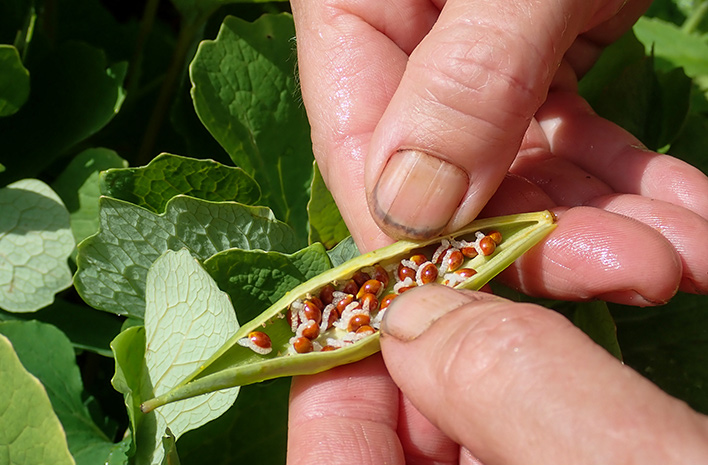
The Magic of Seeds and Plants
Seeds and plants are truly magical entities in the world of nature. From tiny seeds that hold the potential for life to lush green plants that adorn our surroundings, they play a vital role in sustaining life on Earth.
Seeds: Nature’s Tiny Miracles
Seeds are like nature’s tiny miracles, encapsulating the genetic information needed to sprout into a new plant. They come in all shapes and sizes, each uniquely adapted to its environment. Some seeds are dispersed by wind, others by animals, and some even rely on fire to crack open their hard shells.
Plants: Nature’s Green Wonders
Plants, on the other hand, are the ultimate transformers of sunlight into energy. Through the process of photosynthesis, they convert carbon dioxide into oxygen, providing us with the air we breathe. Plants also provide food, shelter, and beauty to countless organisms.
The Cycle of Life
Seeds give birth to plants, which produce more seeds in a never-ending cycle of life. This cycle sustains ecosystems around the world and ensures biodiversity thrives. Without seeds and plants, our planet would be a barren wasteland devoid of life.
Cultivating Wonder
Whether you’re a seasoned gardener or just starting out, there is something truly magical about planting a seed and watching it grow into a thriving plant. The act of nurturing life brings us closer to nature and reminds us of our interconnectedness with all living things.
So next time you hold a seed in your hand or marvel at the beauty of a blooming flower, take a moment to appreciate the magic of seeds and plants – nature’s precious gifts that sustain us all.
9 Essential Tips for Successful Seed Planting and Growth
- Choose high-quality seeds from reputable sources.
- Follow the instructions on the seed packet for planting depth and spacing.
- Provide adequate sunlight based on the plant’s requirements.
- Water seeds regularly, keeping the soil moist but not waterlogged.
- Use nutrient-rich soil to promote healthy growth.
- Protect young plants from pests and diseases.
- Consider using organic fertilizers for sustainable growth.
- Prune plants when necessary to encourage proper development.
- Stay patient and observant as you nurture your plants to maturity.
Choose high-quality seeds from reputable sources.
When embarking on your gardening journey, it is essential to select high-quality seeds from reputable sources. Opting for seeds that are known for their quality and reliability increases the likelihood of successful germination and healthy plant growth. Reputable seed sources often offer a wide variety of cultivars, ensuring that you have access to the best options for your garden. By choosing high-quality seeds, you set a strong foundation for a bountiful and thriving garden filled with vibrant plants.
Follow the instructions on the seed packet for planting depth and spacing.
To ensure the successful growth of your seeds and plants, it is essential to follow the instructions provided on the seed packet regarding planting depth and spacing. These guidelines are tailored to the specific requirements of each plant species, helping you create an optimal environment for germination and growth. By adhering to the recommended planting depth and spacing, you give your seeds the best chance to develop strong roots, access essential nutrients, and thrive in their surroundings. Paying attention to these details will set the foundation for a healthy and flourishing garden filled with vibrant plants.
Provide adequate sunlight based on the plant’s requirements.
Ensuring that your plants receive adequate sunlight is crucial for their growth and overall health. Different plants have varying sunlight requirements, so it’s essential to understand the needs of each species you are cultivating. Some plants thrive in full sun, while others prefer partial shade. By providing the right amount of sunlight based on the plant’s specific requirements, you are setting them up for success and promoting optimal development. Remember, sunlight is a primary source of energy for plants through photosynthesis, so meeting their sunlight needs is key to helping them flourish.
Water seeds regularly, keeping the soil moist but not waterlogged.
To ensure successful germination and growth, it is crucial to water seeds regularly while maintaining a delicate balance of moisture in the soil. Keeping the soil consistently moist, but not waterlogged, provides seeds with the hydration they need to sprout and develop into healthy plants. Overwatering can lead to root rot and other issues, while underwatering can hinder germination. By following this tip and monitoring soil moisture levels closely, gardeners can support the optimal conditions for seeds to thrive and flourish into vibrant plants.
Use nutrient-rich soil to promote healthy growth.
Using nutrient-rich soil is essential to promote healthy growth in seeds and plants. Nutrients such as nitrogen, phosphorus, and potassium are vital for plant development, root growth, and overall health. By providing plants with the necessary nutrients through quality soil, you can ensure they have the foundation needed to thrive. Nutrient-rich soil not only supports strong growth but also enhances plant resilience to pests and diseases. Investing in good soil preparation is a key step towards cultivating a flourishing garden full of vibrant and healthy plants.
Protect young plants from pests and diseases.
To ensure the healthy growth of young plants, it is essential to protect them from pests and diseases. Implementing preventive measures such as regular monitoring, proper watering, and maintaining good air circulation can help reduce the risk of infestations. Using natural remedies or organic pesticides can also be effective in keeping pests at bay without harming the plants or the environment. By being proactive in safeguarding young plants from potential threats, gardeners can promote strong and vibrant growth, leading to a successful and bountiful garden harvest.
Consider using organic fertilizers for sustainable growth.
When cultivating seeds and plants, it is beneficial to consider using organic fertilizers for sustainable growth. Organic fertilizers provide essential nutrients to plants while improving soil health and promoting long-term sustainability. By choosing organic options, gardeners can minimize their environmental impact, support healthy microbial activity in the soil, and reduce the risk of chemical runoff into water sources. Embracing organic fertilizers not only nurtures plant growth but also contributes to a more eco-friendly and resilient gardening practice.
Prune plants when necessary to encourage proper development.
Pruning plants when necessary is a crucial tip to ensure their proper development and growth. By selectively removing dead or overgrown branches, you can promote healthier foliage, encourage flowering, and shape the plant’s overall structure. Pruning also allows for better air circulation and light penetration, reducing the risk of disease and promoting optimal photosynthesis. Regular pruning not only benefits the plant’s health but also helps maintain its aesthetic appeal, creating a well-balanced and visually pleasing garden or landscape.
Stay patient and observant as you nurture your plants to maturity.
Staying patient and observant as you nurture your plants to maturity is key to successful gardening. Each plant has its own pace of growth and unique needs, so it’s important to pay attention to how they respond to care. By observing changes in their growth, color, and overall health, you can adjust your nurturing techniques accordingly. Patience allows you to appreciate the gradual transformation of a tiny seed into a flourishing plant, while being observant helps you provide the best environment for your plants to thrive. Remember, good things take time – so stay patient and attentive as you guide your plants towards maturity.