
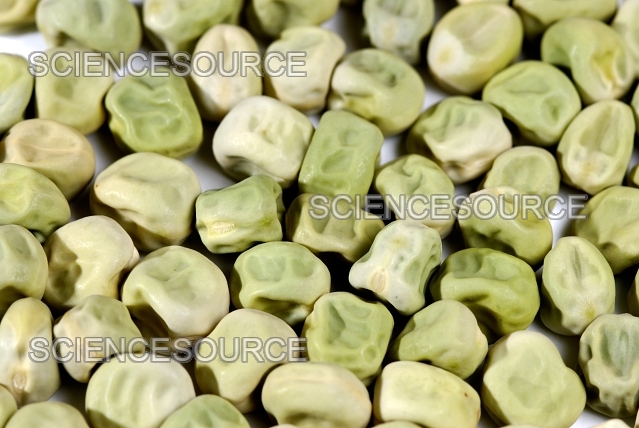
Pea Seeds: A Guide to Choosing, Planting, and Growing Peas
Peas are one of the first crops many gardeners plant in spring. Their seeds can go into the ground while the weather is still cool, and the plants can produce sweet, tender pods in a relatively short time. With a little planning, gardeners can enjoy fresh peas straight from the vine or save a portion of the harvest for later.
Types of Peas
Before buying seeds, decide how you would like to use your peas. The most common garden types are:
- Shelling peas: The edible seeds are removed from the fibrous pods. These are often called garden peas or English peas.
- Snap peas: Both the crisp pod and the peas inside are eaten. Harvest when pods are plump but still tender.
- Snow peas: The flat, tender pods are eaten before the peas inside become large. They are often used in stir-fries and salads.
Seed packets also indicate whether a variety is dwarf or tall. Dwarf varieties may need little support, while taller varieties generally benefit from a trellis or other sturdy support.
When to Plant Pea Seeds
Peas grow best in cool weather. Sow them directly outdoors as soon as the soil can be worked in spring. In Middlesex County and much of New Jersey, that is often in March or April, depending on the year and local conditions. Pea seedlings tolerate light frost, but hot weather can shorten the harvest and make pods tough or less sweet.
For a fall crop, peas may be sown in late summer, allowing enough time for the plants to mature before cold weather. Because late-summer heat can make germination difficult, keep the seedbed evenly moist and choose a variety suited to a short growing season. Check the seed packet for days to maturity and local planting guidance.
How to Sow Pea Seeds
- Choose a sunny site. Peas generally do best with at least six hours of sunlight and well-drained soil.
- Prepare the soil. Loosen the soil and remove large stones and weeds. Avoid adding excessive nitrogen fertilizer; too much can encourage leafy growth at the expense of pods.
- Sow directly. Plant seeds about 1 inch deep. Follow the spacing directions on the packet, since recommendations vary by variety and whether peas will be grown in rows or wide beds.
- Water gently. Keep the soil consistently moist, especially while seeds are germinating. Avoid waterlogged soil, which can cause seeds to rot.
- Add support if needed. Install a trellis or netting when planting tall varieties so the plants can climb as they grow.
Peas usually do not need to be started indoors. Their roots are sensitive to disturbance, so direct sowing is generally the easiest approach. Some gardeners soak pea seeds briefly before planting, but this is not necessary; if seeds are soaked, plant them promptly and avoid letting them sit in water for too long.
Germination and Care
Under suitable conditions, pea seeds often germinate in about one to two weeks. Cool soil may slow germination. Protect newly sown seeds from birds and other animals if they are being dug up, and keep the planting area free of weeds while seedlings are small.
Water regularly, aiming to keep the soil evenly moist rather than saturated. A layer of mulch can help conserve moisture and limit weeds once seedlings are established. Peas have delicate stems, so guide climbing plants gently onto their support instead of pulling or forcing them.
Harvesting Peas
Harvest timing depends on the type of pea. Pick snow peas while the pods are flat and tender. Harvest snap peas when the pods are crisp and well filled. Shelling peas are ready when the pods are plump, but before they become tough or overly mature. Check plants frequently; regular picking encourages continued production.
Use both hands when harvesting: hold the vine with one hand and remove the pod with the other. This helps prevent damage to the plant. Peas are sweetest soon after picking, so refrigerate them promptly if they will not be eaten right away.
Saving and Storing Pea Seeds
Pea seeds are also useful for saving for a future planting. To save seed, leave healthy pods on the plant until they are dry and brown. Remove the pods, shell the seeds, and allow the seeds to dry completely in a cool, well-ventilated place. Store them in a labeled, airtight container in a cool, dry location. Seeds saved from hybrid varieties may not grow true to the parent plant, so choose open-pollinated varieties if seed saving is a priority.
A Rewarding Cool-Season Crop
Peas are a satisfying choice for gardeners of all experience levels. By choosing a type suited to your kitchen, sowing seeds early in the season, and keeping plants watered and supported, you can enjoy a fresh harvest before summer heat arrives. Always follow the instructions on the seed packet, as spacing and care needs can vary among varieties.
Pea Seed FAQs: Planting Tips, Selection, and Best Practices
- What are the seeds in peas?
- What month do you plant pea seeds?
- Do I need to soak pea seeds before planting?
- How do you get pea seeds?
- What is the best pea seed to plant?
- What should you not plant next to peas?
What are the seeds in peas?
The seeds in peas are the small, round peas that develop inside the pod. Botanically, each pea is a seed: after pollination, the flower forms a pod containing seeds that can be eaten fresh, dried for cooking, or saved and planted to grow new pea plants.
What month do you plant pea seeds?
Pea seeds are usually planted in March or April in New Jersey, as soon as the soil can be worked and before warm weather arrives. Peas grow best in cool conditions and can tolerate light frost. Check your local forecast and the seed packet for variety-specific guidance; in warmer regions, plant earlier, while colder areas may need to wait until the soil thaws.
Do I need to soak pea seeds before planting?
No, pea seeds do not need to be soaked before planting. They usually germinate well when sown directly into moist, well-drained soil. Soaking them for a few hours may help speed germination, especially if the soil is dry, but avoid leaving seeds in water too long, as they can become damaged or rot. Follow the seed packet’s planting instructions, and keep the soil evenly moist while the seeds sprout.
How do you get pea seeds?
Pea seeds come from mature pea pods. You can buy seeds from garden centers, seed catalogs, or reputable online retailers, or save them from open-pollinated peas grown in your garden. To save your own, leave healthy pods on the plant until they turn brown and dry, then remove the peas and let them dry completely in a cool, well-ventilated place. Store the seeds in a labeled, airtight container in a cool, dry location until planting time.
What is the best pea seed to plant?
The best pea seed to plant depends on how you plan to use the harvest and the space available. For a classic garden pea, choose a shelling variety; for edible pods, look for snap or snow peas. In New Jersey, select a variety suited to cool-season growing and check the seed packet for days to maturity, plant height, and disease resistance. Compact varieties work well in small gardens, while taller varieties need a trellis.
What should you not plant next to peas?
Avoid planting peas next to alliums, such as onions, garlic, and shallots, because they may interfere with pea growth. Peas also tend to do poorly near potatoes, which can compete for space and nutrients and may share some diseases. Instead, plant peas alongside compatible crops such as carrots, radishes, lettuce, or spinach, and give them a trellis or enough room to grow. Companion-planting effects can vary, so use good spacing and rotate crops each year.