
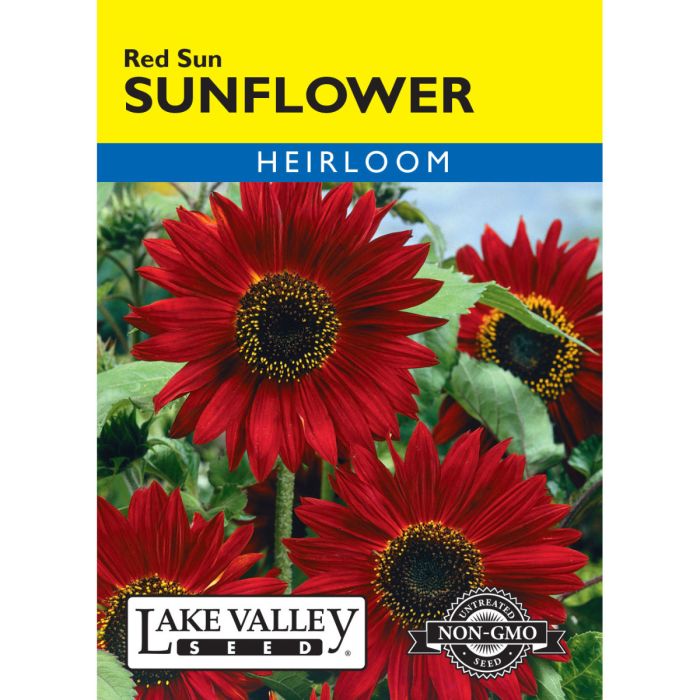
Growing Sunflower Seeds: A Guide to Cultivating Your Own Sunflowers
Sunflowers are not only beautiful to look at but also relatively easy to grow, making them a popular choice for gardeners of all levels. Whether you’re looking to brighten up your garden or harvest sunflower seeds for a tasty snack, here’s a guide to help you cultivate your own sunflowers.
Choosing the Right Variety
There are many different varieties of sunflowers to choose from, ranging in height, color, and seed size. Some popular options include the classic giant sunflowers, colorful multi-headed varieties, and dwarf sunflowers perfect for small spaces.
Planting Sunflower Seeds
Sunflowers thrive in full sun and well-drained soil. Plant your sunflower seeds directly into the ground after the last frost date in your area. Make sure to space the seeds according to the variety you’re growing, as some sunflowers require more room to grow than others.
Caring for Your Sunflowers
Water your sunflowers regularly, especially during dry spells, but be careful not to overwater as this can cause root rot. Fertilize your sunflowers with a balanced fertilizer once they have established themselves. Keep an eye out for pests like aphids and treat them promptly if necessary.
Harvesting Sunflower Seeds
As your sunflowers mature, you’ll notice their heads turning brown and drooping. This is a sign that the seeds are ready for harvest. Cut off the flower heads and hang them upside down in a warm, dry place to dry out completely. Once dried, remove the seeds by rubbing them off with your hands or using a fork.
Enjoying Your Harvest
Sunflower seeds can be enjoyed roasted as a tasty snack or used in baking and cooking. Store your harvested seeds in an airtight container in a cool, dark place for optimal freshness.
With these simple tips, you can successfully grow and harvest your own sunflower seeds right at home. Happy gardening!
5 Essential Tips for Growing Healthy Sunflowers from Seeds
- Plant sunflower seeds in well-drained soil and in a location that receives full sunlight.
- Water sunflower seeds regularly, especially during dry periods, but avoid overwatering to prevent root rot.
- Fertilize sunflower plants with a balanced fertilizer to promote healthy growth and blooming.
- Protect young sunflower seedlings from pests like birds by covering them with a fine mesh until they are established.
- Support tall sunflower stalks with stakes or trellises to prevent them from bending or breaking in strong winds.
Plant sunflower seeds in well-drained soil and in a location that receives full sunlight.
To successfully grow healthy sunflowers, it is essential to plant the seeds in well-drained soil and choose a location that receives full sunlight. Sunflowers thrive in sunny conditions, so selecting a spot with ample sunlight ensures optimal growth and vibrant blooms. Additionally, well-drained soil prevents waterlogging, which can lead to root rot and other issues. By following this tip and providing the right growing conditions, you can cultivate beautiful sunflowers in your garden.
Water sunflower seeds regularly, especially during dry periods, but avoid overwatering to prevent root rot.
To ensure successful growth of sunflower seeds, it is essential to water them regularly, particularly during dry periods, to support healthy development. However, caution must be taken to avoid overwatering, as this can lead to root rot and hinder the plant’s growth. Striking a balance in watering practices will help maintain optimal soil moisture levels for the sunflower seeds to thrive and flourish.
Fertilize sunflower plants with a balanced fertilizer to promote healthy growth and blooming.
Fertilizing sunflower plants with a balanced fertilizer is essential for promoting healthy growth and blooming. By providing the necessary nutrients, such as nitrogen, phosphorus, and potassium, sunflowers can develop strong roots, sturdy stems, and vibrant blooms. A well-fed sunflower plant is better equipped to withstand environmental stressors and produce an abundance of beautiful flowers. Remember to follow the recommended application rates to avoid over-fertilization, which can harm the plant.
Protect young sunflower seedlings from pests like birds by covering them with a fine mesh until they are established.
To protect young sunflower seedlings from pests like birds, it is advisable to cover them with a fine mesh until they are fully established. This protective barrier can prevent birds from feasting on the tender seedlings and give the plants a chance to grow strong and healthy without interference. By taking this simple precaution, you can ensure that your sunflowers have the best possible start and increase their chances of thriving in your garden.
Support tall sunflower stalks with stakes or trellises to prevent them from bending or breaking in strong winds.
To ensure the tall sunflower stalks remain upright and sturdy in the face of strong winds, it is recommended to provide support by using stakes or trellises. By securing the sunflowers to these structures, gardeners can prevent the stalks from bending or breaking under the pressure of gusty conditions. This simple yet effective method helps maintain the integrity of the sunflowers as they grow and bloom, ensuring a beautiful and resilient display in the garden.