
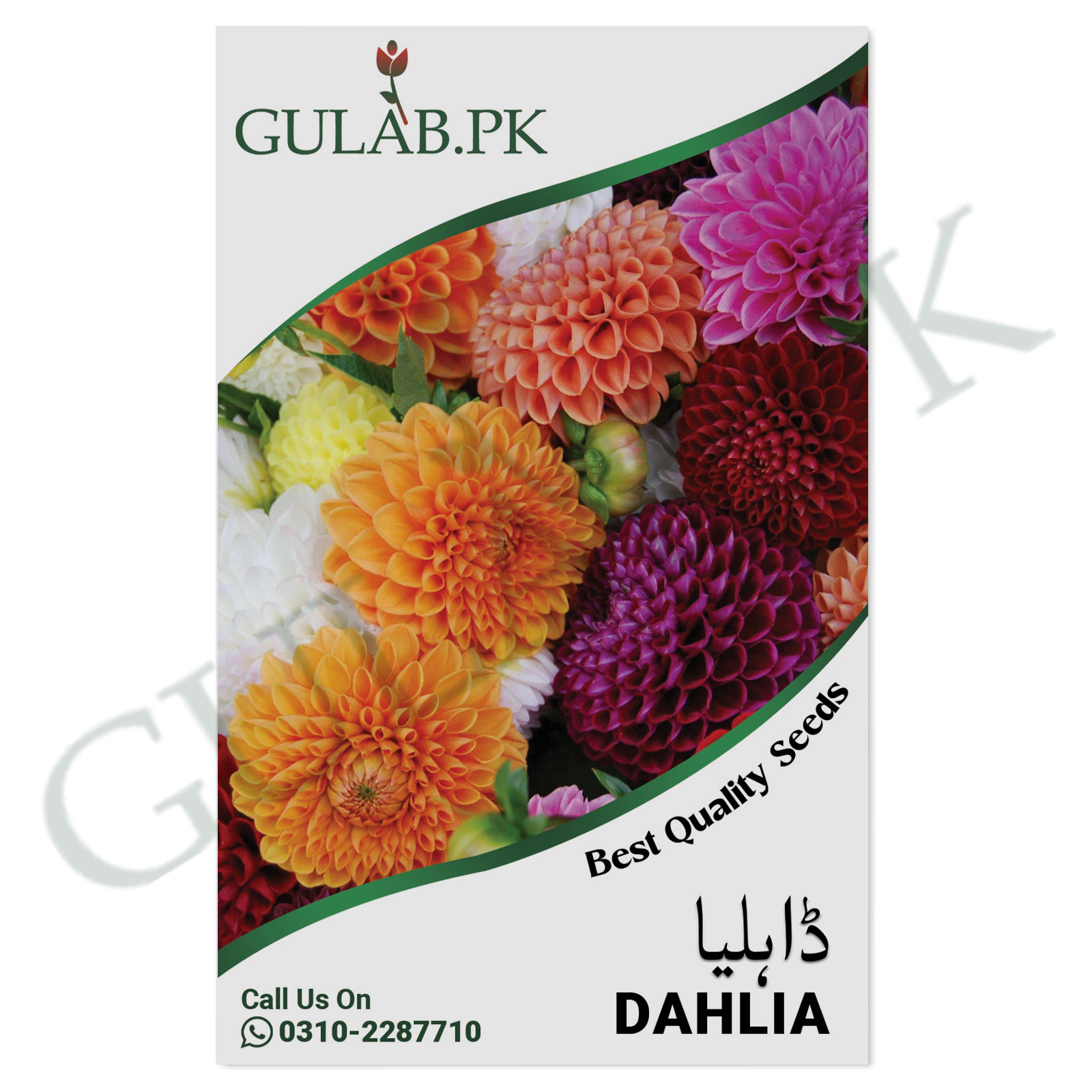
The Beauty of Dahlia Seeds: A Guide to Growing Stunning Flowers
Dahlias are beloved for their vibrant colors, diverse shapes, and stunning blooms. While many gardeners are familiar with planting dahlia tubers, growing dahlias from seeds can be a rewarding experience that allows for a wider variety of colors and forms.
When it comes to dahlia seeds, there are a few important things to keep in mind:
Choosing Dahlia Seeds
There are countless varieties of dahlia seeds available, ranging from single-flowered to double-flowered blooms in a rainbow of colors. Consider the size and shape of the flowers you prefer, as well as the height of the plants, when selecting your seeds.
Planting Dahlia Seeds
Dahlia seeds can be sown indoors in early spring or directly into the garden after the last frost. Plant the seeds in well-draining soil and keep them moist but not waterlogged. Germination typically takes 7-21 days.
Caring for Dahlia Seedlings
Once your dahlia seedlings have sprouted, provide them with plenty of sunlight and regular watering. As they grow, thin out weaker seedlings to allow the strongest plants room to flourish.
Transplanting Dahlia Seedlings
When your dahlia seedlings have developed several sets of true leaves, they can be transplanted into their final growing location. Choose a sunny spot with rich, well-draining soil for optimal growth.
Blooming Dahlias from Seed
Depending on the variety, dahlia plants grown from seed may take several months to bloom. With proper care and attention, you will be rewarded with a stunning display of colorful flowers that will brighten your garden throughout the growing season.
Whether you’re a seasoned gardener looking to expand your dahlia collection or a beginner eager to try your hand at growing these beautiful flowers, experimenting with dahlia seeds is a wonderful way to add diversity and excitement to your garden.
5 Essential Tips for Growing Dahlias from Seeds
- Dahlia seeds should be sown indoors in early spring for best results.
- Ensure that the soil is well-draining and keep it consistently moist but not waterlogged.
- Provide plenty of sunlight for dahlia seedlings to thrive.
- Once the seedlings have developed a few sets of leaves, they can be transplanted outdoors after the last frost date.
- Deadhead spent flowers to encourage continuous blooming throughout the growing season.
Dahlia seeds should be sown indoors in early spring for best results.
For best results, it is recommended to sow dahlia seeds indoors in early spring. By starting the seeds indoors, gardeners can control the growing conditions and provide a nurturing environment for the young seedlings to thrive. Indoor sowing allows for better monitoring of moisture levels, temperature, and light exposure, giving the dahlia seeds a head start before they are transplanted outdoors. This method can help ensure successful germination and healthy growth, setting the stage for a vibrant display of dahlia blooms later in the season.
Ensure that the soil is well-draining and keep it consistently moist but not waterlogged.
To successfully grow dahlia seeds, it is crucial to maintain well-draining soil and provide consistent moisture without overwatering. By ensuring that the soil allows excess water to drain away effectively, you can prevent waterlogged conditions that may lead to root rot or other issues. Keeping the soil consistently moist but not saturated will help support healthy seed germination and seedling growth, allowing your dahlia plants to thrive and bloom beautifully.
Provide plenty of sunlight for dahlia seedlings to thrive.
To ensure the healthy growth of dahlia seedlings, it is crucial to provide them with ample sunlight. Dahlia plants thrive in full sun, requiring at least 6-8 hours of direct sunlight daily to develop strong stems and vibrant blooms. Placing the seedlings in a sunny location will promote photosynthesis, encourage sturdy growth, and enhance flower production. By prioritizing sunlight exposure for your dahlia seedlings, you can set the foundation for a successful and flourishing garden display.
Once the seedlings have developed a few sets of leaves, they can be transplanted outdoors after the last frost date.
Once the dahlia seedlings have matured and developed a few sets of leaves, they are ready to be transplanted outdoors following the last frost date. Transplanting the seedlings at the right time ensures that they have a better chance of thriving in their new environment. By carefully acclimating them to outdoor conditions and providing proper care, you can help your dahlia seedlings grow into healthy plants that will eventually reward you with a beautiful display of colorful blooms in your garden.
Deadhead spent flowers to encourage continuous blooming throughout the growing season.
Deadheading spent flowers is a crucial tip for dahlia seed cultivation as it promotes continuous blooming throughout the growing season. By removing faded blooms, you redirect the plant’s energy into producing new flowers, ensuring a prolonged and vibrant display of color in your garden. Regular deadheading not only enhances the aesthetic appeal of your dahlia plants but also encourages healthy growth and prolongs the overall flowering period, allowing you to enjoy the beauty of these stunning flowers for an extended time.