
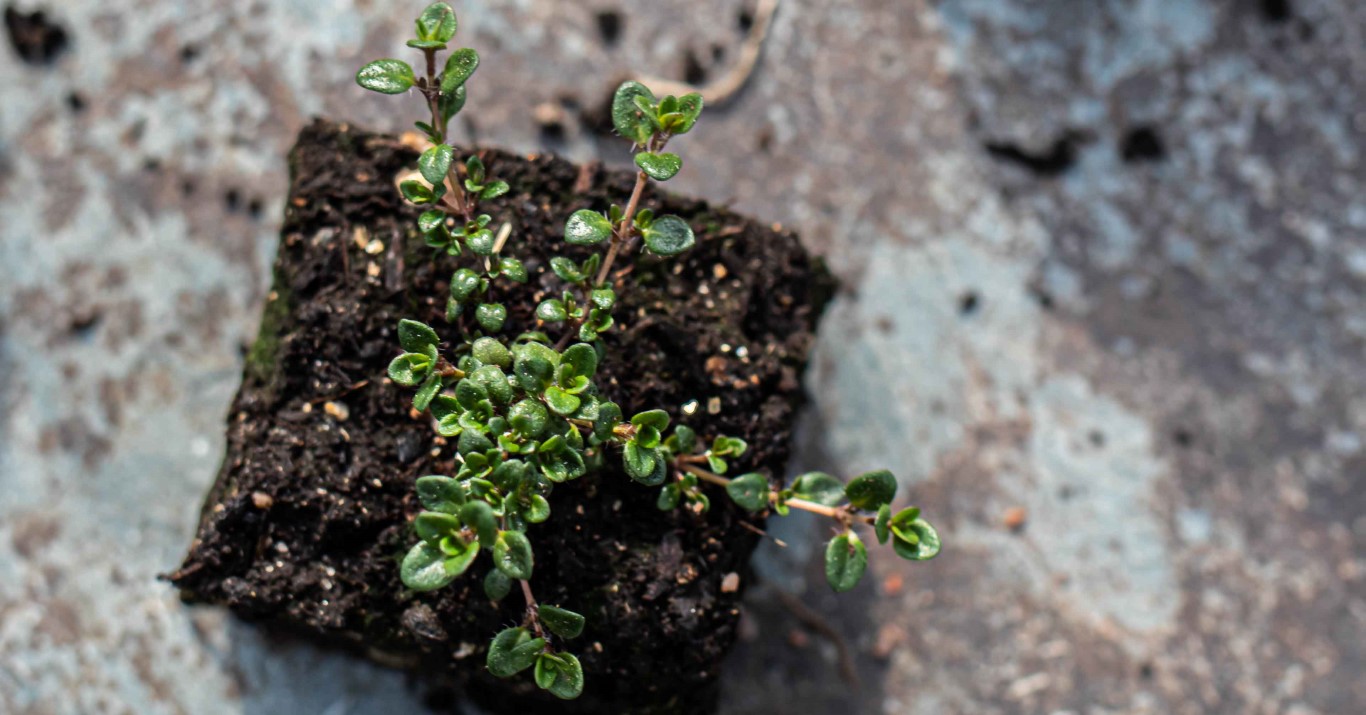
Exploring the Beauty of Creeping Thyme Seeds
Creeping thyme, also known as Thymus serpyllum, is a versatile and low-maintenance herb that can add beauty and functionality to your garden. One of the easiest ways to grow creeping thyme is from seeds, allowing you to enjoy its lovely fragrance and delicate flowers in your outdoor space.
Creeping thyme seeds are small but mighty, capable of producing lush green foliage and tiny flowers that attract pollinators like bees and butterflies. These seeds can be sown directly into well-drained soil or started indoors before transplanting them outdoors.
One of the advantages of growing creeping thyme from seeds is the variety of cultivars available. You can choose from different colors, including shades of pink, purple, white, and red. Whether you prefer a subtle ground cover or a vibrant pop of color in your garden, there is a creeping thyme variety to suit your taste.
In addition to its aesthetic appeal, creeping thyme is also valued for its culinary and medicinal uses. The leaves can be harvested for cooking or making herbal teas, adding a savory flavor with hints of lemon and mint. Creeping thyme is also known for its antimicrobial properties and has been used in traditional medicine for centuries.
When planting creeping thyme seeds, ensure they receive plenty of sunlight and well-drained soil to thrive. Regular watering and occasional pruning will help maintain healthy growth and encourage flowering throughout the growing season.
Whether you’re looking to enhance your garden with a fragrant ground cover or explore the culinary benefits of fresh herbs, consider adding creeping thyme seeds to your gardening repertoire. With proper care and attention, these tiny seeds can transform your outdoor space into a vibrant oasis of beauty and flavor.
Top 5 FAQs About Planting and Growing Creeping Thyme Seeds
- What are the downsides of creeping thyme?
- Does creeping thyme come back every year?
- Can I just throw creeping thyme seeds?
- Will creeping thyme choke out weeds?
- Can I just spread creeping thyme seeds?
What are the downsides of creeping thyme?
When considering the downsides of creeping thyme, it’s important to note that this versatile herb does have some limitations. One potential downside is its tendency to spread aggressively in ideal growing conditions, which can be a concern for gardeners seeking a more contained plant. Additionally, creeping thyme may struggle in wet or poorly drained soil, leading to issues such as root rot. Some gardeners also find that certain varieties of creeping thyme are less tolerant of foot traffic or heavy use compared to other ground cover options. Despite these considerations, with proper care and maintenance, the benefits of growing creeping thyme often outweigh any potential drawbacks, making it a popular choice for adding beauty and functionality to gardens and landscapes.
Does creeping thyme come back every year?
Creeping thyme is a perennial herbaceous plant, meaning it does come back every year under the right growing conditions. Once established, creeping thyme will return each spring, spreading and filling in the designated area with its lush foliage and delicate flowers. This low-maintenance herb is known for its resilience and ability to thrive in various climates, making it a popular choice for gardeners seeking a reliable ground cover that returns year after year. With proper care and attention to soil quality, sunlight, and watering needs, creeping thyme can be a beautiful perennial addition to your garden landscape.
Can I just throw creeping thyme seeds?
Throwing creeping thyme seeds may seem like a simple and effortless way to plant them, but for optimal growth and success, it is recommended to follow proper planting techniques. While creeping thyme seeds are small and lightweight, they still require specific conditions to germinate and establish healthy plants. To ensure the best results, it is advisable to sow the seeds in well-prepared soil, provide adequate moisture, sunlight, and protection from harsh weather conditions. By taking the time to plant creeping thyme seeds thoughtfully and following proper care instructions, you can increase the likelihood of a successful and flourishing garden filled with the beauty of this versatile herb.
Will creeping thyme choke out weeds?
Creeping thyme is known for its dense growth habit, which can help suppress weed growth in garden beds and between paving stones. While creeping thyme can provide some level of weed control due to its mat-forming nature and ability to crowd out unwanted plants, it may not completely choke out all weeds on its own. Regular weeding and maintenance may still be necessary to keep your garden free of invasive plants. Incorporating a layer of mulch around creeping thyme plants can further aid in weed suppression and moisture retention, creating a healthier environment for your garden to thrive.
Can I just spread creeping thyme seeds?
When it comes to planting creeping thyme seeds, the method of spreading them can vary depending on your gardening goals and the specific conditions of your outdoor space. While some gardeners choose to scatter creeping thyme seeds directly onto well-prepared soil and lightly press them in, others prefer to start the seeds indoors before transplanting them outdoors. Both methods can be successful, but it’s important to ensure that the seeds have good soil contact, receive adequate sunlight, and are kept moist during the germination process. By following proper planting techniques and providing the necessary care, you can enjoy the beauty and benefits of creeping thyme in your garden.