
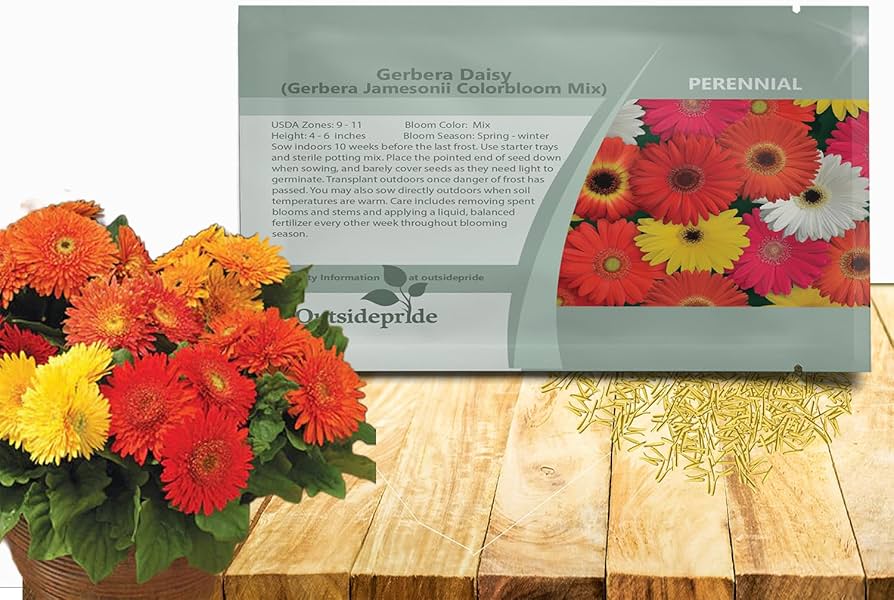
The Allure of Gerbera Daisy Seeds
Gerbera daisies are beloved for their vibrant colors and cheerful appearance, making them a popular choice for gardens, bouquets, and floral arrangements. These beautiful flowers can be easily grown from seeds, offering gardeners the opportunity to cultivate their own stunning blooms.
Growing Gerbera Daisy Seeds
To grow gerbera daisies from seeds, start by selecting a well-draining potting mix and planting the seeds at a shallow depth. Keep the soil consistently moist but not waterlogged, as gerbera daisy seeds require adequate moisture to germinate.
Germination typically takes around 10-14 days, after which you can expect to see the first seedlings emerge. As the seedlings grow, provide them with ample sunlight and maintain a consistent watering schedule to encourage healthy growth.
Caring for Gerbera Daisy Seedlings
Once your gerbera daisy seedlings have established themselves, it’s important to continue providing them with proper care. Ensure they receive at least 6-8 hours of sunlight each day and water them when the top inch of soil feels dry.
As your gerbera daisies mature, you may notice the emergence of their iconic large, colorful blooms. Deadhead spent flowers regularly to promote continuous blooming and remove any diseased or damaged foliage to maintain plant health.
Benefits of Growing Gerbera Daisies
In addition to their aesthetic appeal, gerbera daisies offer several benefits to gardeners and the environment. These flowers attract pollinators such as bees and butterflies, contributing to biodiversity in your garden.
Furthermore, gerbera daisies make excellent cut flowers, adding a touch of beauty to floral arrangements and bouquets. Their long-lasting blooms and vibrant hues make them a popular choice for special occasions or everyday enjoyment.
In Conclusion
Growing gerbera daisies from seeds is a rewarding experience that allows you to enjoy the beauty of these stunning flowers up close. With proper care and attention, your gerbera daisy plants will flourish and brighten your garden with their colorful blooms.
8 Essential Tips for Growing Gerbera Daisies from Seeds
- Gerbera daisy seeds should be sown in well-draining soil.
- Plant the seeds indoors about 8-10 weeks before the last frost date in your area.
- Maintain a temperature of around 70-75°F (21-24°C) for optimal germination.
- Keep the soil consistently moist but not waterlogged during germination.
- Provide plenty of bright, indirect sunlight for the seedlings to grow healthy and strong.
- Once the seedlings have developed a few true leaves, transplant them into individual pots or containers.
- Fertilize the gerbera daisies regularly with a balanced liquid fertilizer to promote blooming.
- Pinch off spent flowers to encourage continuous blooming throughout the growing season.
Gerbera daisy seeds should be sown in well-draining soil.
To ensure successful germination and healthy growth, it is essential to sow gerbera daisy seeds in well-draining soil. Proper drainage is crucial for preventing waterlogged conditions that can lead to root rot and other issues. By selecting a high-quality potting mix with excellent drainage properties, gardeners can provide the optimal growing environment for gerbera daisy seeds, promoting strong root development and vibrant blooms. Remember, good soil drainage is key to the overall health and longevity of your gerbera daisy plants.
Plant the seeds indoors about 8-10 weeks before the last frost date in your area.
To ensure successful germination and healthy growth of gerbera daisy seeds, it is recommended to plant the seeds indoors approximately 8-10 weeks before the last frost date in your area. Starting the seeds indoors allows for controlled conditions that promote optimal germination and early establishment of seedlings. By giving the seeds a head start indoors, gardeners can ensure that their gerbera daisies have a strong foundation before being transplanted outdoors once the risk of frost has passed. This timing strategy helps to maximize the growing season and allows for vibrant blooms to grace your garden or flower beds at the perfect time.
Maintain a temperature of around 70-75°F (21-24°C) for optimal germination.
To ensure successful germination of gerbera daisy seeds, it is recommended to maintain a consistent temperature range of approximately 70-75°F (21-24°C). This optimal temperature provides the ideal conditions for the seeds to sprout and develop into healthy seedlings. By controlling the environment and keeping it within this range, gardeners can enhance the germination process and increase the chances of growing robust gerbera daisy plants with vibrant blooms.
Keep the soil consistently moist but not waterlogged during germination.
During the germination process of gerbera daisy seeds, it is crucial to maintain soil moisture at a consistent level without allowing it to become waterlogged. By keeping the soil consistently moist but not overly saturated, gardeners can provide the ideal growing conditions for the seeds to sprout and thrive. This careful balance ensures that the gerbera daisy seeds have access to the necessary moisture for successful germination without risking issues such as root rot or fungal diseases that can result from waterlogged soil. By following this tip, gardeners can support healthy seedling development and set the stage for vibrant gerbera daisy blooms in their garden.
Provide plenty of bright, indirect sunlight for the seedlings to grow healthy and strong.
To ensure the healthy growth and strength of gerbera daisy seedlings, it is essential to provide them with ample bright, indirect sunlight. Positioning the seedlings in a location where they receive sufficient natural light without being exposed to direct sunlight will promote optimal growth and development. This gentle exposure to sunlight will help the seedlings establish sturdy stems and vibrant foliage, setting the stage for robust gerbera daisy plants in the future.
Once the seedlings have developed a few true leaves, transplant them into individual pots or containers.
Once the gerbera daisy seedlings have developed a few true leaves, it is advisable to transplant them into individual pots or containers. This step is crucial for providing each seedling with ample space to grow and thrive independently. By transplanting the seedlings into separate pots, you can ensure that they receive the necessary nutrients and room for root development. This practice also helps prevent overcrowding and competition among the young plants, ultimately promoting healthier growth and stronger gerbera daisy specimens in the long run.
Fertilize the gerbera daisies regularly with a balanced liquid fertilizer to promote blooming.
To ensure healthy and vibrant blooms, it is essential to fertilize your gerbera daisies regularly with a balanced liquid fertilizer. This practice provides the necessary nutrients for optimal growth and flowering, helping your gerbera daisies thrive and produce an abundance of colorful blooms. By incorporating this simple step into your plant care routine, you can enjoy a continuous display of beautiful flowers that will enhance the beauty of your garden or living space.
Pinch off spent flowers to encourage continuous blooming throughout the growing season.
Pinching off spent flowers from gerbera daisy plants is a simple yet effective tip to promote continuous blooming throughout the growing season. By removing faded blooms, you redirect the plant’s energy into producing new flowers, ensuring a prolonged display of vibrant colors in your garden. This practice not only maintains the plant’s aesthetic appeal but also encourages healthy growth and stimulates the production of additional blossoms, allowing you to enjoy the beauty of gerbera daisies for an extended period.