
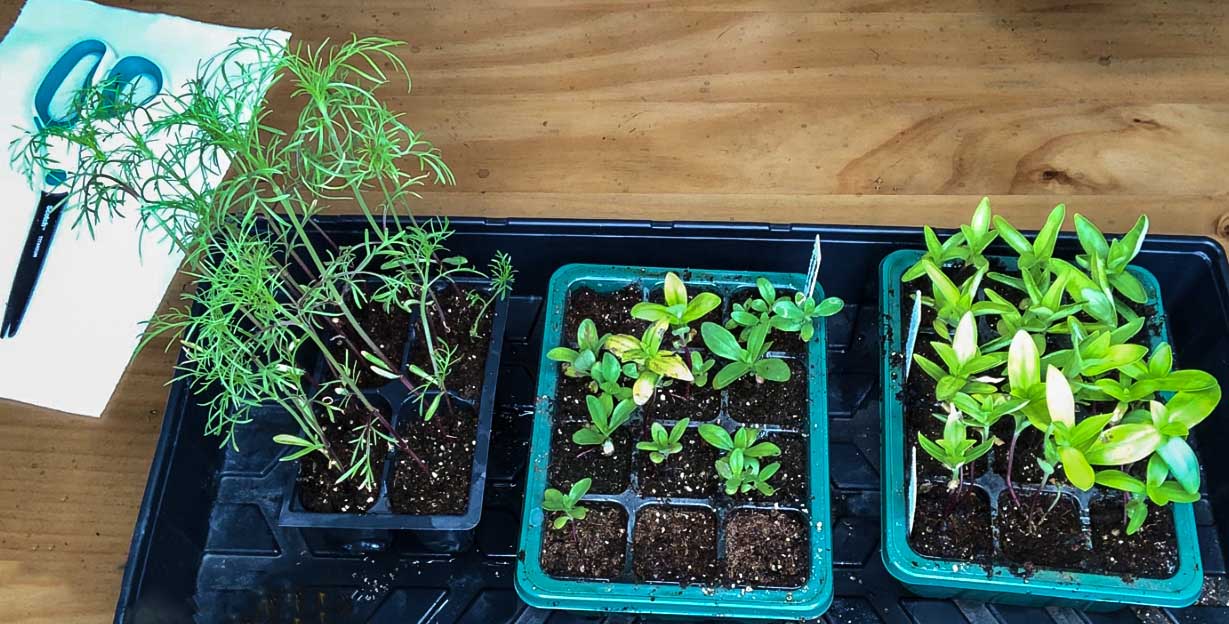
The Beauty of Zinnia Seedlings
Zinnias are colorful and vibrant flowers that are a favorite among gardeners for their easy cultivation and stunning blooms. Starting zinnias from seedlings is a rewarding experience that allows you to witness the entire growth process, from tiny seeds to beautiful flowers.
When starting zinnia seedlings, it’s important to choose a sunny location with well-draining soil. Zinnias thrive in full sunlight and require regular watering to keep the soil moist but not waterlogged.
After planting the zinnia seeds, you’ll start to see tiny seedlings emerge within a week or two. These delicate green shoots will soon develop their first set of true leaves, signaling their growth into healthy young plants.
As the zinnia seedlings continue to grow, you can transplant them into larger containers or directly into your garden bed. Be sure to space them adequately to allow room for their mature size and provide support if needed for taller varieties.
With proper care and attention, your zinnia seedlings will soon reward you with a profusion of bright, colorful flowers that attract pollinators and bring beauty to your garden all season long.
Whether you’re a seasoned gardener or new to growing flowers from seedlings, zinnias are a wonderful choice that will brighten up any garden with their cheerful blooms.
8 Essential Tips for Growing Healthy Zinnia Seedlings
- Plant zinnia seedlings in well-draining soil.
- Water zinnia seedlings regularly, keeping the soil moist but not waterlogged.
- Place zinnia seedlings in a location with full sun for optimal growth.
- Fertilize zinnia seedlings with a balanced fertilizer every 2-3 weeks.
- Pinch off the top growth of zinnia seedlings to promote bushier growth.
- Protect zinnia seedlings from pests like aphids and caterpillars.
- Support tall varieties of zinnias with stakes to prevent them from bending or breaking.
- Deadhead faded blooms on zinnias regularly to encourage continuous blooming.
Plant zinnia seedlings in well-draining soil.
To ensure the healthy growth of zinnia seedlings, it is crucial to plant them in well-draining soil. Proper drainage helps prevent waterlogging, which can lead to root rot and other issues that may stunt the growth of the seedlings. By providing a well-draining environment, you create optimal conditions for the zinnia seedlings to establish strong root systems and thrive as they develop into vibrant and beautiful flowers.
Water zinnia seedlings regularly, keeping the soil moist but not waterlogged.
To ensure the healthy growth of zinnia seedlings, it is essential to water them regularly while maintaining a delicate balance in the soil moisture level. By keeping the soil consistently moist but not waterlogged, you provide the ideal conditions for zinnia seedlings to thrive and develop into robust plants. Proper watering practices are crucial in promoting strong root growth and vibrant blooms in these colorful flowers.
Place zinnia seedlings in a location with full sun for optimal growth.
To ensure the optimal growth of zinnia seedlings, it is crucial to place them in a location that receives full sun. Zinnias thrive in bright sunlight, which promotes strong and healthy growth, as well as vibrant flower production. By providing ample sunlight to your zinnia seedlings, you are setting them up for success and ensuring that they reach their full potential in both size and beauty.
Fertilize zinnia seedlings with a balanced fertilizer every 2-3 weeks.
To promote healthy growth and vibrant blooms, it is recommended to fertilize zinnia seedlings with a balanced fertilizer every 2-3 weeks. Providing the right nutrients at regular intervals will support the development of strong stems and lush foliage, ultimately leading to an abundance of colorful flowers. By following this simple tip, you can ensure that your zinnia seedlings have the essential nourishment they need to thrive and brighten up your garden with their beauty.
Pinch off the top growth of zinnia seedlings to promote bushier growth.
Pinching off the top growth of zinnia seedlings is a beneficial technique that encourages the plants to develop a bushier and more compact growth habit. By removing the top portion of the plant, you stimulate lateral branching, resulting in a fuller and more robust zinnia plant. This simple practice not only enhances the overall appearance of the zinnias but also increases flower production, leading to a more abundant display of colorful blooms in your garden.
Protect zinnia seedlings from pests like aphids and caterpillars.
To ensure the healthy growth of your zinnia seedlings, it is essential to protect them from common pests such as aphids and caterpillars. These pests can quickly damage the delicate leaves and flowers of zinnias, affecting their overall health and beauty. Regularly inspecting your seedlings for signs of pest infestations and taking preventive measures, such as using organic insecticidal soaps or introducing beneficial insects like ladybugs, can help safeguard your zinnias against these destructive invaders. By staying vigilant and implementing pest control strategies, you can nurture thriving zinnia seedlings that will bloom into stunning flowers in your garden.
Support tall varieties of zinnias with stakes to prevent them from bending or breaking.
To ensure the healthy growth of tall varieties of zinnias, it is recommended to support them with stakes. By providing proper support, you can prevent these beautiful flowers from bending or breaking under their own weight as they mature. Staking tall zinnias not only helps maintain their upright posture but also ensures that the blooms remain prominently displayed, adding to the overall beauty of your garden.
Deadhead faded blooms on zinnias regularly to encourage continuous blooming.
Regularly deadheading faded blooms on zinnias is a key tip to ensure continuous blooming throughout the growing season. By removing spent flowers, you not only maintain the plant’s aesthetic appeal but also stimulate new growth and encourage the production of more vibrant blooms. This simple practice redirects the plant’s energy from seed production back into flower production, resulting in a longer-lasting and more abundant display of zinnia flowers in your garden.