
The Magic of Cilantro Seeds: A Culinary and Medicinal Treasure
Cilantro, also known as coriander or Chinese parsley, is a versatile herb used in cuisines around the world. While the leaves and stems of cilantro are popular for their fresh and citrusy flavor, the seeds of the cilantro plant are equally remarkable.
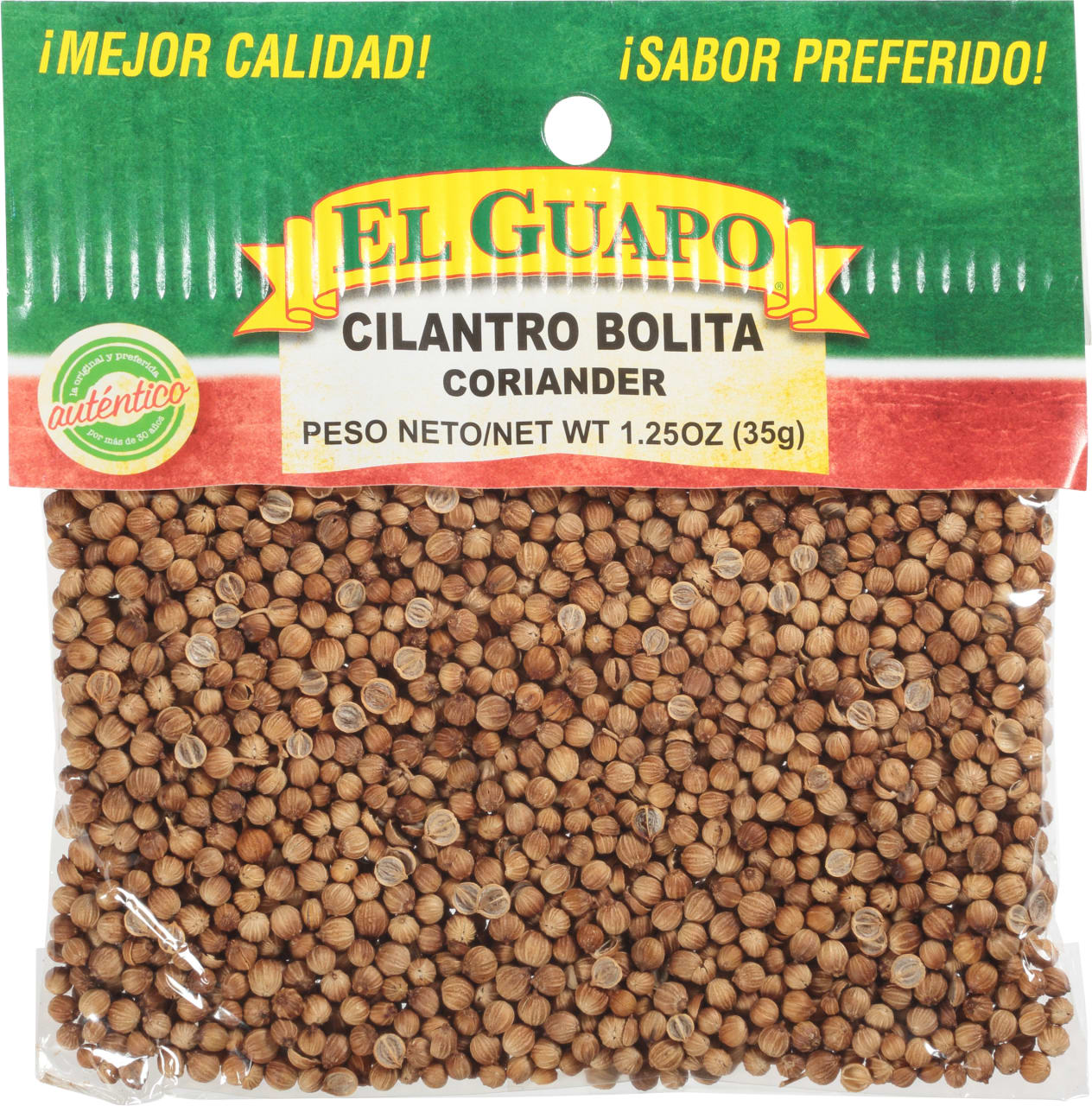
Cilantro seeds, also called coriander seeds, have a warm, nutty flavor with hints of citrus and spice. They are commonly used in cooking to add depth and complexity to dishes such as curries, stews, pickles, and baked goods.
Aside from their culinary uses, cilantro seeds have been valued for their medicinal properties for centuries. They are rich in antioxidants and have been used in traditional medicine to aid digestion, reduce inflammation, lower cholesterol levels, and promote overall well-being.
When it comes to planting cilantro seeds in your garden or indoor pots, it’s essential to ensure they have well-draining soil and receive plenty of sunlight. Cilantro plants prefer cool weather and can bolt quickly in hot temperatures, so it’s best to sow the seeds in early spring or late summer for a bountiful harvest.
To harvest cilantro seeds, allow the plant to flower and then go to seed. The seeds will turn brown and hard when they are ready for harvesting. Simply cut the seed heads off the plant and hang them upside down in a paper bag to dry. Once dried, you can remove the seeds by gently crushing the seed heads.
Whether you’re a culinary enthusiast looking to elevate your dishes or a health-conscious individual seeking natural remedies, cilantro seeds offer a wealth of benefits. Embrace the magic of cilantro seeds in your kitchen and garden for a flavorful and healthy experience!
Essential FAQs About Growing and Using Cilantro Seeds
- How do I plant cilantro seeds?
- When is the best time to sow cilantro seeds?
- How long does it take for cilantro seeds to germinate?
- Do cilantro seeds require special care when growing?
- Can I use store-bought cilantro seeds for planting?
- What are the health benefits of consuming cilantro seeds?
- How do I harvest and store cilantro seeds for future use?
- Are there any common pests or diseases that affect cilantro plants grown from seeds?
How do I plant cilantro seeds?
Planting cilantro seeds is a straightforward process that can yield a bountiful harvest of this flavorful herb. To plant cilantro seeds, choose a location with well-draining soil and ample sunlight. Sow the seeds directly into the soil or in pots indoors, making sure to cover them lightly with soil. Keep the soil consistently moist but not waterlogged, as cilantro plants prefer slightly damp conditions. It’s best to plant cilantro seeds in early spring or late summer to avoid bolting in hot weather. With proper care and attention, you can enjoy fresh cilantro leaves and seeds for culinary and medicinal purposes.
When is the best time to sow cilantro seeds?
The best time to sow cilantro seeds is typically in early spring or late summer, as cilantro plants prefer cooler temperatures for optimal growth. Planting cilantro seeds during these times ensures that the plants have the right conditions to thrive and produce a bountiful harvest. It’s important to choose a location with well-draining soil and ample sunlight for successful germination. By sowing cilantro seeds at the right time and providing proper care, you can enjoy a continuous supply of fresh and flavorful cilantro throughout the growing season.
How long does it take for cilantro seeds to germinate?
Cilantro seeds typically take about 7 to 10 days to germinate under optimal conditions. Factors such as soil temperature, moisture levels, and sunlight exposure play a crucial role in the germination process. It is essential to keep the soil consistently moist but not waterlogged during the germination period to support healthy seed sprouting. Providing a warm and sunny environment can help accelerate the germination process, ensuring that your cilantro seeds develop into robust seedlings ready for transplanting or further growth.
Do cilantro seeds require special care when growing?
Cilantro seeds do not require special care when growing, but there are a few key considerations to ensure a successful harvest. It is important to plant cilantro seeds in well-draining soil with plenty of sunlight. Cilantro plants prefer cooler temperatures and can bolt quickly in hot weather, so planting in early spring or late summer is ideal. Regular watering and ensuring the soil remains moist but not waterlogged will help cilantro seeds germinate and grow effectively. Harvesting cilantro seeds at the right time, when they have turned brown and hardened, is crucial for optimal flavor and quality. Overall, with proper attention to these factors, growing cilantro seeds can be a rewarding and straightforward process for any gardener.
Can I use store-bought cilantro seeds for planting?
When it comes to using store-bought cilantro seeds for planting, it’s important to consider a few factors. While store-bought cilantro seeds intended for culinary use can potentially be used for planting, they may not always yield the best results. These seeds are often treated with chemicals or stored in conditions that reduce their viability for germination. For optimal success in growing cilantro plants, it is recommended to purchase high-quality cilantro seeds specifically labeled for gardening purposes from reputable seed suppliers or nurseries. This ensures that you are starting with viable, untreated seeds that are more likely to sprout and thrive in your garden or pots.
What are the health benefits of consuming cilantro seeds?
Cilantro seeds, also known as coriander seeds, offer a range of health benefits when consumed. Rich in antioxidants, cilantro seeds have been traditionally used in herbal medicine to aid digestion, reduce inflammation, and lower cholesterol levels. Additionally, they are believed to possess antimicrobial properties that may help combat certain infections. Incorporating cilantro seeds into your diet can contribute to overall well-being and support a healthy lifestyle. Whether used in culinary dishes or consumed for their medicinal properties, cilantro seeds are a versatile and beneficial addition to your daily routine.
How do I harvest and store cilantro seeds for future use?
When it comes to harvesting and storing cilantro seeds for future use, the process is relatively simple. Allow the cilantro plant to flower and go to seed, typically indicated by the seeds turning brown and hard. Once ready, cut the seed heads off the plant and hang them upside down in a paper bag to dry. After drying, gently crush the seed heads to release the seeds. Store the harvested cilantro seeds in an airtight container in a cool, dark place to maintain their freshness and flavor for future culinary or medicinal use.
Are there any common pests or diseases that affect cilantro plants grown from seeds?
Cilantro plants grown from seeds are susceptible to a few common pests and diseases that can impact their growth and health. Some of the pests that may affect cilantro plants include aphids, spider mites, and whiteflies, which can sap the plant’s nutrients and weaken its overall vitality. Additionally, cilantro plants may be vulnerable to fungal diseases such as powdery mildew and damping-off, especially in humid or overcrowded conditions. To prevent these issues, it is essential to practice good garden hygiene, provide adequate air circulation, and monitor the plants regularly for any signs of pest infestation or disease development. Implementing organic pest control methods and ensuring proper watering practices can help maintain healthy cilantro plants grown from seeds.