
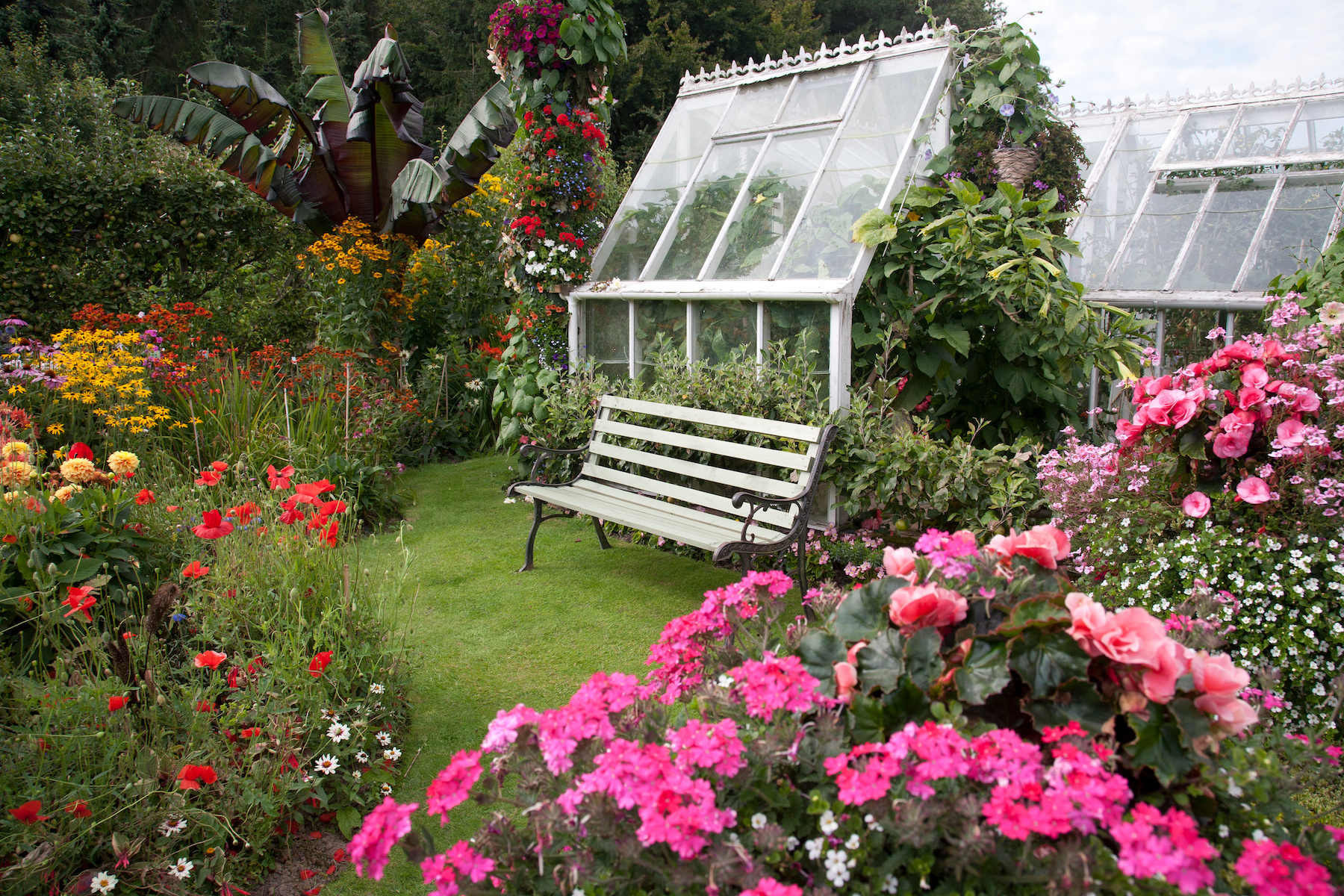
Creating a Stunning Flower Garden Design
Flower gardens are a beautiful addition to any outdoor space, bringing color, fragrance, and life to your surroundings. Whether you have a small balcony or a sprawling backyard, designing a flower garden can be a rewarding and enjoyable experience. Here are some tips to help you create a stunning flower garden design:
Choose the Right Location:
Before you start planting, consider the sunlight, soil quality, and drainage of the area where you want to create your flower garden. Most flowering plants require at least 6 hours of sunlight per day, so choose a spot that receives adequate sunlight.
Select Your Flowers Wisely:
When choosing flowers for your garden, consider factors such as bloom time, height, color scheme, and maintenance requirements. Mix different types of flowers to create visual interest and ensure blooms throughout the growing season.
Create a Layout:
Sketch out a rough plan of how you want your flower garden to look. Consider the size and shape of the bed, as well as any pathways or focal points you want to include. Group flowers with similar water and light requirements together for easier maintenance.
Add Hardscape Elements:
Incorporate hardscape elements such as pathways, borders, or decorative stones to add structure and visual appeal to your flower garden design. These elements can help define different areas within your garden and create a cohesive look.
Consider Seasonal Interest:
Include a mix of annuals and perennials in your flower garden design to ensure year-round interest. Annuals provide continuous blooms throughout the season, while perennials come back year after year with minimal maintenance.
Maintain Your Garden:
To keep your flower garden looking its best, make sure to water regularly, deadhead spent blooms, fertilize as needed, and control weeds. Regular maintenance will help your flowers thrive and continue blooming all season long.
By following these tips and putting your creativity to work, you can create a stunning flower garden that will be the envy of all who see it. Enjoy the process of designing and tending to your flower garden, and watch as it transforms into a beautiful oasis of color and fragrance in your outdoor space.
Transform Your Outdoor Space: 5 Benefits of Designing a Flower Garden
- Enhances the beauty of outdoor spaces with vibrant colors and fragrant blooms.
- Creates a peaceful and relaxing environment for enjoyment and stress relief.
- Attracts beneficial pollinators such as bees, butterflies, and birds to support local ecosystems.
- Provides opportunities for creativity and self-expression through artistic arrangement of flowers.
- Contributes to a healthier environment by improving air quality and promoting biodiversity.
Challenges in Flower Garden Design: Maintenance, Seasons, Pests, and Space
Enhances the beauty of outdoor spaces with vibrant colors and fragrant blooms.
Flower garden design enhances the beauty of outdoor spaces by introducing vibrant colors and fragrant blooms that captivate the senses and uplift the ambiance. The carefully curated selection of flowers adds visual interest and a pop of color to any landscape, creating a welcoming and aesthetically pleasing environment for relaxation and enjoyment. The combination of hues and scents from blooming flowers transforms outdoor spaces into enchanting retreats that invite people to immerse themselves in the natural beauty surrounding them.
Creates a peaceful and relaxing environment for enjoyment and stress relief.
A well-designed flower garden has the remarkable ability to create a peaceful and relaxing environment that offers both enjoyment and stress relief. Surrounded by vibrant blooms, soothing fragrances, and the gentle rustling of leaves, a flower garden becomes a sanctuary where one can escape the hustle and bustle of daily life. The simple act of tending to the garden or simply sitting amidst the beauty of nature can provide a calming effect on the mind and body, promoting relaxation and rejuvenation.
Attracts beneficial pollinators such as bees, butterflies, and birds to support local ecosystems.
One significant benefit of flower garden design is its ability to attract beneficial pollinators such as bees, butterflies, and birds, which play a crucial role in supporting local ecosystems. By planting a variety of flowers that provide nectar and pollen, gardeners can create a welcoming habitat for these pollinators, helping to ensure the health and diversity of plant life in the area. Not only does this enhance the beauty of the garden, but it also contributes to the overall well-being of the environment by promoting pollination and biodiversity.
Provides opportunities for creativity and self-expression through artistic arrangement of flowers.
Designing a flower garden offers a wonderful opportunity for creativity and self-expression through the artistic arrangement of flowers. By selecting different colors, shapes, and textures of flowers, gardeners can create unique and visually appealing compositions that reflect their personal style and preferences. The process of planning and arranging the flowers allows individuals to showcase their creativity, experiment with design concepts, and express themselves artistically in their outdoor space. Whether creating a harmonious color scheme or a bold contrast of blooms, designing a flower garden is a fulfilling way to unleash one’s artistic vision and create a beautiful living masterpiece.
Contributes to a healthier environment by improving air quality and promoting biodiversity.
One significant benefit of flower garden design is its positive impact on the environment. By planting a diverse array of flowers, you not only enhance the beauty of your surroundings but also contribute to a healthier ecosystem. Flower gardens play a crucial role in improving air quality by absorbing carbon dioxide and releasing oxygen through photosynthesis. Additionally, these gardens attract pollinators such as bees and butterflies, promoting biodiversity and supporting the overall health of local ecosystems. By creating a flower garden, you are not only creating a visually appealing space but also actively participating in the conservation and enhancement of our natural world.
High maintenance
One significant drawback of flower garden design is the high level of maintenance required to ensure the garden remains vibrant and healthy. From frequent watering to applying fertilizers, weeding out unwanted plants, and deadheading spent blooms, the upkeep of a flower garden can be time-consuming and labor-intensive. Without consistent care and attention, the garden may not reach its full potential, leading to wilting flowers, weed overgrowth, and overall diminished aesthetics. The ongoing maintenance demands of a flower garden can be a challenging aspect for those with limited time or resources to dedicate to regular gardening tasks.
Seasonal limitations
Seasonal limitations pose a significant challenge in flower garden design, especially in regions with distinct climates. The reliance on certain flowers that bloom only during specific seasons can result in gaps in the garden’s visual appeal throughout the year. This limitation may require gardeners to carefully plan and select a diverse range of plants with staggered blooming periods to ensure continuous color and interest in the garden across different seasons. Adapting to these seasonal constraints can be a creative opportunity for gardeners to experiment with plant combinations and design strategies that maintain the garden’s allure year-round despite nature’s limitations.
Pest and disease susceptibility
One significant con of flower garden design is the susceptibility of flowers to pests and diseases. These issues can wreak havoc on plants, causing damage or even death if left unchecked. Gardeners must remain vigilant and proactive in monitoring for signs of pests or diseases, which may require the use of chemical treatments to protect the plants. Dealing with these challenges can be time-consuming and may involve additional costs, detracting from the overall enjoyment of maintaining a flower garden.
Space constraints
Space constraints can present a significant challenge in flower garden design, as limited space may restrict the size and variety of flowers you can plant. This limitation can impact the overall aesthetic appeal of your garden and constrain your design options. When working with a smaller area, careful planning and selection of compact or vertical-growing plants become essential to make the most of the available space while still creating a visually pleasing and vibrant flower garden. Despite the challenges posed by space constraints, thoughtful design choices and creative solutions can help maximize the beauty and functionality of even the smallest flower gardens.