
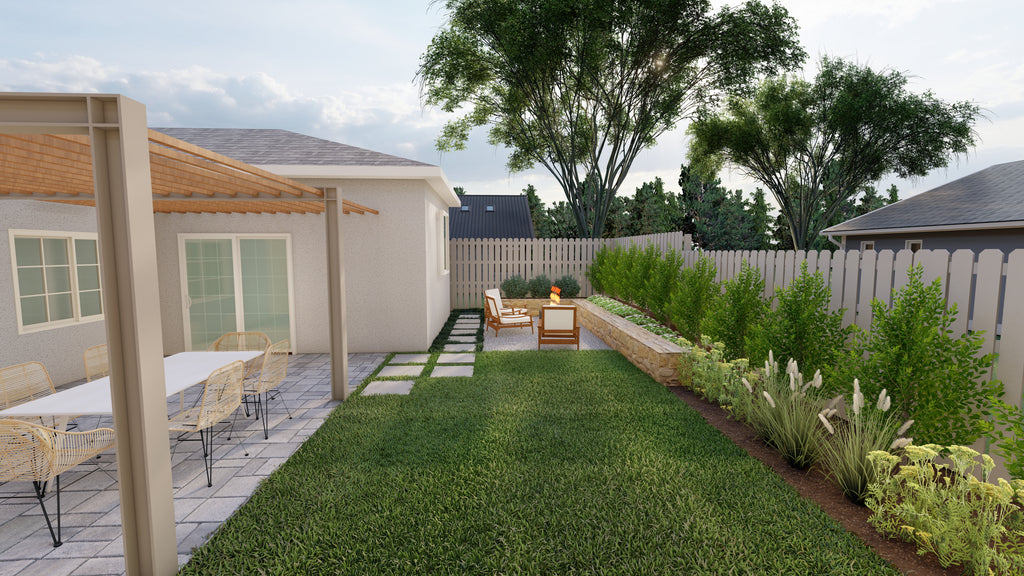
The Art of Yard Landscaping
Yard landscaping is a creative and rewarding way to enhance the beauty and functionality of your outdoor space. Whether you have a small backyard or a sprawling lawn, thoughtful landscaping can transform your yard into a peaceful oasis, a vibrant garden, or an inviting entertainment area.
One of the key elements of yard landscaping is designing the layout to maximize both aesthetic appeal and practical use. This involves considering factors such as sunlight exposure, soil quality, drainage, and existing features like trees or structures. By carefully planning the layout, you can create distinct areas for relaxation, play, gardening, dining, and more.
Plants play a central role in yard landscaping, adding color, texture, and life to the outdoor space. Choose a mix of trees, shrubs, flowers, and grasses that thrive in your climate and soil conditions. Consider incorporating native plants to attract pollinators and support local ecosystems. Group plants based on their water and sunlight needs to create visually appealing plant beds.
Hardscaping elements like pathways, patios, decks, pergolas, and retaining walls can also enhance the functionality and visual interest of your yard. These features provide structure to the landscape design while creating spaces for seating, dining, or outdoor activities.
Lighting is another important aspect of yard landscaping that often gets overlooked. Well-placed lights can highlight focal points in the garden, extend outdoor living hours into the evening, and enhance safety around pathways and stairs.
Ultimately, yard landscaping is about creating a harmonious outdoor environment that reflects your personal style and meets your practical needs. Whether you prefer a lush garden retreat or a minimalist modern design, there are endless possibilities to explore when it comes to transforming your yard into an inviting outdoor sanctuary.
5 Essential Tips for Effortless and Attractive Yard Landscaping
- Choose native plants for easy maintenance
- Consider the amount of sunlight different areas receive
- Incorporate a variety of plant heights for visual interest
- Use mulch to retain moisture and prevent weed growth
- Regularly prune and trim plants to keep the yard looking neat
Choose native plants for easy maintenance
Selecting native plants for your yard landscaping is a smart choice for easy maintenance. Native plants are well-adapted to the local climate, soil conditions, and pests, requiring less water, fertilizer, and pesticides compared to non-native species. By choosing plants that naturally thrive in your region, you can create a sustainable garden that is more resilient to environmental challenges and supports local wildlife. Additionally, native plants often have deep root systems that help prevent soil erosion and require minimal pruning or shaping, making them a low-maintenance and eco-friendly landscaping option.
Consider the amount of sunlight different areas receive
When planning your yard landscaping, it is crucial to consider the amount of sunlight that different areas receive. Understanding the sunlight patterns in your yard will help you select the right plants for each location. Some plants thrive in full sun, while others prefer partial or full shade. By matching plants to the appropriate light conditions, you can ensure their healthy growth and vibrant appearance. Additionally, knowing where sunlight falls throughout the day can help you design functional outdoor spaces that cater to both sun-loving and shade-seeking activities. By taking sunlight exposure into account, you can create a balanced and thriving landscape that maximizes the beauty of your yard.
Incorporate a variety of plant heights for visual interest
Incorporating a variety of plant heights in your yard landscaping is a simple yet effective tip to add visual interest and depth to your outdoor space. By strategically placing plants of different heights, from ground covers and low-growing shrubs to tall trees and vertical accents, you can create a dynamic landscape that draws the eye and creates a sense of balance and harmony. This technique not only adds aesthetic appeal but also helps define different areas within your yard, creating a more engaging and cohesive overall design.
Use mulch to retain moisture and prevent weed growth
Using mulch in your yard landscaping is a smart and effective way to retain moisture in the soil and suppress weed growth. Mulch acts as a protective barrier, helping to lock in moisture and prevent evaporation, which is especially beneficial during hot and dry weather conditions. Additionally, by creating a barrier between the soil and sunlight, mulch inhibits weed seeds from germinating and competing with your desired plants for nutrients. Choose organic mulches like wood chips, shredded bark, or compost for a natural look that also enriches the soil as it breaks down over time. By incorporating mulch into your landscaping routine, you can promote healthy plant growth while minimizing water usage and weed maintenance efforts.
Regularly prune and trim plants to keep the yard looking neat
Regularly pruning and trimming plants is a crucial tip for maintaining a neat and well-manicured yard. By keeping plants properly pruned, you not only promote healthy growth but also enhance the overall appearance of your outdoor space. Trimming back overgrown branches, shaping hedges, and deadheading flowers can help create a tidy and organized landscape. Additionally, regular pruning can prevent overcrowding, improve air circulation around plants, and allow sunlight to reach all parts of the garden, ensuring that your yard remains vibrant and aesthetically pleasing throughout the seasons.