
The Art of Urban Landscape Design
Urban landscape design is a fascinating blend of art, science, and functionality. In our bustling cities where space is a premium, creating green oases and aesthetically pleasing outdoor environments requires careful planning and creativity.
One of the key principles of urban landscape design is to maximize the use of limited space efficiently. This often involves incorporating elements such as vertical gardens, rooftop gardens, and pocket parks to add greenery and improve air quality in urban areas.
Another important aspect of urban landscape design is the selection of plant species that can thrive in urban environments. Drought-resistant plants, native species, and low-maintenance vegetation are often preferred for their ability to withstand the challenges of city life.
Furthermore, urban landscape design takes into consideration the needs of the community. Public spaces like plazas, squares, and pedestrian walkways are designed to enhance social interaction, promote wellness, and create a sense of place within the urban fabric.
Technology also plays a role in modern urban landscape design. Green infrastructure solutions such as rain gardens, permeable pavements, and bioswales are integrated into urban landscapes to manage stormwater runoff effectively and reduce the impact of flooding.
Ultimately, urban landscape design strives to create harmonious environments that balance nature with built structures. By incorporating sustainable practices, innovative designs, and community input, urban landscapes can transform cities into vibrant green spaces that benefit both residents and the environment.
Understanding Urban Landscape Design: Key Elements, Examples, and Differences
- What are the 5 basic elements of landscape design?
- What is urban landscape design?
- What is an example of urban landscaping?
- What are the elements of landscape in urban design?
- What are the 7 C’s of urban design?
- What is the difference between urban design and landscape design?
What are the 5 basic elements of landscape design?
In urban landscape design, the five basic elements that form the foundation of a well-planned outdoor space are line, form, texture, color, and scale. These elements work together to create harmonious and visually appealing landscapes in urban settings. Lines define the structure and flow of a space, guiding the eye and creating visual interest. Forms refer to the shapes and structures of plants, hardscapes, and other elements within the landscape. Texture adds depth and tactile quality to the design, while color brings vibrancy and mood to the environment. Lastly, scale ensures that all elements within the landscape are proportionate to one another and fit cohesively within the urban context. By carefully considering these five elements, urban landscape designers can create dynamic and engaging outdoor spaces that enhance the quality of urban life.
What is urban landscape design?
Urban landscape design is the art and science of planning, designing, and managing outdoor spaces in urban environments to create functional, aesthetically pleasing, and sustainable landscapes. It involves the strategic placement of green spaces, trees, plants, and hardscape elements to enhance the quality of life for city dwellers while addressing environmental challenges such as pollution, heat island effect, and stormwater management. Urban landscape design aims to strike a balance between nature and urban development by incorporating green infrastructure, community input, and innovative design solutions to create vibrant and resilient urban spaces that benefit both people and the environment.
What is an example of urban landscaping?
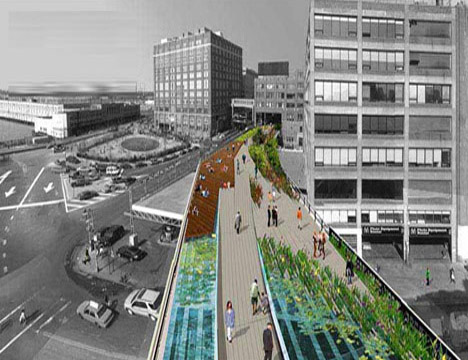
An example of urban landscaping is the High Line in New York City. This innovative public park was created on a historic elevated railway line, transforming it into a beautiful green space that winds through the city’s bustling neighborhoods. The High Line features a mix of native plants, trees, and art installations, providing residents and visitors with a unique urban oasis where they can relax, stroll, and enjoy panoramic views of the city skyline. This project showcases how urban landscaping can repurpose existing infrastructure to create sustainable and vibrant outdoor spaces that enhance the quality of urban life.
What are the elements of landscape in urban design?
In urban design, the elements of landscape play a crucial role in shaping the aesthetic appeal and functionality of urban spaces. Key elements include vegetation, such as trees, shrubs, and grassy areas, which not only enhance the visual appeal of urban landscapes but also provide shade, improve air quality, and support biodiversity. Water features like fountains, ponds, and rain gardens add a sense of tranquility and help manage stormwater runoff effectively. Hardscape elements such as pathways, plazas, and seating areas create connectivity and define the spatial organization of urban environments. Lighting fixtures, street furniture, and public art installations contribute to the overall ambiance and character of urban landscapes. By integrating these elements thoughtfully, urban designers can create dynamic and livable spaces that cater to the needs of residents while promoting sustainability and well-being in urban settings.
What are the 7 C’s of urban design?
In the realm of urban landscape design, the concept of the 7 C’s plays a crucial role in shaping vibrant and functional urban environments. The 7 C’s of urban design encompass key principles that guide the planning and development of cities: context, character, choice, connections, creativity, conservation, and collaboration. These principles emphasize the importance of understanding the context in which urban spaces exist, maintaining the unique character of each area, providing choices for residents and visitors, creating connections between different parts of the city, fostering creativity in design solutions, promoting conservation of natural resources, and encouraging collaboration among stakeholders to achieve sustainable and inclusive urban development. By adhering to the 7 C’s of urban design, planners and designers can create livable, resilient, and visually appealing cities that meet the needs of diverse communities.
What is the difference between urban design and landscape design?
Urban design and landscape design are two distinct disciplines that play crucial roles in shaping the built environment. Urban design focuses on the planning and organization of urban areas, including the layout of streets, buildings, public spaces, and infrastructure to create functional and aesthetically pleasing cities. It encompasses a broad range of considerations such as transportation systems, land use zoning, and overall city form. On the other hand, landscape design specifically deals with the planning and arrangement of outdoor spaces to enhance their beauty, functionality, and sustainability. It involves the selection of plants, materials, and elements like pathways, water features, and lighting to create inviting and harmonious outdoor environments. While urban design addresses the larger scale of city planning, landscape design delves into the details of creating attractive outdoor spaces within urban areas. Both disciplines are essential in creating livable and vibrant urban environments that cater to the needs of residents while promoting sustainability and quality of life.