
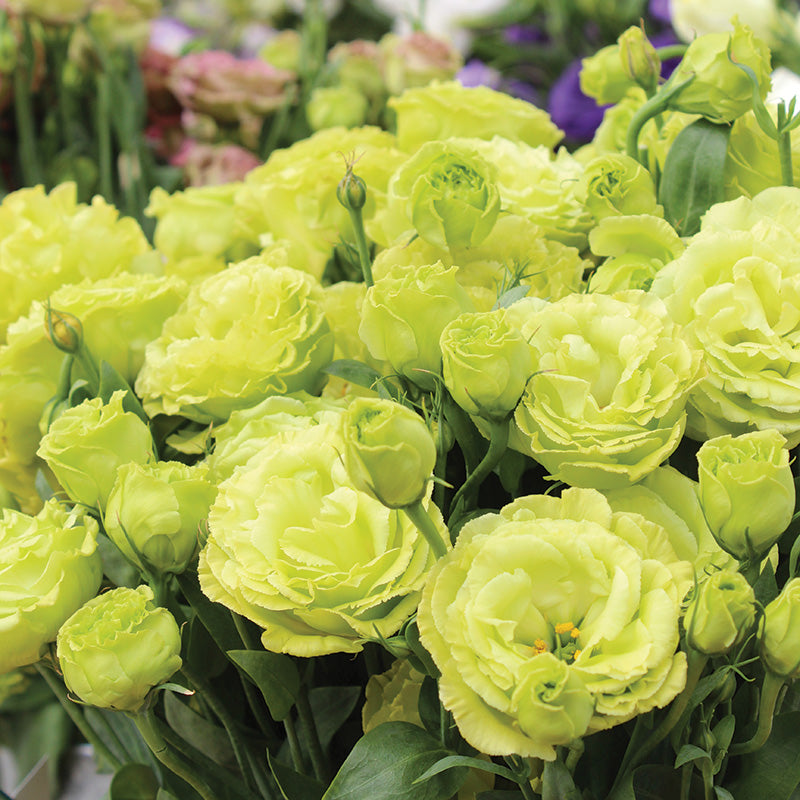
The Beauty of Lisianthus Seeds
Lisianthus, also known as Eustoma, is a stunning flowering plant that adds elegance and charm to any garden or floral arrangement. While many gardeners are familiar with purchasing lisianthus plants from nurseries, growing them from seeds can be a rewarding experience.
Why Choose Lisianthus Seeds?
Starting lisianthus from seeds allows you to select from a wider variety of colors and forms than those available as plants. Additionally, growing lisianthus from seeds gives you the satisfaction of nurturing a plant from its earliest stages.
Tips for Growing Lisianthus Seeds
Here are some tips to help you successfully grow lisianthus from seeds:
- Sowing: Start lisianthus seeds indoors in early spring. Sow the seeds in a well-draining seed-starting mix and lightly cover them with soil.
- Light: Lisianthus seeds require plenty of light to germinate. Place the seed trays in a sunny location or under grow lights.
- Temperature: Keep the soil consistently moist and maintain a temperature of around 70°F (21°C) for optimal germination.
- Transplanting: Once the seedlings have developed true leaves, transplant them into individual pots or directly into the garden after the last frost date.
- Care: Provide regular watering, fertilization, and support for tall varieties to ensure healthy growth and abundant blooms.
The Beauty of Lisianthus Blooms
Lisianthus flowers are prized for their rose-like appearance and delicate petals. They come in shades of white, pink, purple, and blue, making them versatile additions to bouquets and arrangements. With proper care and attention, your lisianthus plants will reward you with an abundance of blossoms throughout the growing season.
In Conclusion
Growing lisianthus from seeds is a fulfilling journey that allows you to witness the beauty of these exquisite flowers from their very beginning. Whether you’re a seasoned gardener or new to planting, cultivating lisianthus seeds is sure to bring joy and color to your garden.
8 Essential Tips for Growing Lisianthus from Seed to Bloom
- Sow lisianthus seeds indoors 10-12 weeks before the last frost date.
- Use a well-draining seed starting mix to sow lisianthus seeds.
- Keep the soil consistently moist but not waterlogged during germination.
- Provide ample sunlight or grow lights for healthy seedling growth.
- Transplant lisianthus seedlings outdoors after the danger of frost has passed.
- Space lisianthus plants about 12-18 inches apart in well-draining soil.
- Water lisianthus plants deeply but infrequently to encourage deep root growth.
- Deadhead spent blooms regularly to promote continuous flowering.
Sow lisianthus seeds indoors 10-12 weeks before the last frost date.
For optimal growth and early blooms, it is recommended to sow lisianthus seeds indoors approximately 10-12 weeks prior to the last frost date in your region. Starting the seeds indoors allows for a longer growing season and gives the seedlings a head start before transplanting them outdoors. By following this timing guideline, you can ensure that your lisianthus plants have a strong foundation to thrive and produce beautiful blooms in the garden.
Use a well-draining seed starting mix to sow lisianthus seeds.
To ensure successful germination and healthy growth of lisianthus seeds, it is essential to use a well-draining seed starting mix when sowing the seeds. A well-draining mix helps prevent waterlogging, which can lead to root rot and other issues that may hinder seedling development. By providing optimal drainage, the seed starting mix creates a favorable environment for lisianthus seeds to germinate and establish strong roots, setting the stage for vibrant and thriving plants in the future.
Keep the soil consistently moist but not waterlogged during germination.
To ensure successful germination of lisianthus seeds, it is crucial to maintain soil moisture at a consistent level, allowing the seeds to imbibe water and begin the sprouting process. While it is important to keep the soil moist, it is equally essential to avoid waterlogging, as excessive moisture can lead to rotting of the seeds or seedlings. By striking a balance and ensuring that the soil remains consistently moist but not waterlogged, gardeners can provide an optimal environment for lisianthus seeds to germinate and thrive.
Provide ample sunlight or grow lights for healthy seedling growth.
To ensure healthy growth of lisianthus seedlings, it is crucial to provide ample sunlight or grow lights. Lisianthus seeds require plenty of light to germinate and develop into robust plants. Placing the seed trays in a sunny location or using grow lights will help the seedlings establish strong roots and sturdy stems. Adequate light exposure is essential for photosynthesis, which fuels the growth and development of lisianthus seedlings, ultimately leading to vibrant blooms in the future.
Transplant lisianthus seedlings outdoors after the danger of frost has passed.
To ensure the successful growth of your lisianthus seedlings, it is recommended to transplant them outdoors only after the threat of frost has subsided. By waiting until the danger of frost has passed, you protect your delicate seedlings from potential damage and give them the best chance to thrive in their new outdoor environment. This cautious approach helps to safeguard the health and development of your lisianthus plants, setting them up for a season of vibrant blooms and healthy growth in the garden.
Space lisianthus plants about 12-18 inches apart in well-draining soil.
For optimal growth and blooming, it is recommended to space lisianthus plants approximately 12-18 inches apart in soil that drains well. This spacing allows each plant to have sufficient room for root development and access to nutrients and water. By providing adequate spacing, you can ensure that your lisianthus plants thrive and produce beautiful, healthy blooms throughout the growing season.
Water lisianthus plants deeply but infrequently to encourage deep root growth.
To promote healthy root development in lisianthus plants, it is recommended to water them deeply but infrequently. By allowing the soil to dry out slightly between waterings, lisianthus plants are encouraged to grow deep roots in search of moisture. This deep root system helps the plants access nutrients and water more efficiently, leading to stronger and more resilient growth. Consistent deep watering is key to fostering robust lisianthus plants that can thrive and produce abundant blooms throughout the growing season.
Deadhead spent blooms regularly to promote continuous flowering.
To ensure a continuous display of beautiful blooms from your lisianthus plants, it is essential to deadhead spent flowers regularly. By removing faded blooms, you encourage the plant to redirect its energy into producing new flowers instead of setting seeds. This practice not only promotes prolonged flowering but also helps maintain the overall health and vigor of your lisianthus plants. Remember to deadhead regularly to enjoy a constant supply of fresh, vibrant blooms in your garden or floral arrangements.