
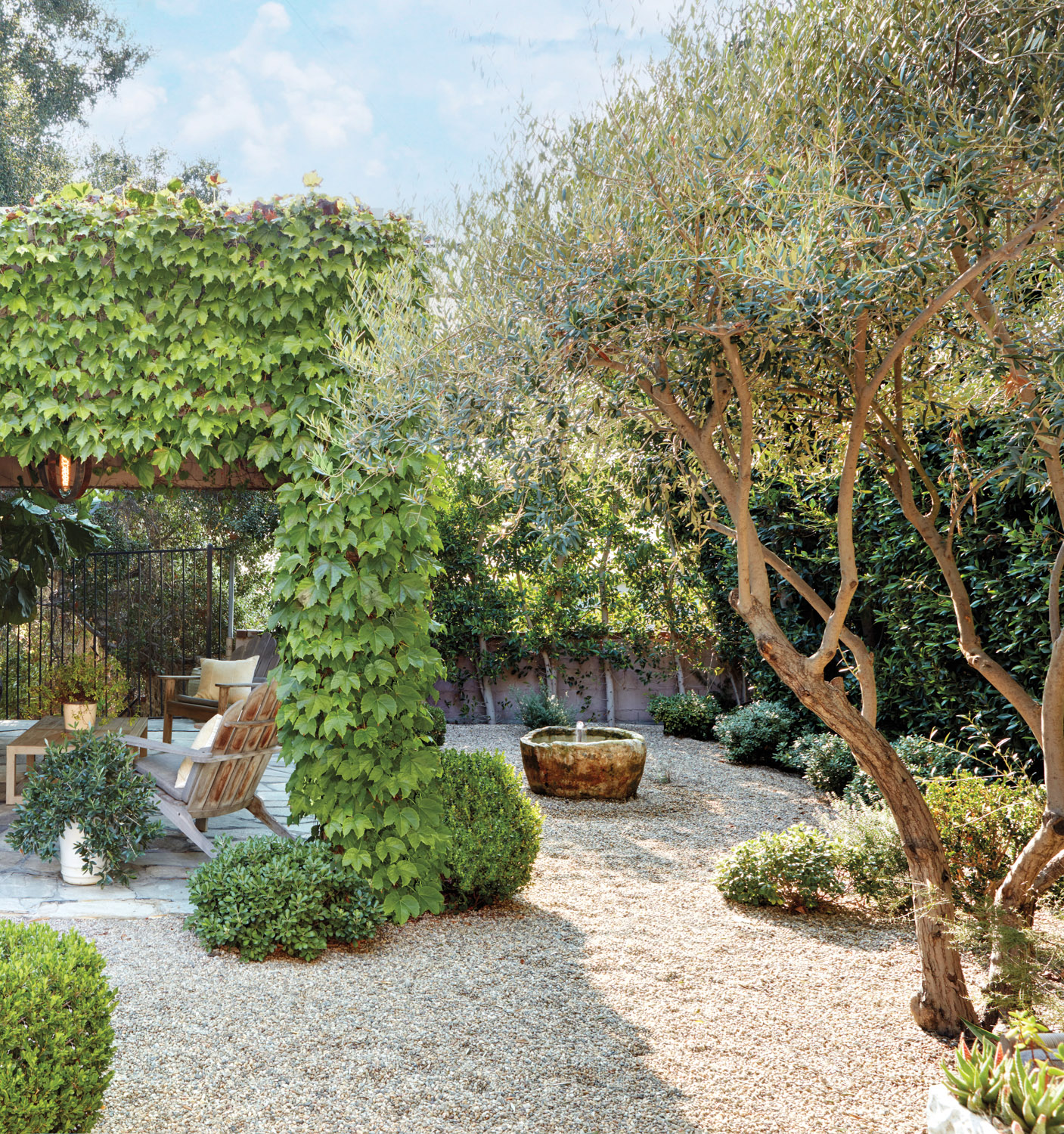
Designing Your Dream Garden: Tips and Inspiration
Designing a garden is a creative and rewarding process that allows you to transform outdoor spaces into beautiful and functional areas that reflect your personal style and preferences. Whether you’re starting from scratch or looking to revamp an existing garden, here are some tips and inspiration to help you design your dream garden:
Define Your Goals
Before you start designing your garden, think about what you want to achieve with the space. Do you want a peaceful retreat for relaxation, a vibrant flower garden, or a productive vegetable patch? Clarifying your goals will help guide your design decisions.
Consider Your Space
Take note of the size, shape, and layout of your garden space. Consider factors such as sunlight exposure, soil quality, drainage, and existing features like trees or structures. Understanding these elements will help you choose the right plants and design elements for your garden.
Create a Layout Plan
Sketch out a rough layout plan for your garden, including areas for planting beds, pathways, seating areas, and other features. Consider how different elements will work together to create a cohesive design that flows well.
Choose Plants Wisely
Select plants that are well-suited to your climate, soil type, and sunlight conditions. Mix different plant varieties for visual interest and consider factors like bloom time, height, and maintenance requirements when planning your plantings.
Add Design Elements
Incorporate design elements like water features, sculptures, trellises, or lighting to enhance the visual appeal of your garden. These elements can add personality and create focal points within the space.
Maintain Your Garden
Maintaining your garden is essential to keep it looking its best year-round. Develop a regular maintenance schedule for tasks like watering, weeding, pruning, and fertilizing to ensure that your garden stays healthy and vibrant.
By following these tips and drawing inspiration from gardens you admire, you can create a beautiful outdoor space that brings joy and relaxation to your life.
9 Essential FAQs for Designing Your Perfect Garden
- How do I start designing a garden?
- What factors should I consider when designing a garden?
- How do I choose the right plants for my garden design?
- What are some common layout plans for gardens?
- What design elements can I incorporate into my garden?
- How can I create a low-maintenance garden design?
- What tools and resources are helpful for designing a garden?
- How do I account for different seasons in my garden design?
- Are there any sustainable gardening practices to consider in garden design?
How do I start designing a garden?
To start designing a garden, begin by defining your goals and vision for the space. Consider what you want to achieve with your garden, whether it’s creating a peaceful retreat, a vibrant flower garden, or a productive vegetable patch. Next, assess your garden space, taking note of its size, layout, sunlight exposure, soil quality, and existing features. With this information in mind, sketch out a rough layout plan that includes planting beds, pathways, seating areas, and other elements. Choose plants that are well-suited to your climate and growing conditions, and incorporate design elements like water features or lighting to enhance the visual appeal of your garden. Regular maintenance is key to keeping your garden looking its best year-round. By following these steps and drawing inspiration from various sources, you can kickstart the process of designing a beautiful and functional garden that suits your needs and preferences.
What factors should I consider when designing a garden?
When designing a garden, there are several key factors to consider to ensure a successful and harmonious outdoor space. First and foremost, it is essential to assess the environmental conditions of your garden area, including sunlight exposure, soil quality, drainage, and existing features such as trees or structures. Understanding these factors will help you select plants that will thrive in your garden. Additionally, consider the size and layout of your space to determine how different elements like planting beds, pathways, seating areas, and design features can be integrated cohesively. By carefully considering these factors and planning thoughtfully, you can create a garden that is both aesthetically pleasing and functional for your needs.
How do I choose the right plants for my garden design?
When choosing the right plants for your garden design, it’s important to consider factors such as your climate, soil type, sunlight exposure, and maintenance preferences. Start by selecting plants that are well-suited to the specific conditions of your garden space to ensure their health and longevity. Research different plant varieties to determine their growth habits, bloom times, and maintenance requirements. Mixing a variety of plants with different colors, textures, and heights can create visual interest and balance in your garden design. Additionally, consider incorporating native plants that are adapted to your local environment and require less maintenance. By carefully selecting plants that thrive in your garden’s conditions and complement your design goals, you can create a beautiful and sustainable garden that flourishes year after year.
What are some common layout plans for gardens?
When designing a garden, there are several common layout plans that you can consider based on your preferences and the size of your space. One popular layout is the formal garden design, characterized by symmetrical patterns and structured plantings that create a sense of order and elegance. Another common layout is the informal garden design, which features curved lines, naturalistic plantings, and a more relaxed feel. Cottage gardens are known for their abundance of colorful flowers and mix of vegetables and herbs, while Japanese gardens emphasize simplicity, balance, and tranquility. Each layout plan offers its unique charm and can be tailored to suit your personal style and gardening goals.
What design elements can I incorporate into my garden?
When designing your garden, there are various design elements that you can incorporate to enhance its visual appeal and functionality. Consider adding elements such as pathways, seating areas, water features, garden structures like pergolas or arbors, decorative planters, lighting fixtures, and artistic sculptures. These design elements can help create a sense of harmony and balance in your garden while adding interest and personality to the space. Additionally, incorporating a mix of textures, colors, and heights in your plantings can further enrich the design of your garden and create a dynamic and inviting outdoor environment.
How can I create a low-maintenance garden design?
Creating a low-maintenance garden design involves strategic planning and plant selection to minimize the need for frequent upkeep. To achieve this, consider incorporating native plants that are well-adapted to your local climate and require minimal watering and care. Opt for perennial plants that come back year after year, reducing the need for replanting. Implement mulch to suppress weeds and retain moisture in the soil, cutting down on the time spent weeding and watering. Additionally, design your garden with simplicity in mind, using clean lines and minimalistic features to reduce the need for constant maintenance tasks. By following these principles, you can create a beautiful garden that thrives with minimal effort.
What tools and resources are helpful for designing a garden?
When it comes to designing a garden, having the right tools and resources can make the process more efficient and enjoyable. Some helpful tools for garden design include measuring tape, graph paper for sketching layouts, gardening gloves, hand trowel, pruners, and a wheelbarrow for transporting materials. In addition to physical tools, online resources such as garden design software, plant databases, and gardening books can provide inspiration and guidance for creating a well-planned and visually appealing garden. By utilizing these tools and resources effectively, gardeners can bring their vision to life and design a space that reflects their unique style and preferences.
How do I account for different seasons in my garden design?
When designing a garden, accounting for different seasons is essential to ensure year-round beauty and functionality. Incorporating a variety of plants that bloom or exhibit color and texture changes throughout the seasons can help maintain visual interest in your garden. Consider selecting a mix of evergreen plants for structure and color continuity, as well as seasonal bloomers to add pops of color during specific times of the year. Additionally, incorporating elements like flowering bulbs for spring, summer annuals for vibrant summer displays, and ornamental grasses for fall interest can create a dynamic garden that evolves with the changing seasons. By carefully planning your plant selection and design elements, you can create a garden that delights and inspires throughout the year.
Are there any sustainable gardening practices to consider in garden design?
When designing a garden, there are several sustainable gardening practices to consider that can help promote environmental stewardship and reduce the impact on the ecosystem. Incorporating native plants into your garden design can help support local wildlife and pollinators, as these plants are well-adapted to the region’s climate and soil conditions. Implementing water-saving techniques such as rainwater harvesting, drip irrigation, and mulching can help conserve water resources and reduce runoff. Additionally, using organic fertilizers and natural pest control methods can minimize the use of harmful chemicals in the garden, promoting a healthier environment for both plants and wildlife. By integrating these sustainable practices into your garden design, you can create a beautiful and eco-friendly outdoor space that thrives in harmony with nature.