
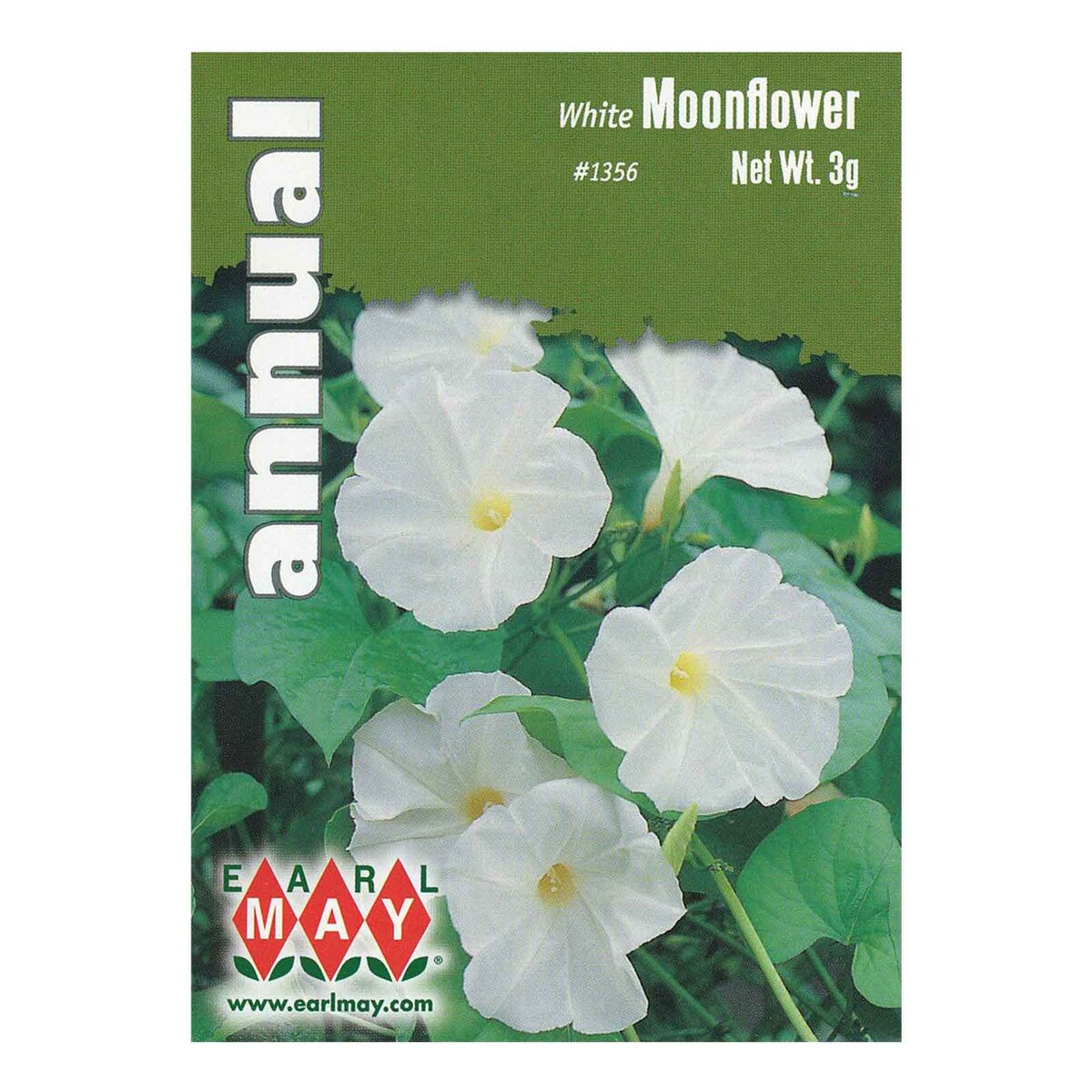
The Beauty of Moonflower Seeds
Moonflowers, scientifically known as Ipomoea alba, are enchanting night-blooming plants that produce stunning white flowers. These flowers bloom in the evening, releasing a sweet fragrance that attracts pollinators such as moths and bats. Moonflowers are a favorite among gardeners for their ethereal beauty and captivating presence.
One of the best ways to grow moonflowers is from seeds. Moonflower seeds are easy to plant and care for, making them a popular choice for both novice and experienced gardeners. These seeds can be sown directly into the soil or started indoors before transplanting them outside.
When planting moonflower seeds, it’s important to choose a sunny location with well-drained soil. Moonflowers thrive in warm climates and require regular watering to keep the soil moist but not waterlogged. Once planted, moonflower seeds germinate relatively quickly, usually within 7-14 days.
As the moonflower plants grow, they will develop large heart-shaped leaves and twining vines that can reach impressive lengths. The white flowers typically bloom in the evening and stay open until the following morning, creating a breathtaking display in the moonlight.
In addition to their beauty, moonflowers also have symbolic meanings associated with love, spirituality, and transformation. Many cultures around the world have revered these flowers for their mystical qualities and nocturnal allure.
Whether you’re looking to add a touch of magic to your garden or simply enjoy the beauty of night-blooming flowers, consider planting moonflower seeds. With proper care and attention, you can experience the wonder of watching these exquisite blooms unfurl under the light of the moon.
8 Essential Tips for Growing and Harvesting Moonflower Seeds Successfully
- Moonflower seeds should be planted in well-draining soil.
- Plant moonflower seeds in a location with full sun for optimal growth.
- Soak moonflower seeds in water overnight before planting to help with germination.
- Sow moonflower seeds about 1 inch deep into the soil.
- Water moonflower seeds regularly, especially during dry periods.
- Provide support for moonflowers to climb as they grow, such as a trellis or fence.
- Deadhead spent flowers to encourage more blooms from your moonflowers.
- Harvest mature moonflower seeds by allowing the seed pods to dry on the plant before collecting them.
Moonflower seeds should be planted in well-draining soil.
To ensure successful growth and blooming of moonflower seeds, it is crucial to plant them in well-draining soil. Proper drainage helps prevent waterlogging, which can lead to root rot and other issues that may hinder the development of healthy moonflower plants. By selecting a sunny location with soil that allows excess water to flow away easily, gardeners can create optimal conditions for moonflower seeds to germinate, grow, and flourish into beautiful night-blooming flowers.
Plant moonflower seeds in a location with full sun for optimal growth.
For optimal growth, it is recommended to plant moonflower seeds in a location that receives full sun. Moonflowers thrive in sunny conditions, allowing them to photosynthesize efficiently and develop strong, healthy vines and abundant blooms. Choosing a spot with ample sunlight will help ensure that your moonflower plants reach their full potential and produce the beautiful white flowers that they are known for. Remember to provide regular watering and well-drained soil to support the growth of your moonflower seeds in their sunny environment.
Soak moonflower seeds in water overnight before planting to help with germination.
Soaking moonflower seeds in water overnight before planting is a helpful tip to enhance germination success. By soaking the seeds, you can soften the seed coat and kickstart the germination process. This technique can help speed up the germination time and increase the overall success rate of growing moonflowers from seeds. Additionally, soaking the seeds can also help with hydration, allowing the seeds to absorb water more easily and promote healthy root development once planted in the soil.
Sow moonflower seeds about 1 inch deep into the soil.
To ensure successful germination, it is recommended to sow moonflower seeds approximately 1 inch deep into the soil. This planting depth provides the seeds with the ideal environment to establish strong roots and emerge as healthy seedlings. By following this tip, gardeners can help promote optimal growth and development of moonflower plants, leading to a bountiful display of their enchanting white blooms.
Water moonflower seeds regularly, especially during dry periods.
To ensure the successful growth of moonflower seeds, it is essential to water them regularly, especially during dry periods. Adequate watering helps to keep the soil moist, promoting germination and healthy growth of the seeds. During periods of drought or hot weather, consistent watering is crucial to prevent the soil from drying out and to support the development of robust moonflower plants. By maintaining a proper watering schedule, gardeners can help their moonflower seeds thrive and bloom beautifully.
Provide support for moonflowers to climb as they grow, such as a trellis or fence.
To help moonflowers thrive and reach their full potential, it is essential to provide them with the necessary support as they grow. Installing a trellis or fence for moonflowers to climb on not only helps them maintain their upright growth but also enhances their overall aesthetic appeal in the garden. By offering structural support, such as a trellis, you can encourage moonflowers to climb and vine gracefully, creating a visually stunning display of white blooms against the backdrop of your chosen structure. Additionally, providing support for moonflowers can help prevent tangling and ensure that the plants receive adequate sunlight and airflow for optimal growth and blooming.
Deadhead spent flowers to encourage more blooms from your moonflowers.
Deadheading spent flowers is a simple yet effective tip to encourage continuous blooming from your moonflowers. By removing faded blooms, you stimulate the plant to produce new flowers, prolonging the flowering period and enhancing the overall beauty of your garden. Regular deadheading not only promotes more blooms but also helps maintain the plant’s vigor and appearance, ensuring a vibrant and flourishing display of moonflowers throughout the growing season.
Harvest mature moonflower seeds by allowing the seed pods to dry on the plant before collecting them.
To ensure successful harvesting of moonflower seeds, it is recommended to wait until the seed pods have fully dried on the plant before collecting them. Allowing the seed pods to mature and dry naturally ensures that the seeds are fully developed and ready for storage or planting. By following this tip, gardeners can maximize the viability and quality of the moonflower seeds they collect, leading to a more successful growing season in the future.