
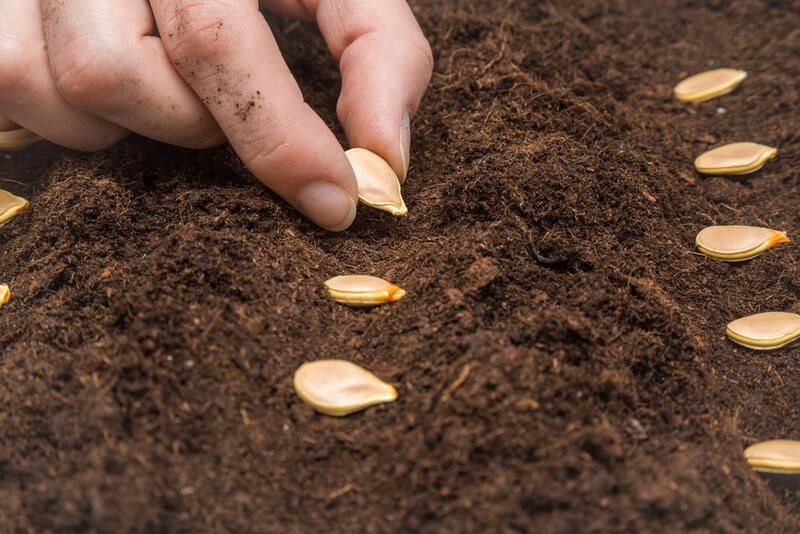
The Benefits of Planting Pumpkin Seeds
Planting pumpkin seeds can be a rewarding and enjoyable experience for gardeners of all levels. Whether you’re a seasoned gardener or just starting out, here are some reasons why you should consider planting pumpkin seeds:
Easy to Grow
Pumpkin seeds are relatively easy to grow, making them a great choice for beginners. With the right soil, sunlight, and water, pumpkin seeds can thrive and produce healthy plants.
Nutrient-Rich Harvest
Pumpkin seeds are not only delicious but also packed with nutrients. They are rich in vitamins, minerals, and antioxidants that are beneficial for your health.
Versatile Use
Once you harvest your pumpkins, you can use them in a variety of ways. From baking pumpkin pies to making soups and roasting pumpkin seeds as a tasty snack, there are endless possibilities for enjoying your homegrown pumpkins.
Decorative Purposes
Pumpkin plants can also be grown for decorative purposes. Their vibrant orange color and unique shapes make them perfect for adding a festive touch to your garden or home during the fall season.
Educational Experience
Planting pumpkin seeds can also be a fun and educational experience for children and adults alike. Watching the seeds sprout into seedlings and grow into mature plants can teach valuable lessons about plant life cycles and gardening.
In conclusion, planting pumpkin seeds is not only beneficial for your garden but also for your health and well-being. So why not give it a try and enjoy the many rewards that come with growing your own pumpkins?
Top 5 FAQs About Planting Pumpkin Seeds: Tips and Timing for Success
- Can I just throw pumpkin seeds on the ground?
- Do you need to soak pumpkin seeds before planting?
- How do you prepare raw pumpkin seeds for planting?
- What are the best months to plant a pumpkin seed?
- Is October too late to plant pumpkins?
Can I just throw pumpkin seeds on the ground?
When it comes to planting pumpkin seeds, simply throwing them on the ground may not yield the best results. While pumpkins are known for their ability to grow in various conditions, proper planting techniques can significantly improve your chances of a successful harvest. It’s recommended to prepare the soil by tilling it and creating mounds or rows for planting the seeds. This allows for better drainage and root development. Additionally, spacing out the seeds and covering them with a thin layer of soil can help protect them and promote germination. By following these steps, you can increase the likelihood of growing healthy and robust pumpkin plants in your garden.
Do you need to soak pumpkin seeds before planting?
One frequently asked question regarding planting pumpkin seeds is whether soaking them before planting is necessary. While some gardeners believe that soaking pumpkin seeds can help speed up the germination process, it is not a strict requirement. Pumpkin seeds have a hard outer shell that can benefit from soaking to soften and potentially improve germination rates. However, many gardeners have successfully planted pumpkin seeds without soaking them first. Ultimately, the decision to soak pumpkin seeds before planting is a matter of personal preference and gardening practices.
How do you prepare raw pumpkin seeds for planting?
To prepare raw pumpkin seeds for planting, start by removing the seeds from the pumpkin pulp and rinsing them thoroughly to remove any remaining pulp or debris. Next, spread the seeds out in a single layer on a paper towel or tray and allow them to dry completely. Once dry, you can store the seeds in a cool, dry place until you are ready to plant them. When planting, make sure to choose a sunny location with well-draining soil and plant the seeds at the recommended depth for optimal growth. With proper care and attention, your prepared pumpkin seeds will soon sprout and grow into healthy pumpkin plants ready to produce delicious fruits.
What are the best months to plant a pumpkin seed?
When considering the best time to plant pumpkin seeds, it is recommended to sow them in late spring or early summer, after the last frost has passed and the soil has warmed up. In most regions, this typically falls between May and June. Pumpkins thrive in warm soil and require plenty of sunlight to grow successfully. By planting during these months, you give your pumpkin seeds the optimal conditions they need to germinate and develop into healthy plants that will yield a bountiful harvest come fall.
Is October too late to plant pumpkins?
Planting pumpkins in October can still be feasible depending on your local climate and the specific pumpkin variety you choose. While pumpkins typically require a longer growing season, some varieties have shorter maturation periods that can be suitable for planting in October. It’s important to consider factors such as frost dates, soil temperature, and sunlight availability to determine if planting pumpkins in October is viable in your area. Additionally, providing adequate care and protection from potential frost can help maximize the chances of a successful pumpkin harvest even when planting later in the season.