
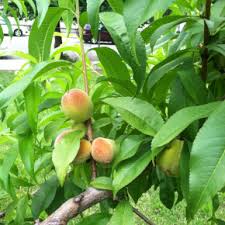
Planting Peach Seeds: A Guide to Growing Your Own Peach Tree
If you’ve ever enjoyed a juicy peach and thought about growing your own tree, planting peach seeds is a great way to start. While growing a peach tree from seed may take some time and effort, the rewards of harvesting your own homegrown peaches are well worth it.
Step 1: Choose Ripe Peaches
Start by selecting ripe, fresh peaches from which to extract the seeds. Make sure the peaches are fully ripe as this will increase the chances of successful germination.
Step 2: Extracting the Seeds
To extract the seeds, carefully cut open the peach and remove the pit. Wash off any remaining fruit flesh and allow the pit to dry completely.
Step 3: Stratification
Peach seeds require a period of cold stratification to break dormancy and germinate. Place the clean, dry seeds in a plastic bag with moist peat moss or paper towels. Seal the bag and refrigerate it for about 8-12 weeks.
Step 4: Planting the Seeds
After stratification, fill small pots with well-draining potting soil. Plant the peach seeds about an inch deep in each pot and water them thoroughly.
Step 5: Care and Maintenance
Place the pots in a warm, sunny location and keep the soil consistently moist but not waterlogged. As the seedlings grow, ensure they receive adequate sunlight and nutrients.
Step 6: Transplanting
Once your seedlings have grown large enough, you can transplant them into larger containers or directly into your garden. Choose a sunny spot with well-drained soil for optimal growth.
With patience and proper care, your peach tree will eventually bear fruit, rewarding you with delicious homegrown peaches for years to come.
Happy planting!
5 Benefits of Growing Peach Trees from Seed: A Journey to Sustainability and Satisfaction
- Cost-effective way to grow your own peach tree.
- Allows you to experience the full life cycle of a peach tree from seed to fruit-bearing.
- Offers a sense of accomplishment and satisfaction in nurturing a plant from its earliest stages.
- Provides an opportunity to experiment with different peach varieties and potentially create unique hybrids.
- Helps promote sustainability by reducing reliance on store-bought produce.
Challenges of Planting Peach Seeds: Time, Quality, Disease, and Success Rates
Cost-effective way to grow your own peach tree.
Planting peach seeds is a cost-effective way to grow your own peach tree, as it eliminates the need to purchase expensive nursery-grown trees. By starting from seeds extracted from store-bought peaches, you can enjoy the satisfaction of nurturing a tree from its very beginning stages without breaking the bank. This method not only saves money but also allows you to experience the full lifecycle of a peach tree, from seed to fruit-bearing maturity. It’s a rewarding and budget-friendly way to bring the beauty and flavor of fresh peaches right into your own backyard.
Allows you to experience the full life cycle of a peach tree from seed to fruit-bearing.
Planting peach seeds offers a unique opportunity to witness and participate in the complete life cycle of a peach tree, from seed to fruit-bearing. By starting from a simple seed and nurturing it into a mature tree that eventually produces delicious peaches, you gain a deeper appreciation for the natural process of growth and fruition. This hands-on experience not only provides a sense of accomplishment but also fosters a greater connection to nature as you witness the transformation of a tiny seed into a thriving fruit-bearing tree, showcasing the beauty and wonder of life’s cycles.
Offers a sense of accomplishment and satisfaction in nurturing a plant from its earliest stages.
Planting peach seeds offers a profound sense of accomplishment and satisfaction as you nurture a plant from its earliest stages. Witnessing the growth and development of a peach seed into a thriving tree can be incredibly rewarding, instilling a deep connection to the natural world and a sense of pride in your gardening skills. The process of caring for a plant from its humble beginnings allows you to appreciate the beauty of nature’s cycles and the transformative power of patience and dedication. Each milestone achieved in the growth of your peach tree brings with it a unique sense of fulfillment, making the journey from seed to fruit all the more gratifying.
Provides an opportunity to experiment with different peach varieties and potentially create unique hybrids.
Planting peach seeds offers a valuable opportunity for gardeners to explore the diversity of peach varieties and potentially develop unique hybrids. By growing peaches from seeds, enthusiasts can experiment with cross-pollination and observe how different traits manifest in the resulting plants. This hands-on approach not only allows for the discovery of new flavor profiles and characteristics but also fosters a deeper understanding of plant genetics and breeding techniques. With each seed planted, there is the exciting possibility of cultivating a one-of-a-kind peach variety that reflects the creativity and curiosity of the gardener.
Helps promote sustainability by reducing reliance on store-bought produce.
Planting peach seeds offers a significant pro by helping promote sustainability through reducing reliance on store-bought produce. By growing your own peach tree from seed, you contribute to a more sustainable food system by decreasing the need for commercially grown peaches that may have traveled long distances and incurred a larger carbon footprint. Producing your own homegrown peaches not only ensures fresher and more flavorful fruit but also helps lessen the environmental impact associated with conventional agriculture and transportation. Embracing the practice of planting peach seeds empowers individuals to take control of their food sources and make a positive impact on the environment by fostering self-sufficiency and reducing reliance on mass-produced goods.
Time-consuming process
One significant drawback of planting peach seeds is the time-consuming nature of the process. Growing a peach tree from seed requires patience, as it can take several years for the tree to reach maturity and produce fruit. Unlike planting grafted trees, which can bear fruit much sooner, starting from seed means waiting for the tree to establish its roots, grow into a healthy sapling, and eventually develop into a fruit-bearing tree. This extended timeline may not be ideal for those looking for quick results or a more immediate harvest of peaches.
Variability in fruit quality
One significant drawback of planting peach seeds is the variability in fruit quality that can result. Peach trees grown from seeds may yield fruits that exhibit differences in taste, size, and overall quality when compared to the parent peach. This unpredictability can be a challenge for those seeking consistency in fruit characteristics, as the genetic diversity inherent in seed-grown trees can lead to variations that may not meet expectations. Gardeners aiming for specific flavor profiles or fruit attributes may find it more reliable to propagate peach trees through methods such as grafting to ensure a desired outcome.
Susceptibility to disease
Planting peach seeds comes with the con of susceptibility to disease. Seed-grown peach trees are more vulnerable to diseases and pests when compared to grafted trees that have known rootstocks. Without the benefits of established rootstock resistance, seed-grown peach trees may require extra care and attention to prevent and manage potential diseases and pest infestations. Gardeners should be prepared to implement proactive measures to protect their seed-grown peach trees from common threats in order to ensure healthy growth and fruit production.
Limited success rate
One drawback of planting peach seeds is the limited success rate in germination. Not all peach seeds will sprout and develop into healthy seedlings, creating uncertainty in the number of viable trees that will ultimately grow. This variability in germination rates can be frustrating for gardeners who may not know how many seedlings will successfully establish themselves as healthy peach trees, making it a less predictable method of propagation compared to other techniques like grafting or purchasing established saplings.