
The Importance of Conserving Water
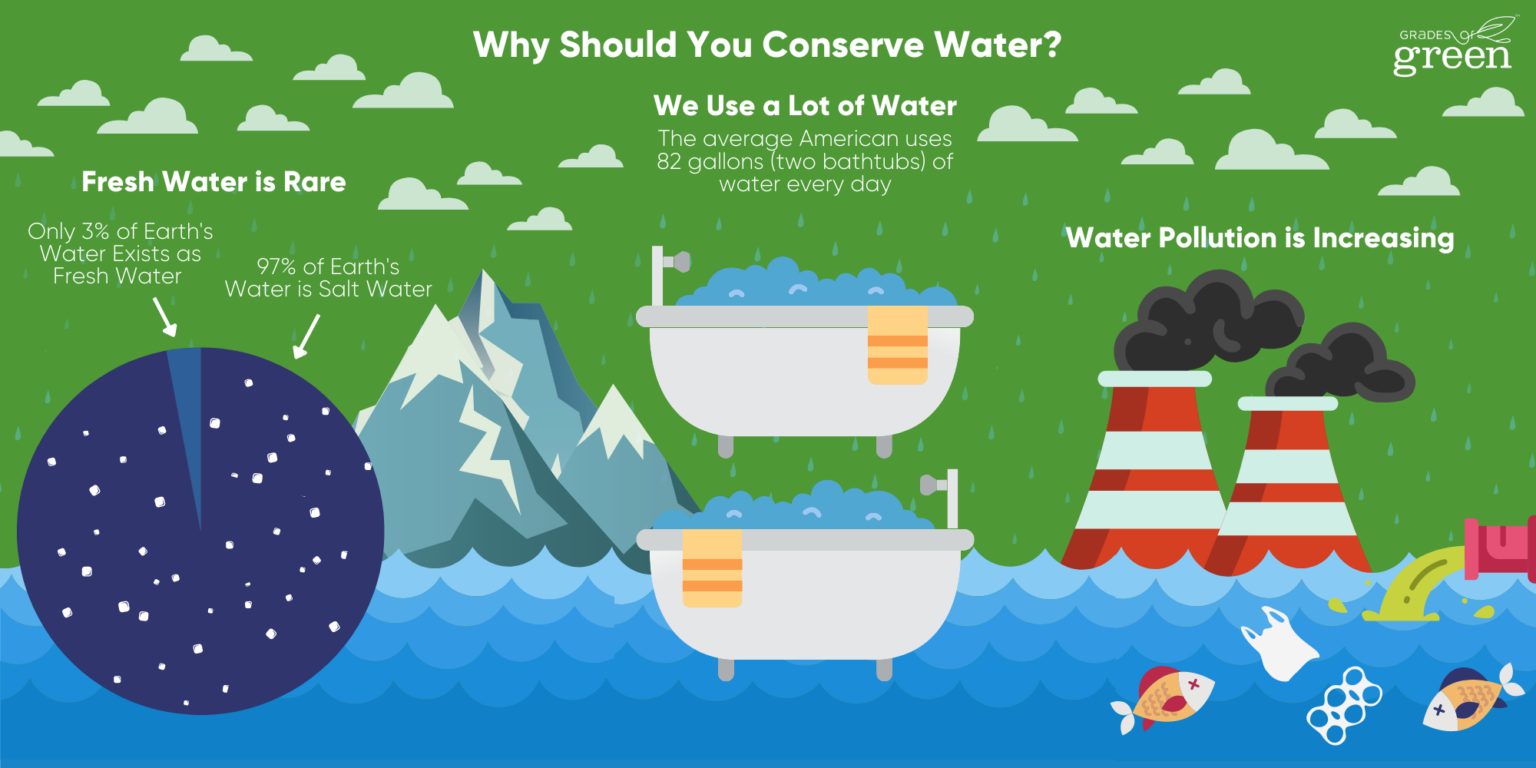
Water is essential for all life on Earth, yet this precious resource is becoming increasingly scarce. Conserving water is not only crucial for the environment but also for our own well-being.
Why Conserve Water?
Conserving water helps to preserve the environment by reducing the strain on water sources such as rivers, lakes, and groundwater. By using water more efficiently, we can ensure that future generations will have access to clean and safe water.
How to Conserve Water
There are many simple ways to conserve water in our daily lives. Some effective strategies include:
- Fixing leaks in faucets and pipes
- Taking shorter showers
- Using a broom instead of a hose to clean driveways and sidewalks
- Collecting rainwater for watering plants
- Installing water-efficient appliances and fixtures
The Benefits of Water Conservation
Conserving water not only helps the environment but also leads to cost savings for individuals and communities. By reducing water usage, we can lower utility bills and promote sustainable living practices.
Get Involved in Water Conservation
Everyone can play a role in conserving water. Whether it’s making small changes in your daily routine or participating in community initiatives, every effort counts towards preserving this vital resource.
Together, we can make a difference in protecting our planet’s most precious resource – water.
Top FAQs on Water Conservation: Methods, Reasons, and Definitions
- What are the 100 ways to conserve water?
- What are 10 ways to conserve water?
- What are 5 reasons conserve water?
- What does it mean to conserve water?
- What do you mean by conservation of water?
What are the 100 ways to conserve water?
Conserving water is a critical practice that benefits both the environment and our communities. While there may not be a definitive list of 100 ways to conserve water, there are countless effective strategies that individuals and households can adopt to reduce water usage. Simple actions such as fixing leaks, using water-efficient appliances, collecting rainwater for gardening, taking shorter showers, and reusing greywater are just a few examples of how we can make a significant impact on water conservation efforts. By incorporating these practices into our daily lives, we can contribute to preserving this essential resource for future generations.
What are 10 ways to conserve water?
Conserving water is essential for sustainable living and preserving our planet’s precious resources. There are numerous ways to reduce water usage in our daily lives. Ten effective ways to conserve water include fixing leaks in faucets and pipes, taking shorter showers, using a broom instead of a hose for cleaning outdoor areas, collecting rainwater for watering plants, installing water-efficient appliances and fixtures, reducing lawn irrigation, washing full loads of laundry and dishes, turning off the tap while brushing teeth or washing hands, using a dishwasher instead of hand-washing dishes, and reusing water when possible. By implementing these simple yet impactful strategies, we can all contribute to water conservation efforts and make a positive impact on the environment.
What are 5 reasons conserve water?
Conserving water is essential for several reasons. Firstly, conserving water helps to preserve our environment by reducing the strain on natural water sources such as rivers, lakes, and groundwater. Secondly, it ensures that future generations will have access to clean and safe water. Thirdly, water conservation can lead to cost savings for individuals and communities by lowering utility bills. Fourthly, it promotes sustainable living practices and helps to minimize our ecological footprint. Lastly, conserving water plays a crucial role in addressing global water scarcity issues and maintaining a healthy balance in our ecosystems.
What does it mean to conserve water?
Conserving water means using this precious resource wisely and efficiently to reduce waste and preserve water supplies for present and future generations. It involves adopting practices and behaviors that minimize water usage, such as fixing leaks, using water-saving appliances, taking shorter showers, and reusing water when possible. By conserving water, we help protect the environment, ensure access to clean water for all, and promote sustainable living practices that benefit both individuals and communities.
What do you mean by conservation of water?
The conservation of water refers to the responsible and sustainable management of water resources to ensure their long-term availability for present and future generations. It involves reducing water wastage, using water efficiently in daily activities, maintaining water quality, and protecting water sources from pollution and depletion. By practicing water conservation, individuals and communities can help preserve this vital resource, mitigate water scarcity issues, and contribute to a healthier environment for all living beings.