
Conserving Water: A Vital Practice for a Sustainable Future
Water is one of the Earth’s most precious resources, essential for all forms of life. As our population grows and climate change impacts water availability, it becomes increasingly important to conserve water to ensure a sustainable future for generations to come.
Conserving water is not only beneficial for the environment but also for our wallets. By reducing water usage, we can lower our utility bills and decrease the strain on local water supplies.
Simple Ways to Conserve Water:
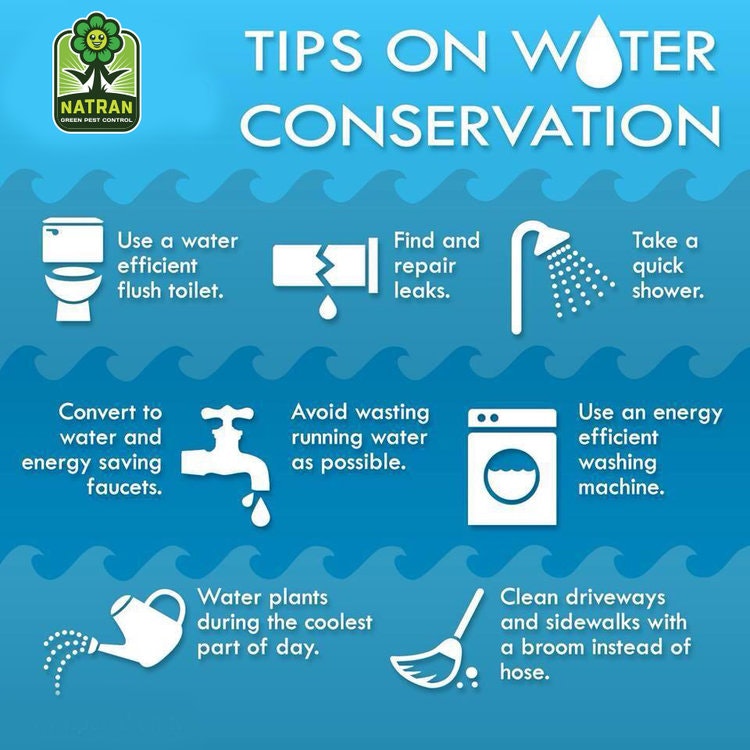
- Fix leaky faucets and pipes promptly to prevent water wastage.
- Install low-flow fixtures in your home, such as showerheads and toilets, to reduce water consumption.
- Water your lawn and garden during the early morning or late evening to minimize evaporation.
- Collect rainwater in barrels for outdoor watering purposes.
- Avoid running the dishwasher or washing machine until you have a full load.
- Shorten your showers and turn off the tap while brushing your teeth or washing dishes.
By making small changes in our daily habits, we can collectively make a significant impact on water conservation efforts. Every drop saved today contributes to a more sustainable tomorrow.
The Importance of Conserving Water:
Conserving water is crucial for preserving ecosystems, supporting agriculture, and ensuring access to clean drinking water for all. As freshwater sources become increasingly stressed, it is imperative that we prioritize responsible water usage and conservation practices.
Through education, awareness, and individual actions, we can work together to protect this invaluable resource and create a more sustainable future for our planet. Let us all do our part in conserving water today for a better tomorrow.
Top 5 Tips for Effective Water Conservation at Home
- Fix any leaks in faucets, toilets, or pipes promptly.
- Take shorter showers to reduce water usage.
- Turn off the tap while brushing your teeth or washing dishes.
- Water your lawn and garden early in the morning or late in the evening to minimize evaporation.
- Collect rainwater for outdoor plants and gardening.
Fix any leaks in faucets, toilets, or pipes promptly.
It is crucial to promptly address any leaks in faucets, toilets, or pipes as a simple yet effective way to conserve water. Even small leaks can waste significant amounts of water over time, adding up to higher utility bills and unnecessary strain on water resources. By taking swift action to repair leaks, we not only save water but also contribute to a more sustainable and environmentally conscious lifestyle. Prioritizing regular maintenance and repairs helps us play a vital role in water conservation efforts for the benefit of both our communities and the planet.
Take shorter showers to reduce water usage.
Taking shorter showers is a simple yet effective way to conserve water and reduce water usage. By cutting down the time spent in the shower, we can significantly decrease the amount of water used per showering session. This small adjustment in our daily routine not only helps in saving water but also contributes to lower utility bills and a more sustainable approach to water consumption. Embracing shorter showers is a practical step that individuals can take to make a positive impact on water conservation efforts and promote environmental sustainability.
Turn off the tap while brushing your teeth or washing dishes.
One simple yet effective tip for conserving water is to turn off the tap while brushing your teeth or washing dishes. By turning off the tap when not actively using water, you can save a significant amount of water that would otherwise go to waste. This small adjustment in daily habits not only helps reduce water consumption but also contributes to a more sustainable and eco-friendly lifestyle. It’s a mindful practice that can make a big difference in conserving our precious water resources for future generations.
Water your lawn and garden early in the morning or late in the evening to minimize evaporation.
Watering your lawn and garden early in the morning or late in the evening is a smart way to conserve water. By choosing these cooler times of the day, you can reduce evaporation and ensure that more water reaches the roots of your plants where it is needed most. This simple adjustment not only helps to save water but also promotes healthier growth for your garden while being mindful of our precious water resources.
Collect rainwater for outdoor plants and gardening.
Collecting rainwater for outdoor plants and gardening is a simple yet effective way to conserve water and nurture your green spaces. By utilizing rain barrels or other collection systems, you can harness nature’s gift of free water and reduce reliance on treated water sources. This practice not only helps in saving money on water bills but also ensures that your plants receive pure, untreated water that is beneficial for their growth. Embracing rainwater harvesting is a sustainable approach that promotes environmental stewardship while supporting healthy plant life in your garden.