
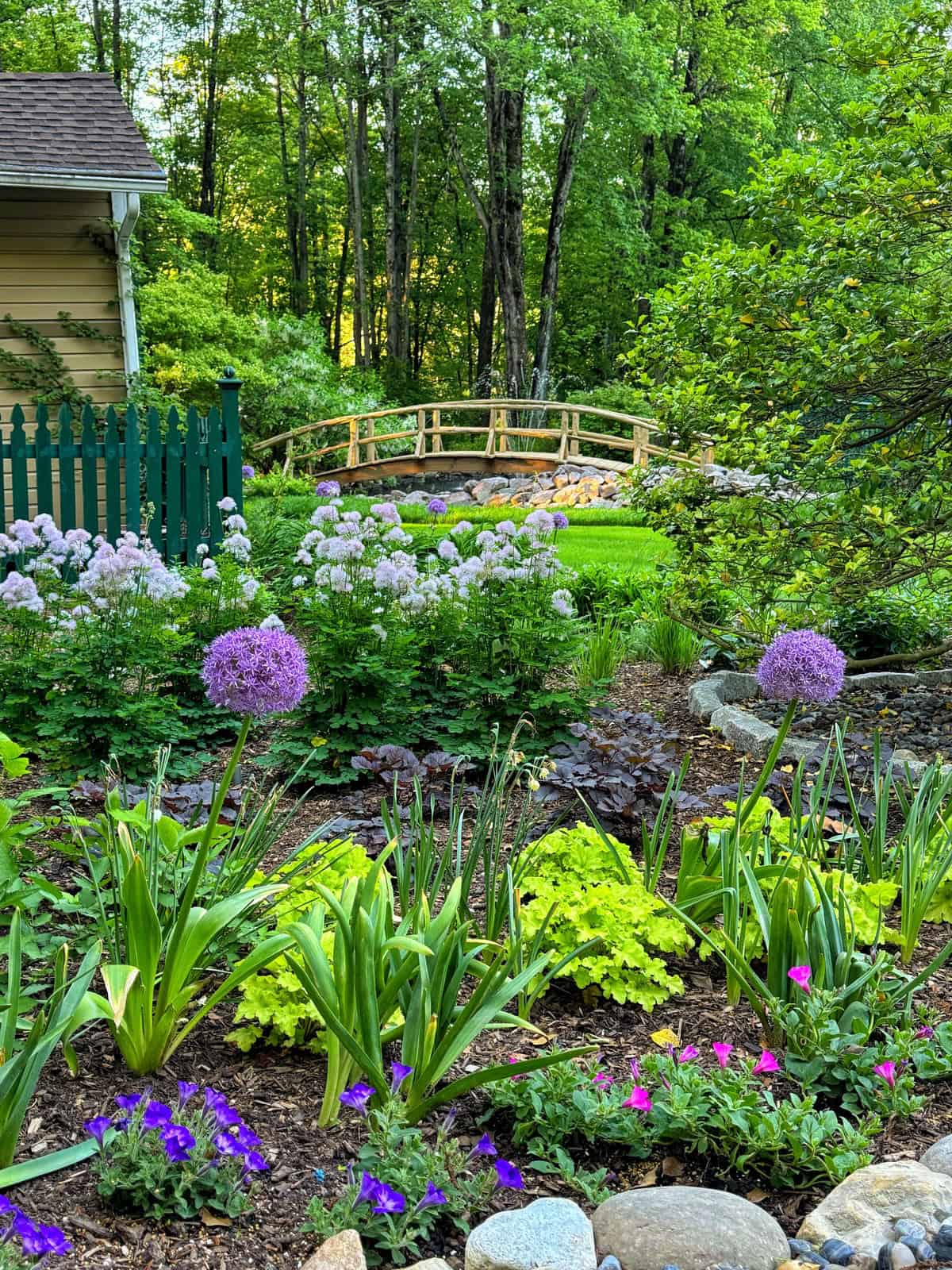
New to Gardening? Start Small and Grow with Confidence
Starting a garden can be exciting, whether you have a backyard, a balcony, or just a sunny windowsill. You don’t need expensive tools or years of experience to get started. With a little planning and regular care, you can grow flowers, herbs, or vegetables in a space that suits your lifestyle.
Choose the Right Spot
Begin by looking at how much sunlight your space receives. Many vegetables and flowering plants do best with at least six hours of direct sunlight each day, while leafy greens and some ornamentals can grow in partial shade. Notice where the sun falls throughout the day before choosing what to plant.
If you don’t have a yard, try containers on a patio or balcony, or grow a few herbs in a bright window. Make sure pots have drainage holes so excess water can escape.
Start with Plants You Enjoy
Choose a few plants that match your space, schedule, and interests. Basil, parsley, and chives are popular choices for beginners because they’re useful in the kitchen and can grow well in containers. For a first vegetable garden, consider easy-to-grow options such as lettuce, radishes, or bush beans. Marigolds and zinnias can add cheerful color to a flower garden.
Before buying seeds or plants, check the planting dates and growing conditions recommended for your area. Local garden centers and university Extension resources can provide region-specific advice.
Build Healthy Soil
Healthy soil helps plants develop strong roots and access water and nutrients. For an in-ground garden, loosen the soil and mix in finished compost if needed. For containers, use a quality potting mix rather than soil from the yard, which can become compacted in a pot.
It’s usually best to add compost and follow soil-test recommendations instead of applying fertilizer automatically. Too much fertilizer can harm plants and contribute to pollution.
Water Wisely
New plants need consistent moisture while they establish roots, but soggy soil can cause problems. Check the soil with your finger: if the top inch feels dry, it may be time to water. Water near the base of the plant, and aim for the morning when possible so leaves have time to dry.
Container gardens often dry out faster than garden beds, especially during hot or windy weather. Check them regularly and use pots large enough to hold moisture without crowding the roots.
Keep the First Season Simple
A small garden is easier to care for and gives you a chance to learn what works. Begin with a few plants, label them, and keep brief notes about planting dates, watering, and results. Expect a few surprises—gardening is a process of observation and adjustment, not perfection.
As you gain experience, you can try new varieties, add more growing space, or explore practices such as composting, mulching, and planting for pollinators. The best garden is one that brings you enjoyment and fits your everyday life.
Enjoy the Growth
Gardening offers more than flowers or fresh produce. It can be a relaxing way to spend time outdoors, notice seasonal changes, and connect with the natural world. Start with one pot or one small bed, give your plants regular attention, and let your garden grow along with your confidence.
Top 6 FAQs for Beginner Gardeners: Starting, Plant Choices, Sunlight, Watering, Soil, and Planting Timing
- How do I start a garden as a beginner?
- What are the easiest plants to grow for new gardeners?
- How much sunlight does my garden need?
- How often should I water my plants?
- What soil and fertilizer should I use for a new garden?
- When is the best time to plant a garden in my area?
How do I start a garden as a beginner?
To start a garden as a beginner, choose a small, sunny spot or a few containers with drainage holes, then select easy-to-grow plants suited to your space and season, such as herbs, lettuce, or marigolds. Use quality potting mix for containers or improve garden soil with compost, and check plant labels for sunlight and spacing needs. Water when the soil begins to feel dry, keep an eye on your plants, and start with just a few so you can learn what works before expanding.
What are the easiest plants to grow for new gardeners?
Some of the easiest plants for new gardeners are those that grow reliably and need relatively little care. For herbs, try basil, chives, or parsley; for vegetables, consider radishes, lettuce, bush beans, or cherry tomatoes; and for flowers, zinnias and marigolds are cheerful, beginner-friendly choices. Choose plants suited to your local climate and the amount of sunlight your garden receives, and check the soil regularly so you can water when it begins to dry.
How much sunlight does my garden need?
The amount of sunlight your garden needs depends on what you’re growing. Most vegetables and many flowering plants thrive with at least six hours of direct sunlight each day, while leafy greens and some shade-loving plants can do well with less. Observe your garden throughout the day to see how much sun it receives, then choose plants suited to those conditions.
How often should I water my plants?
How often you should water depends on the plant, soil, weather, and whether it’s growing in a container or in the ground. Rather than following a fixed schedule, check the soil: if the top inch feels dry, water thoroughly near the base of the plant. Newly planted plants and container gardens may need more frequent checks, especially during hot or windy weather. Water in the morning when possible, and make sure pots have drainage holes to prevent waterlogged roots.
What soil and fertilizer should I use for a new garden?
For a new garden, start with healthy soil rather than relying on fertilizer alone. In garden beds, loosen the soil and mix in a modest amount of finished compost; a soil test can show whether you need to adjust the pH or add specific nutrients. For containers, use a quality potting mix, not soil dug from the yard. Apply fertilizer only when needed and follow the label directions, since too much can damage plants and contribute to water pollution.
When is the best time to plant a garden in my area?
In Middlesex County, the best planting time depends on what you’re growing and the weather each year. Cool-season crops such as lettuce, peas, and spinach can usually be planted in early spring, while tender plants like tomatoes, peppers, and basil should wait until the danger of frost has passed and the soil has warmed—often around mid-May. Check the forecast before planting, and consult Rutgers Cooperative Extension’s local planting guidance for recommendations suited to your garden.