
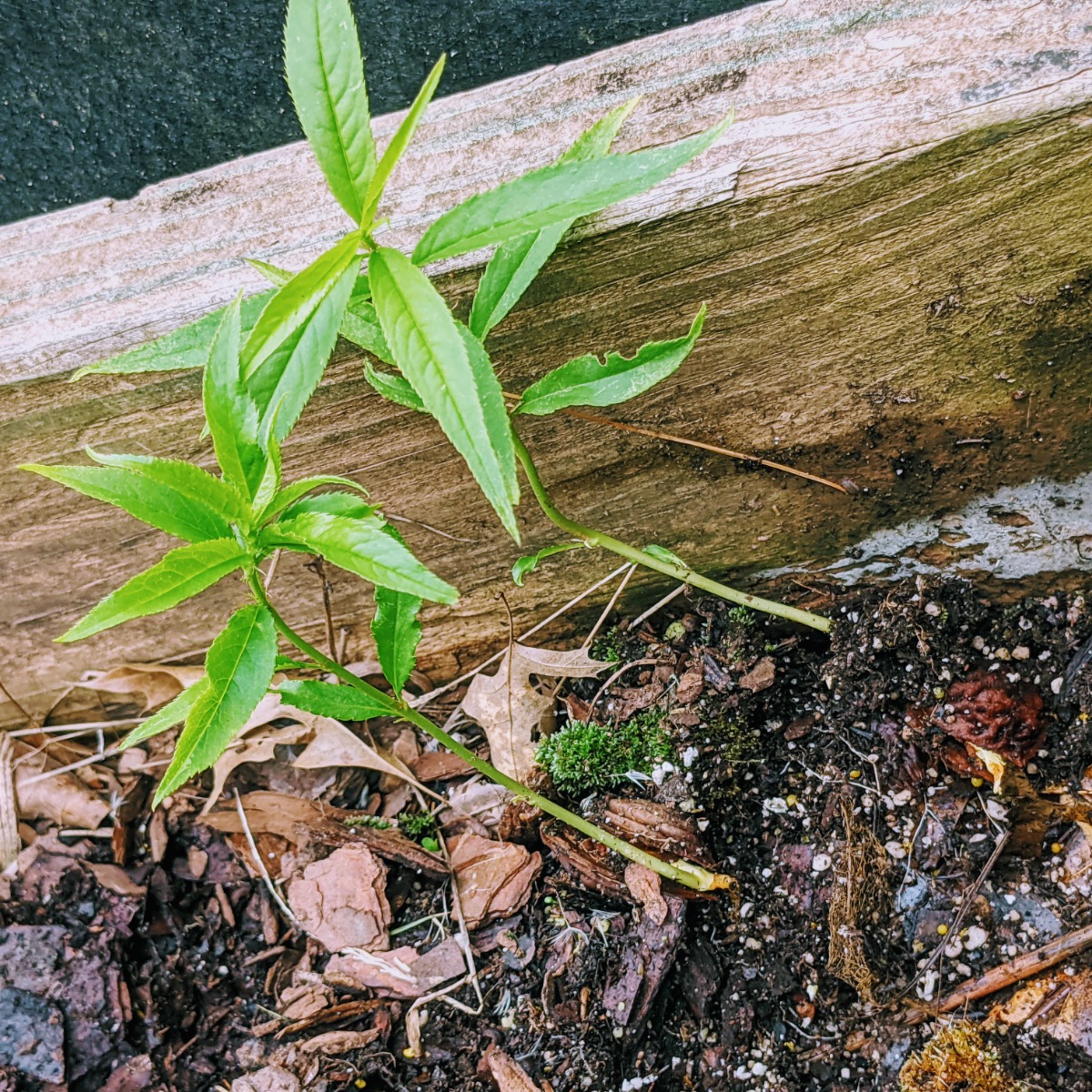
How to Grow a Peach Tree from Seed
Growing a peach tree from seed is a rewarding project for gardeners who enjoy experimenting and watching a plant develop from the beginning. A peach pit may sprout into a healthy tree, but the fruit it eventually produces may not resemble the peach it came from. Most peach varieties are hybrids, so seedlings are genetically different from their parent trees.
What to Expect from a Seed-Grown Peach Tree
A peach tree grown from seed can take about three to six years to produce fruit, and there is no guarantee that the fruit will be tasty or that the tree will thrive in your local climate. Commercial growers usually use grafted trees to ensure predictable fruit and tree characteristics. Still, a seedling can be a fun garden project, and it may produce worthwhile peaches.
Choose and Prepare a Peach Pit
Start with a ripe, healthy peach. Remove the flesh from the pit and rinse it thoroughly. Let the pit air-dry for a few days, then store it in a cool, dry place until you are ready to prepare it. Avoid pits that are cracked, moldy, or damaged.
You can plant the hard pit whole, but it may take longer to germinate. For a quicker start, carefully crack the outer shell with a nutcracker or vise and remove the seed inside. The kernel is delicate, so take care not to crush or cut it. Wear eye protection when cracking the pit, since pieces of shell can fly.
Do not eat peach kernels. Peach kernels contain amygdalin, which can release cyanide when digested.
Give the Seed a Cold Period
Peach seeds need a period of cold, moist conditions—a process called cold stratification—to break dormancy. Place the seed or intact pit in a plastic bag with slightly damp peat moss, clean sand, or a paper towel. The material should feel moist but not soggy. Refrigerate the bag at about 34–40°F (1–4°C) for roughly eight to twelve weeks. Keep it away from fruit such as apples, which release ethylene gas as they ripen.
Check the bag every week or two. If mold appears, remove the affected material and replace it with fresh, slightly damp medium. If the seed begins to sprout in the refrigerator, plant it promptly.
Plant and Care for the Seedling
Plant a sprouted seed about one inch deep in a pot with drainage holes and well-draining potting mix. Keep the soil evenly moist, not waterlogged, and place the pot in a warm, bright location. Once the seedling has several leaves and the weather is suitable, it can be moved outdoors gradually so it can adjust to sunlight and wind.
Choose a permanent planting site with full sun—ideally at least six to eight hours each day—and well-drained soil. Peach trees struggle in poorly drained ground. Plant after the danger of severe frost has passed, and water regularly while the young tree becomes established. A layer of mulch can help conserve moisture, but keep it a few inches away from the trunk.
Patience—and a Little Uncertainty
Protect young trees from browsing animals, weeds, and damaging lawn equipment. Watch for common peach problems, including leaf curl and insect pests, and contact your local Cooperative Extension office for advice suited to your area. The seedling’s eventual fruit quality and hardiness will remain uncertain until the tree matures.
For reliable fruit, choose a grafted peach variety recommended for your region. For the pleasure of growing something surprising, however, a peach tree from seed can be a satisfying experiment from pit to harvest.
How to Grow a Peach Tree from Seed: 5 Essential Tips
- Choose a ripe peach from a variety suited to your climate.
- Clean and dry the pit, then crack it carefully to remove the seed.
- Cold-stratify the seed in a damp paper towel in the refrigerator for 8–12 weeks.
- Plant the sprouted seed about an inch deep in well-draining potting mix.
- Expect different fruit from the parent tree, and wait several years for peaches.
Choose a ripe peach from a variety suited to your climate.
Choose a ripe peach from a variety suited to your climate when saving a pit for planting. Locally adapted varieties are more likely to handle your region’s winter temperatures and growing-season length, giving the seedling a better chance to thrive. Keep in mind that a tree grown from seed may not produce fruit identical to the parent peach, but starting with a healthy, well-adapted fruit is a good first step.
Clean and dry the pit, then crack it carefully to remove the seed.
After enjoying a ripe peach, remove all the flesh from the pit and rinse it clean. Let the pit air-dry for a few days, then carefully crack the hard shell with a nutcracker or vise to remove the seed inside. Work gently—the seed can be damaged easily—and wear eye protection in case shell fragments fly. Don’t eat the seed, as peach kernels contain compounds that can release cyanide when digested.
Cold-stratify the seed in a damp paper towel in the refrigerator for 8–12 weeks.
To help a peach seed break dormancy, wrap it in a damp—not soaking wet—paper towel and place it in a sealed plastic bag in the refrigerator for 8–12 weeks. Check it periodically to make sure the towel stays moist and the seed remains free of mold. If the seed begins to sprout before the chilling period is over, plant it promptly in a pot with well-draining soil.
Plant the sprouted seed about an inch deep in well-draining potting mix.
Once the peach seed sprouts, plant it about an inch deep in a pot filled with well-draining potting mix. Choose a container with drainage holes to prevent excess water from collecting around the seed, which can cause it to rot. Keep the mix lightly moist—not soggy—and place the pot in a warm, bright spot while the seedling grows.
Expect different fruit from the parent tree, and wait several years for peaches.
A peach tree grown from seed may produce fruit that looks or tastes different from the peach it came from because seedlings don’t reliably inherit the parent tree’s traits. It also takes patience: a seed-grown tree may need several years to mature before it produces its first peaches, and the quality of that fruit can’t be guaranteed.