
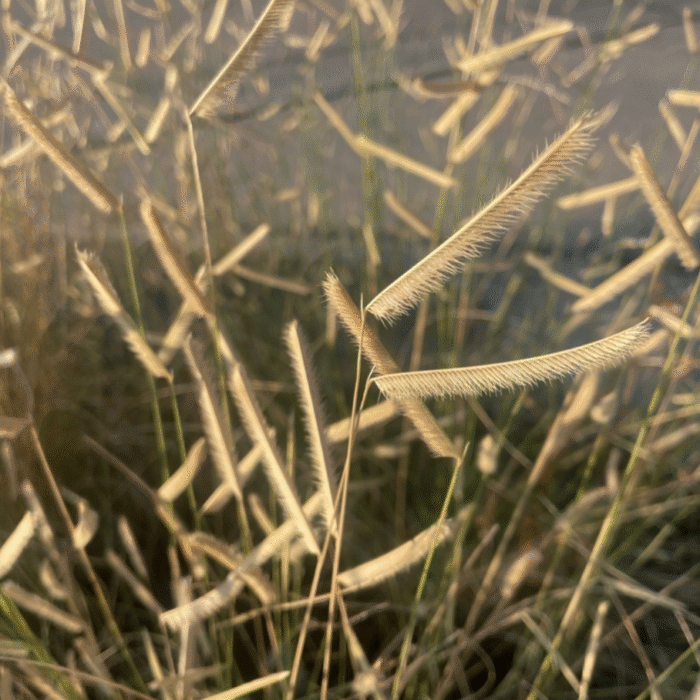
Blue Grama Grass Seed: A Guide to Growing This Native Prairie Grass
Blue grama (Bouteloua gracilis) is a warm-season grass native to the Great Plains and other parts of western North America. It is best known for its distinctive seed heads, which curve gently like tiny eyebrows above fine, blue-green foliage. Gardeners often grow it in native plantings, prairie-style landscapes, and low-input lawns where its preference for sun and dry conditions can be met.
Why Grow Blue Grama?
Once established, blue grama can tolerate drought and is adapted to sunny, open landscapes. Its compact growth and ornamental seed heads make it useful in naturalistic gardens, meadow plantings, and erosion-control projects. It can also provide habitat and forage for wildlife, although the benefits will vary with the location and the surrounding plants.
Blue grama is not a conventional, lush lawn grass. It grows most actively in warm weather, may turn tan when dormant, and generally does not tolerate heavy foot traffic as well as many turf grasses. It is a better choice for a low-traffic lawn alternative or a mixed native-grass planting than for a closely mowed, year-round green lawn.
Is Blue Grama a Good Choice for New Jersey?
Blue grama is native primarily to drier regions farther west. It can be grown in parts of the eastern United States, but New Jersey’s humid summers and frequent rainfall may make it harder to maintain than in its native range. Poor drainage and persistently wet soil are particular concerns.
In New Jersey, consider blue grama for a sunny site with sharply drained soil, such as a dry slope or a raised planting area. Before purchasing seed, check that the species suits the site and goals of the planting. A mix of native grasses and wildflowers selected for local conditions may be more reliable for a larger meadow or habitat garden.
Choosing Blue Grama Grass Seed
Look for seed labeled Bouteloua gracilis, and check the package for its germination information, seed origin, and recommended sowing rate. Seed mixes may include other grasses or wildflowers, so read the label if you want a planting made up only of blue grama. For projects intended to support local wildlife, regionally appropriate seed sources are often a good choice.
When and How to Sow
Blue grama is a warm-season grass, so sow it in spring after the soil has begun to warm and the danger of hard frost has passed. A clean, well-prepared seedbed gives young plants a better chance of establishing. Remove existing vegetation, loosen the surface, and rake the area so the seed can make contact with the soil.
- Prepare the site: Choose a sunny location and remove weeds and unwanted grass. Avoid planting in areas where water regularly collects.
- Sow evenly: Follow the seed supplier’s recommended rate. Spread seed as evenly as possible, either by hand over a small area or with a suitable spreader for a larger one.
- Cover lightly: Rake the seed into the surface or cover it with a very thin layer of soil. Seeds buried too deeply may have trouble emerging.
- Press the seedbed: Firm the soil gently to improve seed-to-soil contact without compacting it.
- Keep the surface moist: Water gently as needed while the seed germinates and seedlings develop. Do not let the seedbed dry out completely, but avoid keeping it saturated.
Germination and establishment depend on soil temperature, moisture, seed quality, and competition from weeds. Follow the instructions provided with the seed, since recommended planting depth and rates can differ among products.
Care After Planting
Young blue grama plants need time to establish. Keep weeds under control, especially during the first growing season, and water during extended dry spells while the plants are becoming established. Once mature, the grass generally needs less supplemental watering, provided it is growing in a suitable, well-drained location.
Blue grama grows slowly compared with many lawn grasses. Avoid heavy use while the planting fills in. If you are managing it as a naturalized planting, leave the seed heads standing through winter for visual interest and wildlife value, then cut or mow the area in late winter or early spring before new growth begins. Follow local guidance for meadow maintenance and fire safety.
Common Challenges
- Wet soil: Persistent moisture and poor drainage can weaken plants. Improve drainage or choose a better-adapted species for the site.
- Weed competition: Weeds can overtake slow-growing seedlings. Prepare the seedbed carefully and monitor the area during establishment.
- Too much shade: Blue grama performs best in full sun and may become thin in shaded locations.
- Expecting a traditional lawn: Its seasonal color changes, slower growth, and limited tolerance for heavy traffic may not suit every lawn use.
A Distinctive Grass for the Right Site
Blue grama grass seed can be a rewarding choice for a sunny, dry, well-drained landscape where a natural prairie look is welcome. Its graceful seed heads and ability to handle drought make it an appealing ornamental grass, but it is not a universal lawn solution. In New Jersey, site conditions and regional suitability deserve special attention. Choose seed carefully, prepare the planting area well, and give young plants time to establish.
7 Essential Tips for Successfully Planting Blue Grama Grass Seed
- Sow blue grama seed in late spring or early summer.
- Wait until the soil is warm before planting.
- Rake seed lightly into the soil; avoid burying it deeply.
- Press seeds gently for good soil contact.
- Keep the seedbed lightly moist until seedlings establish.
- Limit weeds while young grass is getting started.
- Once established, blue grama needs little water.
Sow blue grama seed in late spring or early summer.
Sow blue grama grass seed in late spring or early summer, once the soil has warmed and the risk of hard frost has passed. Warm soil supports germination and helps young plants establish during the growing season. Prepare a sunny, well-drained seedbed, press the seed gently into contact with the soil, and keep the surface evenly moist while the seedlings emerge. Follow the seed supplier’s directions for planting depth and seeding rate.
Wait until the soil is warm before planting.
Wait until the soil has warmed before planting blue grama grass seed. As a warm-season grass, blue grama germinates best in warm soil, so sowing too early can delay sprouting and leave seeds vulnerable to cool, wet conditions. In most areas, plant in spring after the danger of hard frost has passed and the soil feels consistently warm. Follow the seed supplier’s instructions for your region, and keep the seedbed lightly moist while the seeds germinate.
Rake seed lightly into the soil; avoid burying it deeply.
After spreading blue grama seed, rake it lightly into the soil so it makes good contact with the surface. Avoid burying the seed deeply, as seedlings may struggle to emerge from beneath too much soil. A thin covering is enough; then water gently to keep the seedbed evenly moist while the seeds germinate.
Press seeds gently for good soil contact.
After sowing blue grama grass seed, gently press the seeds against the soil to ensure good seed-to-soil contact. This helps the seeds absorb moisture and supports more even germination. Use a lawn roller, the back of a rake, or your hands for a small area, taking care not to bury the seeds too deeply or compact the soil.
Keep the seedbed lightly moist until seedlings establish.
Keep the blue grama seedbed lightly moist while the seeds germinate and seedlings take root. Water gently so the soil stays damp but not soggy, since standing water can hinder growth. Once the seedlings are established, gradually reduce watering and let the soil dry slightly between waterings.
Limit weeds while young grass is getting started.
Keep weeds under control while young blue grama grass is getting established, since weeds can compete with seedlings for sunlight, water, and nutrients. Prepare the planting area by removing existing vegetation before sowing, then check it regularly and pull or carefully remove weeds before they set seed. Take care not to disturb or uproot the developing grass, and avoid herbicides unless the product is labeled for use around blue grama and young seedlings.
Once established, blue grama needs little water.
Once established, blue grama needs little supplemental water, making it a good option for sunny, well-drained sites where conserving water is a priority. Water new seed and young plants regularly enough to keep the soil lightly moist while they establish, then reduce irrigation as the grass matures. In prolonged drought, occasional deep watering can help, but avoid keeping the soil soggy—blue grama performs best in conditions that drain well.