
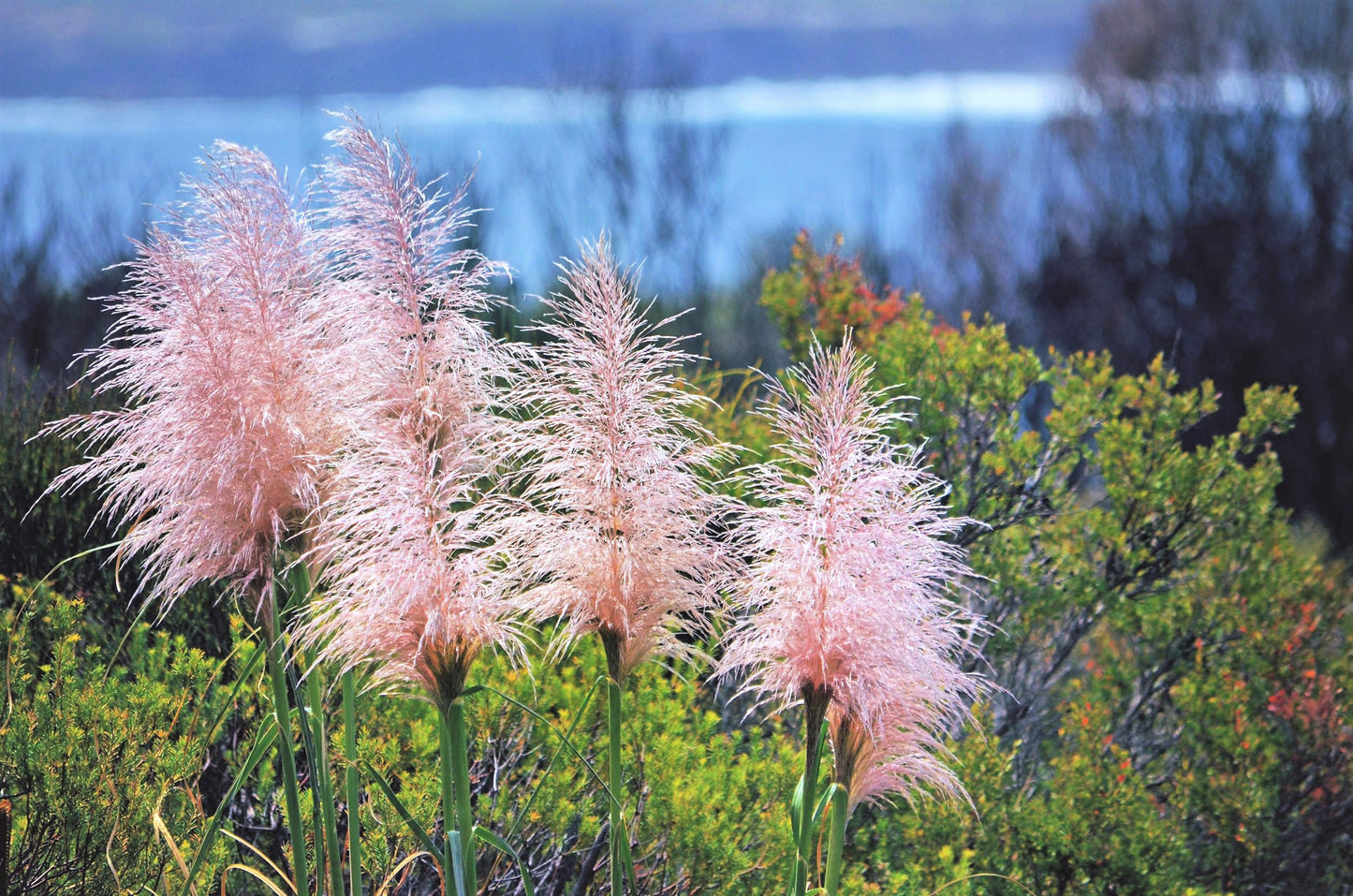
Pampas Grass Seeds: What Gardeners Should Know
Pampas grass is a large ornamental grass known for its tall, arching leaves and feathery flower plumes. Its seeds are tiny, lightweight, and produced in abundance, making the plant easy to propagate—but also potentially difficult to contain. Before buying or sowing pampas grass seeds, consider your local climate, garden space, and the plant’s environmental impact.
What Are Pampas Grass Seeds?
True pampas grass, Cortaderia selloana, is a perennial grass native to South America. Mature plants can produce large plumes containing many small seeds. The plumes may be white, cream, or pinkish, depending on the variety. Pampas grass is usually dioecious, meaning individual plants are male or female. Female plants typically produce the fuller, more decorative plumes.
Seeds sold as “pampas grass” may come from different species or cultivars, so check the botanical name on the package. Plant size, flower color, cold tolerance, and the potential to spread can vary.
How Pampas Grass Spreads
When mature, a pampas grass plume can release a large number of wind-dispersed seeds. They may travel beyond the garden and germinate in disturbed soil, roadsides, open fields, or natural areas. In some regions, pampas grass has become invasive and can displace native plants. Its dry leaves and dense growth may also create fire hazards in areas prone to wildfire.
For these reasons, check with your state or local extension service before planting pampas grass. Some locations restrict or discourage particular species or varieties. If it is considered invasive where you live, choose a noninvasive ornamental grass instead.
Starting Pampas Grass from Seed
Where growing pampas grass is appropriate, seeds are generally started in warm conditions. Follow the supplier’s directions, since seed requirements can differ. As a general approach:
- Fill a clean seed-starting tray or small pots with a moist, well-draining seed-starting mix.
- Scatter seeds on the surface and press them gently into the mix. Many grass seeds need light to germinate, so avoid covering them deeply.
- Keep the mix evenly moist but not waterlogged. A clear cover can help retain humidity, but remove it once seedlings emerge.
- Place the container in a warm, bright location. Germination time can vary with seed freshness and growing conditions.
- Once seedlings have several leaves and the weather is suitable, gradually acclimate them outdoors before planting.
Seed-grown plants may not look exactly like the parent plant, especially if the seeds were collected from a hybrid or named cultivar. They can also take time to mature and produce plumes.
Choosing a Planting Site
Pampas grass grows best in full sun and well-drained soil. It becomes very large, so allow ample room and keep it away from paths, driveways, utility lines, and property boundaries. The leaf edges can be sharp, making a site away from children’s play areas and regular foot traffic a sensible choice.
Once established, pampas grass can tolerate dry conditions, but young plants need regular watering while they develop. Avoid planting it where water collects or where its mature size would make maintenance difficult.
Seed Collection and Disposal
If you already have pampas grass, prevent unwanted spread by removing plumes before they release seeds. Wear sturdy gloves, long sleeves, and eye protection when working around the plant; its leaves can cause cuts. Place removed plumes in a sealed bag and dispose of them according to local guidance. Do not compost seed-bearing plumes unless your composting method reliably destroys seeds.
Consider Alternatives
Gardeners looking for a similar soft, plume-like effect can explore native or noninvasive grasses suited to their region. A local Cooperative Extension office or native-plant group can recommend options that provide ornamental interest while supporting local ecosystems.
Pampas grass seeds can produce striking plants, but their ability to spread makes thoughtful planning essential. Confirm that the grass is suitable for your area, give it room to grow, and prevent seeds from escaping into nearby natural spaces.
7 Benefits of Pampas Grass Seeds: Easy Growth, Stunning Plumes, and More
- Easy to sow and grow.
- Produces tall, feathery plumes.
- Adds dramatic height to gardens.
- Offers attractive texture and movement.
- Can create a natural privacy screen.
- Established plants tolerate dry conditions.
- Plumes work well in dried arrangements.
Challenges of Growing Pampas Grass from Seed: Invasiveness, Unpredictability, Slow Maturity, and Removal Difficulties
- Seeds can spread easily and become invasive.
- Seedlings may not match the parent plant.
- Plants take time to mature and produce plumes.
- Pampas grass can be difficult to remove once established.
Easy to sow and grow.
Pampas grass seeds are easy to sow and grow, making them a convenient choice for gardeners who want to establish ornamental grasses from seed. Simply scatter them over moist, well-draining soil, press them lightly into the surface, and keep the soil consistently moist while they germinate. With warmth, sunlight, and room to grow, seedlings can become vigorous plants that bring dramatic foliage and feathery plumes to the garden. Before planting, check whether pampas grass is suitable for your area, since it can spread aggressively in some regions.
Produces tall, feathery plumes.
One of the main advantages of growing pampas grass from seed is the chance to enjoy its tall, feathery plumes. As the plants mature, the dramatic blooms rise above the foliage, adding height, texture, and movement to the garden. Their soft, airy appearance also makes them an eye-catching feature in landscape beds and large containers.
Adds dramatic height to gardens.
Pampas grass seeds can grow into tall, striking plants that add dramatic height to a garden. Their upright leaves and lofty, feathery plumes create a bold focal point, bring vertical interest to flat landscapes, and add texture above shorter flowers and shrubs.
Offers attractive texture and movement.
Pampas grass seeds can grow into graceful plants that bring texture and movement to a garden. Their tall, arching leaves sway in the breeze, while soft, feathery plumes add height and a delicate contrast to sturdier flowers and foliage. This changing motion gives a landscape a lively, natural feel through the growing season.
Can create a natural privacy screen.
Pampas grass seeds can grow into tall, dense clumps that create a natural privacy screen in the landscape. Once established, the grasses can help soften views of fences, patios, or neighboring properties while adding graceful movement and texture to the garden. For best results, allow plenty of room for mature plants, and check local guidance before planting, since pampas grass can spread aggressively in some regions.
Established plants tolerate dry conditions.
Once established, pampas grass can tolerate dry conditions, making it a useful choice for gardens that receive little rainfall or need less frequent watering. Its deep, extensive root system helps the plant access moisture in the soil, although young plants still need regular watering while they take root.
Plumes work well in dried arrangements.
Pampas grass seeds grow into plants with tall, feathery plumes that make striking additions to dried arrangements. Once cut and dried, the plumes bring soft texture, height, and a natural, airy look to bouquets, wreaths, and home décor. With proper care, they can retain their shape and beauty for months.
Seeds can spread easily and become invasive.
Pampas grass seeds are light and easily carried by the wind, allowing them to spread well beyond the garden where they were planted. In suitable conditions, they can germinate in roadsides, fields, and natural areas, where new plants may crowd out native vegetation. Before growing pampas grass, check local guidance, and remove seed-bearing plumes before they release seeds.
Seedlings may not match the parent plant.
One drawback of growing pampas grass from seed is that the seedlings may not look like the parent plant. They can vary in height, growth habit, and plume color, especially when the seeds come from a hybrid or named cultivar. If a specific appearance is important, seeds may be less reliable than nursery plants propagated to preserve the cultivar’s characteristics.
Plants take time to mature and produce plumes.
One drawback of growing pampas grass from seed is the wait: seedlings need time to establish and mature before they produce their signature feathery plumes. This means the dramatic look you may be hoping for won’t appear right away, and it can take several growing seasons for plants to reach their full size and ornamental potential.
Pampas grass can be difficult to remove once established.
One drawback of pampas grass is that it can be difficult to remove once established. Its dense clumps develop extensive, tough roots that may require repeated digging and considerable effort to extract. Small pieces of the root system left behind can regrow, so removing the plant thoroughly is important. Wear sturdy gloves, long sleeves, and eye protection when working with pampas grass, as its sharp-edged leaves can cause cuts.