
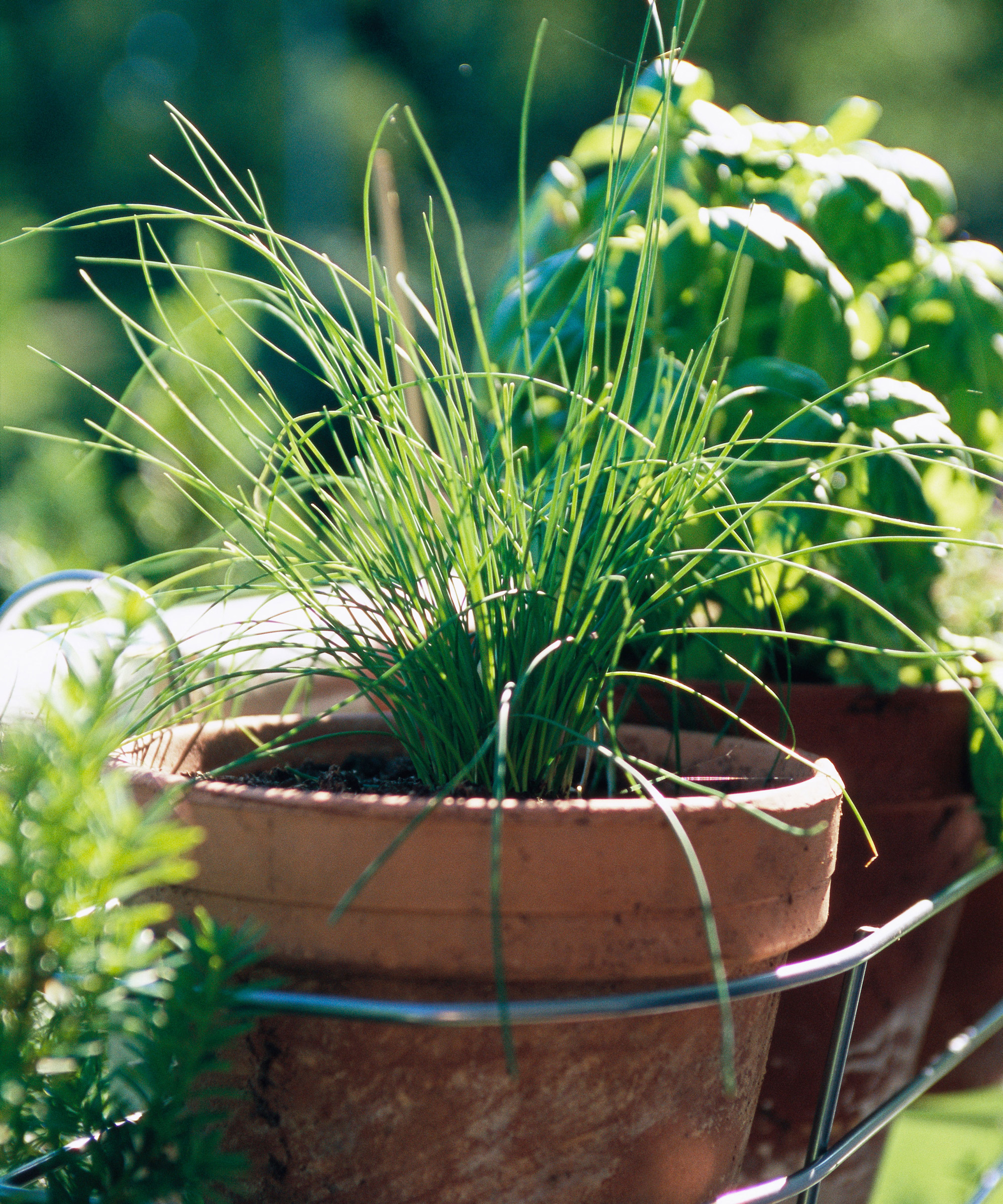
How to Grow Chives
Chives are easy-to-grow perennial herbs that add a mild, onion-like flavor to salads, eggs, soups, and other dishes. Their slender green leaves are useful in the kitchen, and their purple flowers attract pollinators. With a sunny spot and occasional care, chives can thrive in a garden bed or container for years.
Choosing a Site
Chives grow best in full sun, though they can tolerate light shade. Choose a spot with well-drained soil. They adapt to many soil types, but growth is strongest in soil enriched with compost. Avoid areas that remain soggy, as persistently wet soil can cause roots to rot.
Planting Chives
Start chives from seeds, young plants, or divisions. Seeds can be sown indoors several weeks before the last expected spring frost or directly in the garden once the soil is workable. Cover them lightly with soil and keep the soil evenly moist while they germinate.
Plant seedlings or divisions about 6 to 12 inches apart. Water them after planting to help settle the soil around the roots. Chives grow in tidy clumps and will gradually spread, so leave enough room for them to expand.
Watering and Feeding
Water chives regularly while they are becoming established. Once mature, they tolerate brief dry spells, but the leaves stay more tender when the soil receives consistent moisture. Water when the top layer of soil begins to dry, and make sure containers have drainage holes.
Chives do not need heavy feeding. A layer of compost added around the plants in spring is usually enough. Too much fertilizer can encourage leafy growth without improving flavor.
Harvesting Chives
Begin harvesting once the leaves are about 6 inches tall. Snip leaves with clean scissors, cutting them close to the base. Harvest a few leaves at a time, or cut the whole clump back to about 2 inches above the soil if you want fresh growth. Avoid removing more than about one-third of the plant at once.
For the best flavor and texture, use freshly cut leaves soon after harvesting. Chives can also be chopped and frozen for later use. Their edible flowers can be added to salads or used as a garnish.
Flowers and Plant Care
Chives produce round, purple flowers in late spring or early summer. The blooms are attractive to bees and other pollinators. If you want the plant to focus on producing leaves, remove spent flower heads before they form seeds. Otherwise, allow some flowers to remain for pollinators and natural reseeding.
Trim away yellowing or damaged leaves as needed. Divide crowded clumps every few years, preferably in spring or fall. Dig up the clump, separate it into smaller sections with roots attached, and replant the divisions.
Growing Chives in Containers
Chives grow well in pots. Choose a container with drainage holes and use a quality potting mix. Place it in a sunny location and water when the mix starts to dry. Container-grown plants may need more frequent watering than those in the ground.
Common Problems
Chives are generally low-maintenance, but overcrowded plants can develop weaker growth. Dividing the clumps improves airflow and gives the roots more room. Remove diseased or damaged leaves, and avoid watering in a way that keeps the foliage wet for long periods. Check plants occasionally for aphids or other pests, and remove small infestations by hand or with a gentle spray of water.
Enjoying a Reliable Garden Herb
With sunshine, well-drained soil, and regular harvesting, chives are a dependable addition to an herb garden. Their fresh leaves are easy to use, their flowers support pollinators, and their perennial growth means they can return season after season.
Growing Chives FAQ: Regrowth, Pots vs. Gardens, Maturity, and Tips for Success
- Do chives grow back after you cut them?
- Do chives grow in pots or garden?
- How long does it take for chives to fully grow?
- Do chives grow back after cutting?
- What is the secret to growing chives?
Do chives grow back after you cut them?
Yes. Chives grow back after cutting, and regular harvesting can encourage fresh, tender leaves. Use clean scissors to snip the leaves about 1–2 inches above the soil, leaving the roots and base of the plant intact. Avoid removing more than about one-third of the plant at a time, and keep the soil lightly moist while new growth appears.
Do chives grow in pots or garden?
Chives grow well both in pots and in the garden. Plant them in a sunny spot with well-drained soil, and water when the soil begins to dry. For container growing, choose a pot with drainage holes and use quality potting mix; pots may need more frequent watering than garden beds. In the garden, give each clump room to spread, and divide it every few years if it becomes crowded.
How long does it take for chives to fully grow?
Chives grown from seed typically take about 8 to 12 weeks to reach a size suitable for light harvesting, though they may need a full growing season to form a robust clump. Established plants grown from divisions or nursery starts usually produce harvestable leaves within a few weeks of planting. For the healthiest growth, let young plants become well established before cutting heavily, and harvest only a small portion of the leaves at a time.
Do chives grow back after cutting?
Yes, chives grow back after cutting. They produce new leaves from the base of the plant, so you can snip them as needed, leaving about 2 inches of growth above the soil. For a larger harvest, cut the whole clump back to that height; fresh shoots usually emerge as long as the plant is healthy and has enough water and sunlight. Avoid removing more than about one-third of the leaves at a time if you want the plant to keep growing vigorously.
What is the secret to growing chives?
The secret to growing chives is to give them plenty of sun, well-drained soil, and steady moisture while they establish. Once the plants are settled, they’re easy to care for: harvest leaves by snipping them near the base, but avoid cutting more than about one-third of the clump at a time. Divide crowded plants every few years to keep them vigorous, and remove spent flower heads if you want to limit self-seeding.