
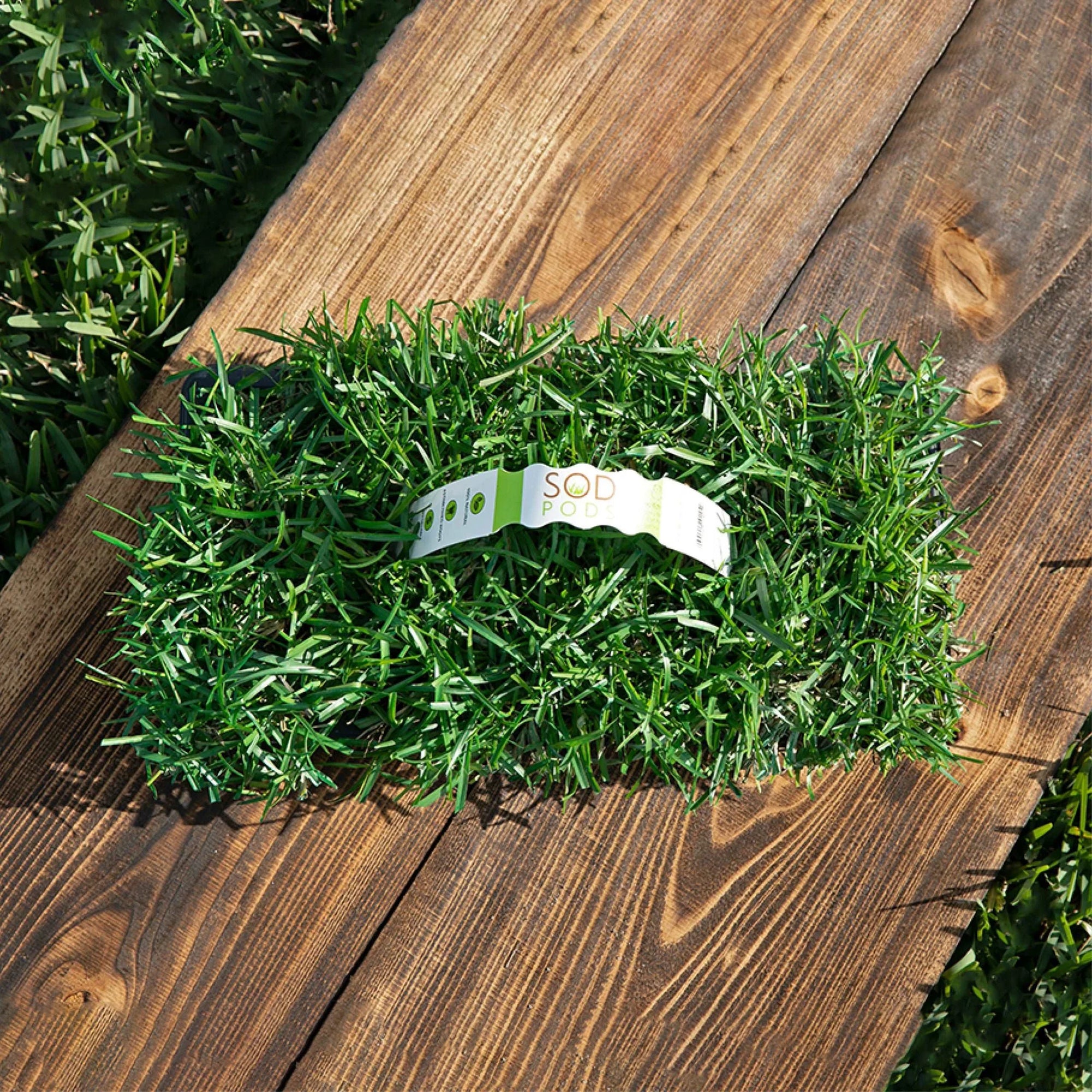
Centipede Grass Seed: How to Plant and Grow a Low-Maintenance Lawn
Centipede grass is a warm-season turfgrass valued for its slow growth, modest fertilizer needs, and relatively low-maintenance lawn care. It is best suited to the southeastern United States, where long, warm growing seasons help it thrive. If you are considering centipede grass seed, choosing the right planting time and preparing the soil carefully can make a big difference in how well the lawn establishes.
What Is Centipede Grass?
Centipede grass (Eremochloa ophiuroides) is a low-growing grass that forms a dense, light-green lawn. It spreads by aboveground runners called stolons and generally needs less mowing and fertilizer than many other warm-season turfgrasses. It is also well adapted to acidic, relatively low-fertility soils.
Centipede grass is not a fit for every yard. It has limited tolerance for cold, heavy foot traffic, drought, and salty conditions. In areas with cold winters, it may be damaged or killed by low temperatures. Check with your local Cooperative Extension office to find out whether it is recommended for your region.
When to Plant Centipede Grass Seed
Plant centipede grass in late spring or early summer, after the danger of frost has passed and the soil has warmed. Warm soil supports faster germination and establishment. Avoid late-season seeding: young grass needs enough time to develop before cooler weather arrives.
Preparing the Soil
- Clear the area. Remove existing weeds, grass, rocks, and debris. For a large area, address perennial weeds before planting, following product labels and local guidance.
- Test the soil. A soil test can show whether the pH or nutrient levels need adjustment. Centipede grass generally does well in acidic soil, around pH 5.0 to 6.0. Avoid adding lime or fertilizer without a soil-test recommendation.
- Prepare a smooth seedbed. Loosen the soil surface and break up large clumps. Level the area so water will not collect in low spots.
- Firm the surface lightly. A firm seedbed helps small seeds stay near the surface and make good contact with the soil.
How to Sow Centipede Grass Seed
Centipede grass seed is small, so even distribution is important. Use the seeding rate on the seed package; rates vary depending on whether the seed is coated. As a general guide, uncoated seed is often applied at about ¼ to ½ pound per 1,000 square feet, but the product label should take precedence.
- Divide the seed into two equal portions.
- Spread one portion across the area in one direction and the second portion at a right angle to the first.
- Gently rake or roll the area so the seed makes contact with the soil. Do not bury it deeply.
- Water with a fine spray to avoid washing the seed away.
Watering and Early Care
Keep the soil surface consistently moist while the seed germinates. This may require light watering several times a day during hot, dry weather. Avoid puddling, runoff, or letting the seedbed dry out. Germination can take several weeks, and the lawn may take a full growing season or longer to become well established.
As seedlings grow, gradually reduce watering frequency while applying enough water to moisten the developing root zone. Keep foot traffic to a minimum until the grass is established. Mow only when the new grass is tall enough for a clean cut, and avoid removing more than one-third of its height at a time.
Fertilizing and Maintaining a Centipede Lawn
Centipede grass typically needs less nitrogen than many other lawn grasses. Too much fertilizer can encourage excessive growth and may make the lawn more vulnerable to problems. Base fertilizer applications on a soil test and recommendations for your area. In general, apply fertilizer during active growth, not while the grass is dormant or under stress.
Once established, centipede grass usually needs less frequent mowing than faster-growing turf. Keep mower blades sharp and avoid cutting the grass too short. Water during prolonged dry periods, but do not keep the soil constantly saturated.
Common Problems with Centipede Grass Seed
- Seed washed away: Heavy watering or rain can move seed. Use gentle irrigation and prepare a level seedbed.
- Poor germination: Cold soil, buried seed, dry conditions, or old seed can delay or prevent germination. Plant when the soil is warm and follow the package instructions.
- Weeds among seedlings: Weeds may compete with young grass. Avoid herbicides unless the label specifically permits use on newly seeded centipede grass.
- Yellowing or weak growth: Several factors can cause this, including unsuitable soil pH, nutrient issues, poor drainage, or cold damage. A soil test and local Extension advice can help identify the cause.
Is Centipede Grass Seed Right for Your Lawn?
Centipede grass seed may be a good choice for a sunny yard in a warm region where the soil is acidic and the lawn does not need to withstand heavy traffic. It is less suitable for cold climates, shaded sites, or heavily used play areas. Before buying seed, confirm that centipede grass is recommended locally and select a product suited to your conditions.
Centipede Grass Seed FAQs: Planting, Care, Costs, and Comparisons
- What is the best seed for centipede grass?
- Which is better, centipede or zoysia?
- Will centipede grass choke out weeds?
- How do I make my centipede grass thicker and greener?
- Can you grow centipede grass from seed?
- Can you put centipede seed over existing grass?
- What time of year do you plant centipede grass seed?
- Why is centipede grass seed so expensive?
What is the best seed for centipede grass?
The best centipede grass seed is fresh, high-quality seed labeled for your region, with a named, improved variety such as TifBlair often preferred for its good establishment and improved cold tolerance compared with common centipede grass. Choose certified seed when available, check the label for the variety, purity, and germination rate, and follow its recommended seeding rate—coated seed may require a different amount. For local recommendations, consult your county Cooperative Extension office.
Which is better, centipede or zoysia?
Neither centipede grass nor zoysia is universally better—it depends on your climate and how you use your lawn. Centipede is often a good choice in warm areas for a low-maintenance lawn that needs less fertilizer, while zoysia typically forms a denser turf with better tolerance for foot traffic and cold. Both grow slowly and prefer warm conditions; zoysia can develop thatch, and centipede may struggle with heavy use or cold weather. Compare varieties suited to your region, and check whether seed is available for the type you want, since some zoysia varieties are usually established from plugs or sod.
Will centipede grass choke out weeds?
Centipede grass can help suppress weeds once it has formed a healthy, dense lawn, but it won’t reliably choke out weeds—especially while it is establishing from seed. Young centipede grass grows slowly, leaving open soil where weeds can take hold. Give the lawn time to fill in with proper watering, mowing, and soil-test-based care, and remove weeds carefully while seedlings are young. Avoid herbicides unless the product label specifically says they are safe for newly seeded centipede grass.
How do I make my centipede grass thicker and greener?
To make centipede grass thicker and greener, start with a soil test to check pH and nutrient levels, then follow its recommendations—centipede grass generally prefers acidic soil and needs less fertilizer than many other lawn grasses, so too much nitrogen can cause problems. Mow at the recommended height with sharp blades, water deeply during extended dry periods, and avoid heavy foot traffic while the lawn recovers. If bare spots remain, overseed in late spring or early summer when the soil is warm, keeping the seedbed consistently moist until the seedlings establish. For local guidance, contact your Cooperative Extension office.
Can you grow centipede grass from seed?
Yes, you can grow centipede grass from seed, though it establishes slowly and may take a full growing season or longer to form a dense lawn. Sow the seed in late spring or early summer, once the soil is warm and the danger of frost has passed. Prepare a smooth seedbed, spread the seed evenly according to the package directions, and keep the soil consistently moist with gentle watering while it germinates. For best results, choose centipede grass only if it is suited to your region and growing conditions.
Can you put centipede seed over existing grass?
You can sow centipede grass seed over an existing lawn, but it usually won’t establish well in thick, healthy grass because the existing turf blocks sunlight and keeps the seed from reaching soil. For better results, mow the lawn low, remove excess thatch, and rake or lightly loosen bare or thin areas so the seed contacts the soil. Seed in late spring or early summer, then keep the surface consistently moist while the seed germinates. If the existing grass is a different type, consider whether the two grasses will grow well together before overseeding.
What time of year do you plant centipede grass seed?
The best time to plant centipede grass seed is late spring to early summer, after the danger of frost has passed and the soil is consistently warm. Warm conditions help the seed germinate and young grass establish before cooler weather arrives. Avoid planting in fall or too late in the season, since seedlings may not have enough time to grow strong before winter. Follow the seed package directions and keep the soil surface evenly moist while the seed germinates.
Why is centipede grass seed so expensive?
Centipede grass seed can cost more than some common lawn seeds because it is produced in smaller quantities and is less widely available, especially outside the southeastern United States. The tiny seed may also be sold coated to make it easier to spread, which adds weight and processing costs. Prices vary by brand, seed quality, and the amount of pure, viable seed in the bag, so compare labels and seeding rates rather than price alone.