
Colts Neck, New Jersey: A Guide to the Township
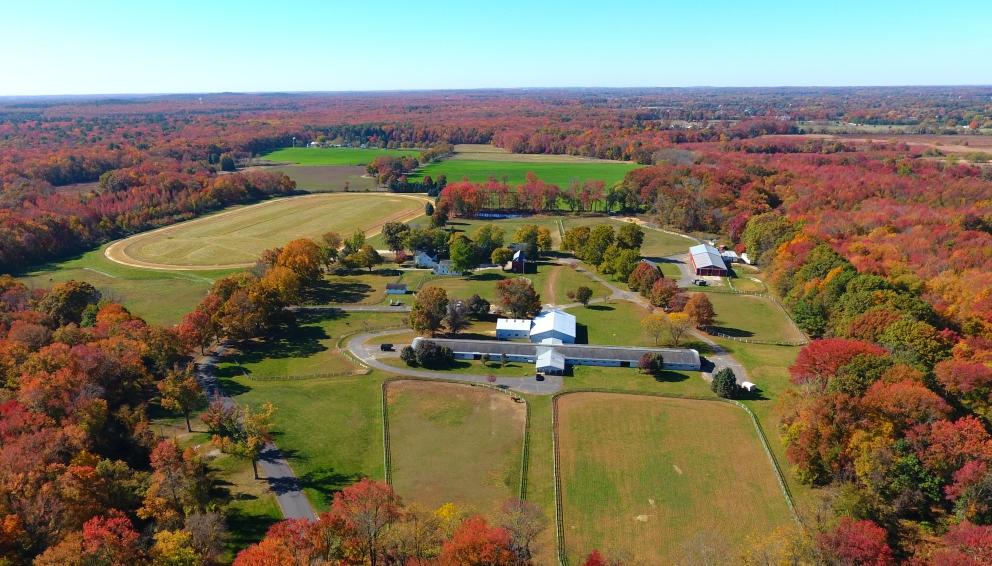
Colts Neck is a township in Monmouth County, New Jersey, known for its open landscapes, horse farms, historic homes, and strong community identity. Located in the central part of the county, it offers a quieter, rural feel while remaining within driving distance of the Jersey Shore and larger towns in the region.
A Brief History
The area that is now Colts Neck was once part of neighboring townships. It became a separate township in 1847 under the name Atlantic Township. In 1962, the community adopted the name Colts Neck, reflecting the area’s association with horses and its rural character.
Agriculture has long been part of local life. Although the township has grown and changed over time, farms and open land remain a visible part of its landscape and identity.
Rural Character and Community Life
Colts Neck is known for its spacious properties, winding roads, and equestrian facilities. Its residential areas are interspersed with farmland, woodlands, and open space, giving the township a distinctly country feel compared with more densely developed parts of New Jersey.
The community includes families, longtime residents, and people drawn to the area’s combination of privacy and regional convenience. Local schools, civic organizations, businesses, and community events help bring residents together.
Things to See and Do
Outdoor recreation is a major part of life in Colts Neck. Dorbrook Recreation Area, operated by the Monmouth County Park System, offers trails and facilities for a range of activities. The township is also home to Hominy Hill Golf Course, a public course popular with golfers from across the region.
For a taste of local agriculture, Delicious Orchards is a well-known destination for baked goods, produce, and other specialty foods. Farms and seasonal businesses in and around the township give visitors a chance to experience the area’s agricultural traditions.
Living in Colts Neck
People considering a move to Colts Neck are often drawn to its rural setting, larger residential properties, and access to outdoor spaces. As in any community, housing options and travel times vary by location, so prospective residents may want to explore the township and nearby towns to find the right fit.
Colts Neck is primarily a driving community. Regional roads connect it with destinations throughout Monmouth County, including Freehold, Holmdel, and the Jersey Shore. Residents can also reach a broader range of shopping, dining, and cultural attractions in nearby communities.
A Distinctive Corner of Monmouth County
Colts Neck stands out for preserving a rural atmosphere in a highly developed state. Its farms, equestrian traditions, parks, and close-knit community make it a distinctive place to live and visit. Whether exploring the outdoors, stopping at a local farm market, or simply enjoying the scenic roads, visitors can get a sense of what makes this Monmouth County township unique.
6 Reasons to Love Colts Neck, NJ: Rural Charm, Community, and Coastal Convenience
- Rural charm with scenic open spaces.
- A strong equestrian and farming tradition.
- Access to parks, trails, and outdoor recreation.
- A welcoming community with local events.
- Convenient to nearby Monmouth County towns.
- Close to Jersey Shore destinations.
5 Cons of Living in Colts Neck, NJ: High Housing Costs, Car Dependence, and Limited Amenities
- Housing can be expensive.
- Most errands require a car.
- Public transit options are limited.
- Shopping and dining choices are fewer than in larger towns.
- Rural roads can make some trips take longer.
Rural charm with scenic open spaces.
Colts Neck, NJ, is known for its rural charm and scenic open spaces, where winding roads, horse farms, wooded areas, and broad stretches of farmland create a peaceful country atmosphere. This spacious landscape offers residents and visitors a welcome break from the bustle of more densely developed communities, while parks and outdoor recreation areas provide inviting places to walk, relax, and enjoy nature.
A strong equestrian and farming tradition.
Colts Neck’s strong equestrian and farming tradition is an essential part of the township’s character. Horse farms, riding facilities, and working agricultural properties contribute to its open landscapes and rural feel, while local farms connect residents with the area’s agricultural roots. Together, these traditions help preserve Colts Neck’s distinctive sense of place and offer residents and visitors a glimpse of countryside life in Monmouth County.
Access to parks, trails, and outdoor recreation.
Colts Neck offers plenty of opportunities to enjoy the outdoors, with parks, trails, and recreational facilities close to home. Residents can walk, jog, or bike along scenic routes, explore open spaces, and spend time at places such as Dorbrook Recreation Area, which features trails and amenities for a variety of activities. With its green landscapes and easy access to outdoor recreation, Colts Neck makes it simple to stay active and enjoy nature throughout the year.
A welcoming community with local events.
Colts Neck is known for its welcoming, community-minded atmosphere, where local events give residents plenty of opportunities to connect. Seasonal celebrations, school activities, and community gatherings bring neighbors together and help newcomers feel at home. These shared traditions add to the township’s small-town character and make it easy for residents to build lasting connections.
Convenient to nearby Monmouth County towns.
Colts Neck offers a convenient location for exploring nearby Monmouth County towns. Residents can drive to communities such as Freehold, Holmdel, and Middletown for shopping, dining, entertainment, and everyday services, while still enjoying Colts Neck’s quieter, more rural setting. Its location also makes it easier to reach the Jersey Shore and other regional destinations.
Close to Jersey Shore destinations.
Colts Neck offers a convenient home base for exploring Jersey Shore destinations. Residents and visitors can drive to the coast for beaches, boardwalks, waterfront dining, and seasonal events, then return to the township’s quieter, rural setting. Travel times vary depending on the destination, route, and traffic, especially during the busy summer season.
Housing can be expensive.
One potential drawback of living in Colts Neck is the high cost of housing. The township’s spacious properties, rural setting, and desirable location in Monmouth County can make home prices and housing expenses higher than in many other areas. This may put homeownership out of reach for some buyers and make it important for prospective residents to carefully consider their budget.
Most errands require a car.
One drawback of living in Colts Neck is that most errands require a car. The township’s rural layout, spread-out neighborhoods, and limited public transportation can make it difficult to walk to grocery stores, restaurants, or other everyday destinations. Residents generally need to drive to nearby towns for many services, so running errands may take more planning and travel time.
Public transit options are limited.
Public transportation options in Colts Neck are limited, so getting around often requires a personal vehicle. Bus and rail service may not be convenient or readily accessible from many parts of the township, making trips to work, school, shopping, or nearby towns more challenging for residents without a car. This car-dependent lifestyle can also mean longer travel times and fewer flexible transportation choices.
Shopping and dining choices are fewer than in larger towns.
One drawback of living in Colts Neck is that shopping and dining options are more limited than in larger towns. Residents may need to drive to nearby communities for a wider selection of stores, restaurants, and everyday services, which can make quick errands or spontaneous dining plans less convenient.
Rural roads can make some trips take longer.
One downside of living in Colts Neck is that its rural roads can make some trips take longer than expected. Many routes are narrow or winding, and travel often depends on driving rather than convenient public transportation. Reaching nearby shops, services, or major highways may require extra time, especially during peak traffic or when road conditions are poor.