
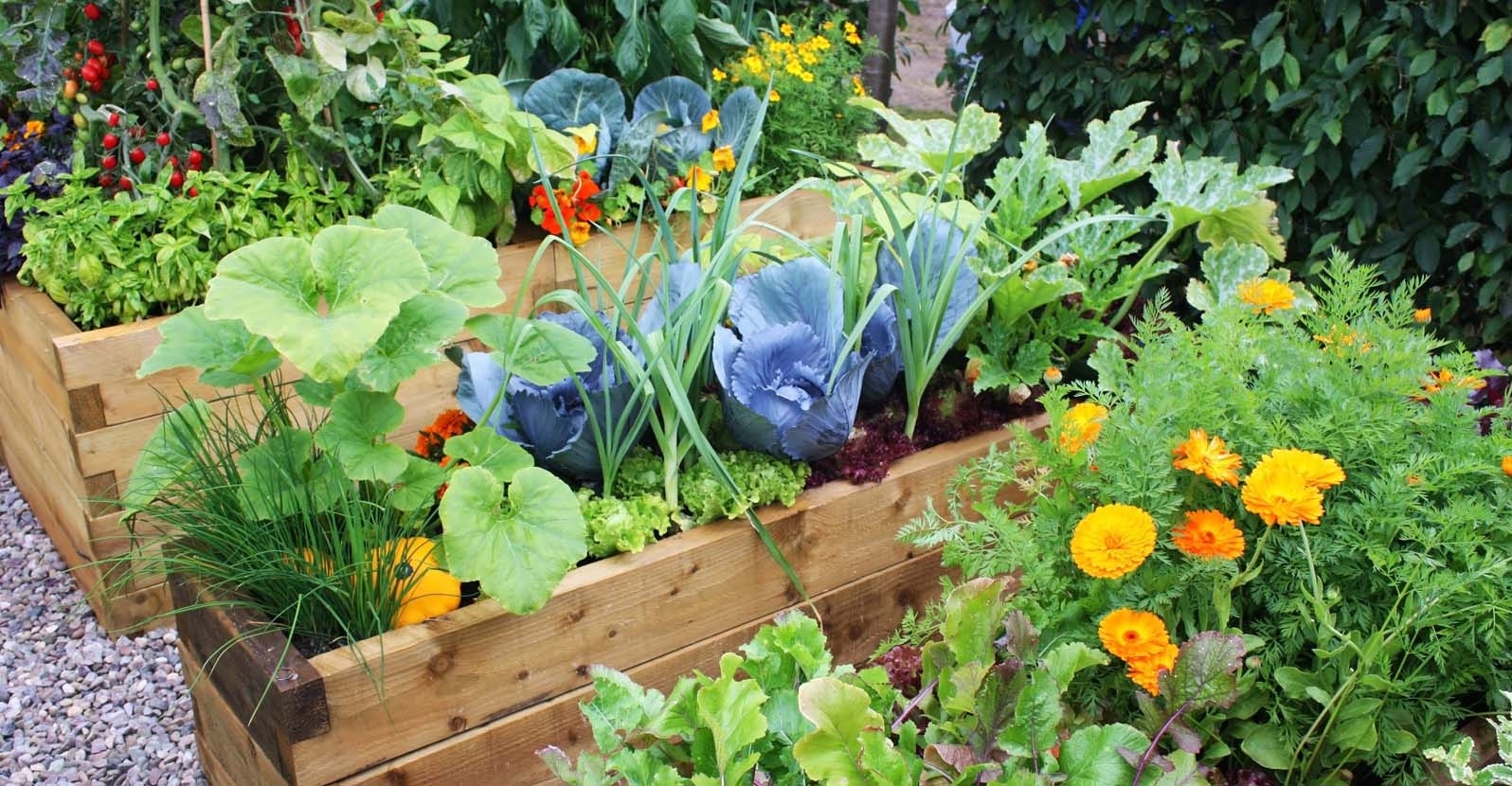
The Beauty and Benefits of Plants and Gardens
Plants and gardens have long been cherished for their beauty, but their benefits go far beyond aesthetics. Whether you are a seasoned gardener or just starting out, there is something truly special about nurturing plants and creating your own garden oasis.
One of the most obvious benefits of plants and gardens is the visual appeal they bring to our surroundings. From vibrant flowers to lush green foliage, a well-maintained garden can transform any space into a peaceful retreat. The colors, textures, and scents of plants can uplift our spirits and create a sense of calmness and serenity.
But the benefits of plants go beyond just looks. Gardening is known to have therapeutic effects on our mental health, reducing stress and promoting relaxation. Getting your hands dirty in the soil, tending to plants, and watching them grow can be incredibly rewarding and fulfilling.
Plants also play a crucial role in improving air quality by absorbing carbon dioxide and releasing oxygen. They help purify the air we breathe by filtering out pollutants and toxins, making our indoor and outdoor environments healthier places to be.
In addition to their environmental benefits, gardens provide habitat for wildlife, support biodiversity, and contribute to sustainable living practices. Growing your own fruits, vegetables, and herbs can promote healthier eating habits while reducing your carbon footprint.
Whether you have a small balcony garden or acres of land to cultivate, there is no denying the joy that comes from connecting with nature through plants. So roll up your sleeves, grab your gardening tools, and start reaping the many rewards that plants and gardens have to offer!
5 Essential Tips for a Thriving Garden: From Plant Selection to Pruning
- Choose the right plants for your garden based on sunlight and soil conditions.
- Water your plants deeply but less frequently to encourage healthy root growth.
- Mulch around plants to retain moisture, suppress weeds, and regulate soil temperature.
- Regularly check for pests and diseases on your plants to address issues early on.
- Prune your plants regularly to promote growth, shape them, and remove dead or diseased parts.
Choose the right plants for your garden based on sunlight and soil conditions.
Selecting the appropriate plants for your garden is essential for their health and vitality. By considering the sunlight exposure and soil conditions of your garden, you can choose plants that thrive in their specific environment. Sun-loving plants will flourish in areas with ample sunlight, while shade-tolerant varieties are better suited for areas with limited light. Similarly, understanding the soil composition of your garden will help you select plants that can adapt to its pH levels and drainage capabilities. By choosing the right plants based on sunlight and soil conditions, you can create a thriving garden that showcases the beauty of nature at its best.
Water your plants deeply but less frequently to encourage healthy root growth.
To promote robust root development and overall plant health, it is recommended to water your plants deeply but less frequently. By allowing the water to penetrate deeply into the soil, roots are encouraged to grow downward in search of moisture, creating a strong and resilient root system. This watering method also helps prevent shallow root growth and promotes better drought tolerance in plants, ensuring they can thrive and flourish in various conditions. Remember, consistency is key when it comes to watering your plants deeply but less often for optimal growth and vitality.
Mulch around plants to retain moisture, suppress weeds, and regulate soil temperature.
Mulching around plants is a beneficial practice that can help retain moisture in the soil, suppress weed growth, and regulate soil temperature. By creating a protective layer of mulch, gardeners can reduce water evaporation, ensuring that plants receive an adequate amount of hydration. Additionally, mulch acts as a natural barrier against weeds, preventing them from competing with plants for nutrients and sunlight. The insulation provided by mulch also helps to maintain a consistent soil temperature, protecting plant roots from extreme heat or cold. Overall, mulching is a simple yet effective way to promote healthy plant growth and maintain a thriving garden environment.
Regularly check for pests and diseases on your plants to address issues early on.
Regularly inspecting your plants for pests and diseases is a crucial step in maintaining a healthy garden. By identifying and addressing issues early on, you can prevent potential damage and ensure the well-being of your plants. Keep an eye out for common signs such as chewed leaves, discoloration, or unusual growth patterns. Taking proactive measures to control pests and diseases will help protect your garden and promote thriving plant growth.
Prune your plants regularly to promote growth, shape them, and remove dead or diseased parts.
Regular pruning is essential for the health and vitality of your plants and garden. By trimming your plants on a consistent basis, you not only encourage new growth but also help maintain their shape and appearance. Pruning also allows you to remove any dead or diseased parts, preventing the spread of illness and promoting overall plant wellness. Remember, a little pruning goes a long way in ensuring your garden thrives and remains beautiful year-round.