
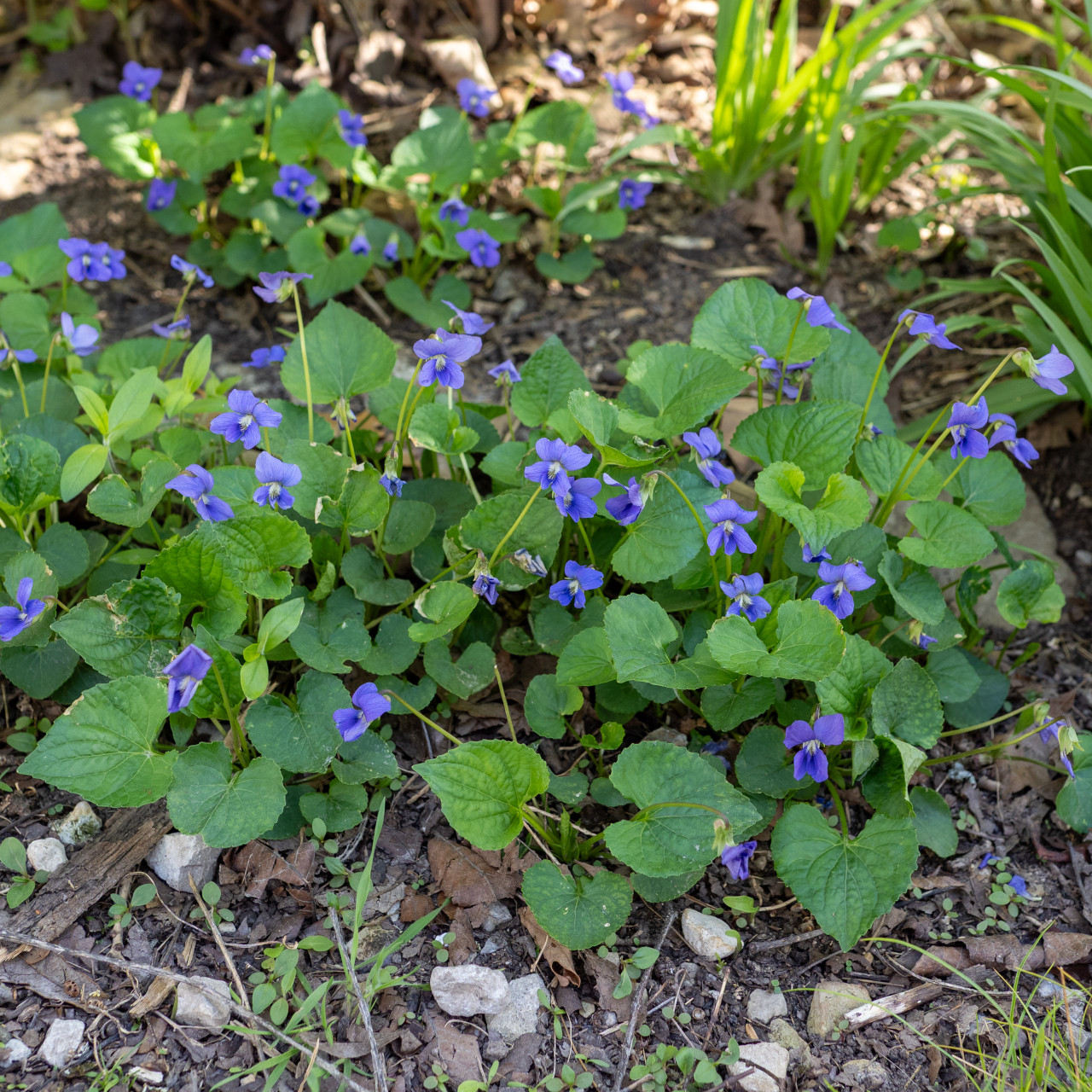
Exploring Viola Sororia: The Common Blue Violet
Viola sororia, commonly known as the common blue violet, is a charming perennial plant native to North America. This delicate wildflower is a member of the Violaceae family and is beloved for its dainty purple-blue blooms that grace woodlands, meadows, and gardens in early spring.
The common blue violet typically grows low to the ground, with heart-shaped leaves and distinctive five-petaled flowers that can vary in color from deep purple to light blue. Its blooms not only add a pop of color to the landscape but also attract pollinators such as bees and butterflies.
One of the fascinating aspects of Viola sororia is its versatility in different growing conditions. It thrives in partial shade to full sun and prefers moist, well-drained soil. This hardy plant can spread quickly through its rhizomatous roots, making it an excellent ground cover for shady areas.
In addition to its ornamental value, the common blue violet has been used in traditional medicine for its purported healing properties. Some Native American tribes used various parts of the plant for medicinal purposes, including treating coughs, colds, and skin conditions.
Gardeners interested in adding Viola sororia to their landscape can easily propagate it through division or by collecting seeds. This resilient plant requires minimal maintenance once established and can naturalize in suitable growing conditions.
Whether grown in a woodland garden, meadow setting, or container arrangement, Viola sororia adds a touch of natural beauty and charm to any outdoor space. Its early spring blooms serve as a welcome sign of the changing seasons and remind us of the simple joys found in nature.
7 Essential Tips for Growing and Caring for Viola Sororia
- Plant viola sororia in well-draining soil with partial shade.
- Water viola sororia regularly, keeping the soil consistently moist but not waterlogged.
- Mulch around the base of viola sororia to help retain soil moisture and suppress weeds.
- Fertilize viola sororia lightly in early spring to promote healthy growth and blooming.
- Deadhead faded flowers on viola sororia to encourage continuous blooming.
- Divide overcrowded clumps of viola sororia every few years to rejuvenate the plants.
- Protect viola sororia from pests like slugs and snails by using organic pest control methods.
Plant viola sororia in well-draining soil with partial shade.
For optimal growth and blooming, it is recommended to plant Viola sororia, the common blue violet, in well-draining soil with partial shade. This native North American wildflower thrives in conditions where the soil is moist but not waterlogged, allowing its rhizomatous roots to spread and establish. The partial shade provides the perfect balance of sunlight for healthy growth and vibrant blooms, making it an ideal choice for woodland gardens or shaded areas in your landscape. By selecting the right planting location and ensuring proper soil drainage, you can enjoy the beauty of Viola sororia while supporting its natural growth habits.
Water viola sororia regularly, keeping the soil consistently moist but not waterlogged.
To ensure the healthy growth of Viola sororia, commonly known as the common blue violet, it is essential to water the plant regularly, maintaining soil moisture levels that are consistently moist but not waterlogged. This delicate perennial thrives in well-drained soil that retains moisture without becoming saturated, allowing its roots to access the necessary hydration for optimal development. By providing adequate and consistent watering care, gardeners can help Viola sororia flourish and display its charming purple-blue blooms throughout the growing season.
Mulch around the base of viola sororia to help retain soil moisture and suppress weeds.
To promote the health and vitality of Viola sororia, consider mulching around the base of the plant. Mulch serves as a protective layer that helps retain soil moisture, ensuring that the common blue violet receives adequate hydration. Additionally, mulch acts as a natural weed suppressant, reducing competition for nutrients and allowing Viola sororia to thrive without interference from unwanted plants. By incorporating mulch into your gardening routine, you can create an optimal growing environment for Viola sororia while also enhancing the aesthetic appeal of your garden bed.
Fertilize viola sororia lightly in early spring to promote healthy growth and blooming.
To promote healthy growth and blooming of Viola sororia, commonly known as the common blue violet, it is recommended to fertilize lightly in early spring. A gentle application of fertilizer can provide the necessary nutrients for the plant to thrive and produce vibrant blooms. By feeding Viola sororia at the beginning of the growing season, gardeners can support its overall health and encourage a robust display of flowers throughout the spring and into summer.
Deadhead faded flowers on viola sororia to encourage continuous blooming.
To ensure continuous blooming of your Viola sororia, it is recommended to deadhead faded flowers promptly. Removing the spent blooms not only enhances the plant’s appearance but also encourages the production of new flowers. By deadheading Viola sororia, you can prolong the blooming period and enjoy a vibrant display of its charming purple-blue flowers throughout the growing season.
Divide overcrowded clumps of viola sororia every few years to rejuvenate the plants.
To ensure the continued health and vitality of your Viola sororia, commonly known as the common blue violet, it is recommended to divide overcrowded clumps of the plant every few years. This practice not only helps prevent overcrowding but also rejuvenates the plants by allowing them to spread and thrive more effectively. By dividing Viola sororia, you can promote better growth, increase flowering potential, and maintain a balanced and aesthetically pleasing garden landscape.
Protect viola sororia from pests like slugs and snails by using organic pest control methods.
To safeguard Viola sororia, also known as the common blue violet, from pests such as slugs and snails, employing organic pest control methods is essential. These delicate wildflowers are susceptible to damage from these common garden intruders, which can munch on their leaves and flowers. By utilizing natural solutions like beer traps, copper tape barriers, diatomaceous earth, or handpicking the pests off the plants, gardeners can effectively protect their Viola sororia without resorting to harmful chemicals. Implementing these eco-friendly pest control measures helps preserve the beauty and health of these charming native plants in a sustainable manner.