
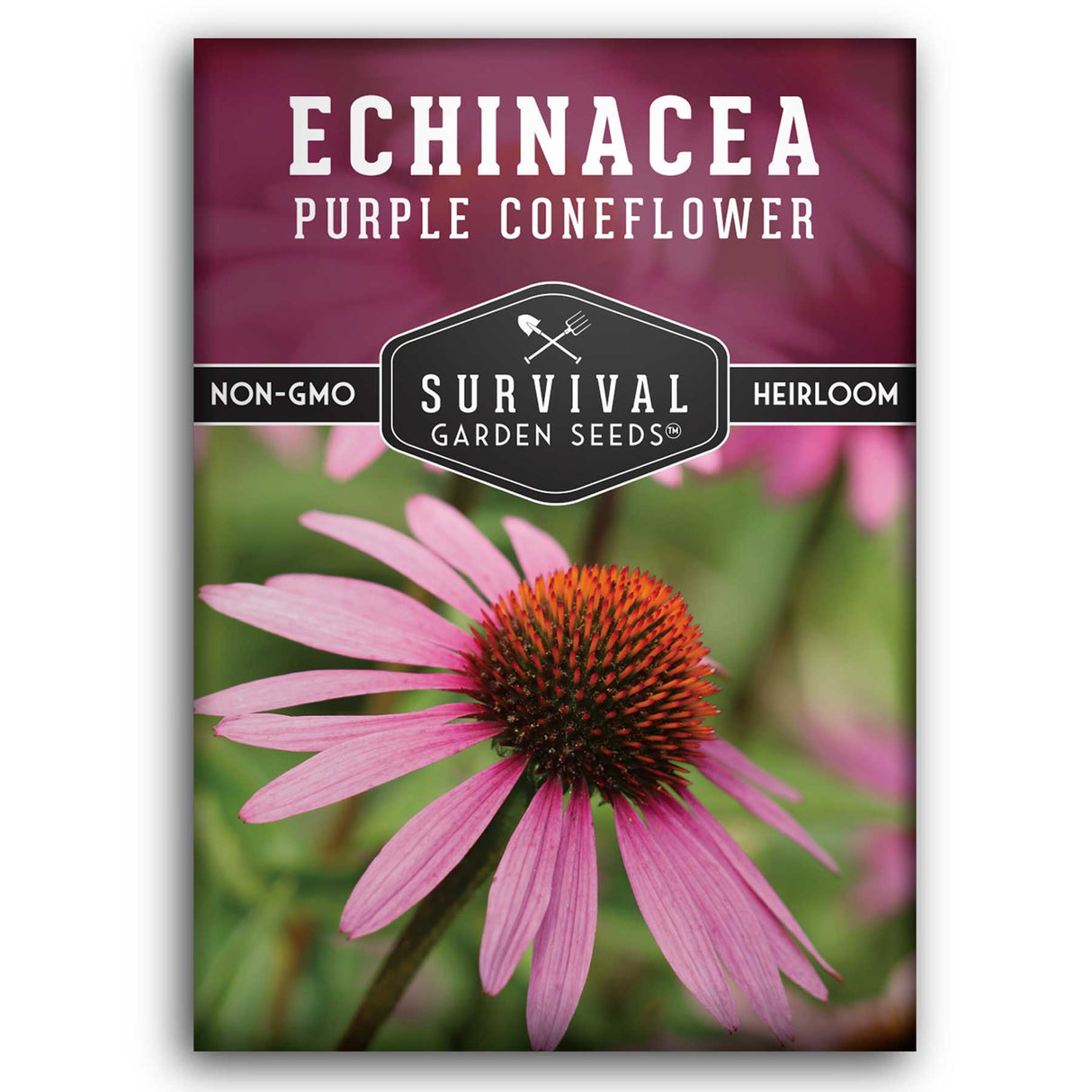
The Beauty and Benefits of Purple Coneflower Seeds
Purple coneflowers, scientifically known as Echinacea purpurea, are not only stunning additions to any garden but also offer a variety of benefits. These native North American wildflowers are beloved for their vibrant purple petals and distinctive cone-shaped centers. One of the best ways to grow purple coneflowers is from seeds, which are readily available and easy to cultivate.
Why Choose Purple Coneflower Seeds?
Starting purple coneflowers from seeds allows you to witness the entire growth cycle of these beautiful flowers. It’s a rewarding experience to nurture them from tiny seeds into full-grown plants. Additionally, growing from seeds gives you a wider selection of cultivars and ensures genetic diversity in your garden.
How to Plant Purple Coneflower Seeds
Planting purple coneflower seeds is a straightforward process. Begin by selecting a sunny location with well-drained soil. Scatter the seeds on the soil surface and lightly press them down. Water gently to ensure the seeds make good contact with the soil.
Care and Maintenance
Once your purple coneflower seeds have sprouted, provide regular watering, especially during dry spells. These hardy plants are drought-tolerant once established but benefit from consistent moisture during their early growth stages. Deadhead spent blooms to encourage continuous flowering throughout the season.
Benefits of Purple Coneflowers
- Attract Pollinators: Purple coneflowers are magnets for bees, butterflies, and other pollinators, making them valuable additions to any pollinator garden.
- Medicinal Uses: Echinacea purpurea has been traditionally used for its immune-boosting properties and is commonly found in herbal remedies.
- Natural Beauty: The striking purple blooms of these flowers add color and visual interest to any landscape or garden.
In conclusion, planting purple coneflower seeds is a wonderful way to enhance your garden while supporting local pollinators and enjoying the beauty of these native wildflowers. Consider adding these versatile plants to your outdoor space for a touch of elegance and ecological benefit.
Top 6 Benefits of Growing Purple Coneflower Seeds in Your Garden
- Easy to grow from seeds
- Wide selection of cultivars available
- Attracts pollinators like bees and butterflies
- Drought-tolerant once established
- Beautiful purple blooms add color to the garden
- Has traditional medicinal uses for immune support
Challenges of Growing Purple Coneflower Seeds: 6 Key Considerations
- Slow to germinate compared to some other flower seeds.
- May require stratification (cold treatment) before planting for optimal germination.
- Seedlings can be sensitive to overwatering, leading to root rot.
- Susceptible to powdery mildew in humid conditions.
- Seeds may attract birds and rodents, potentially reducing germination rates.
- Some cultivars of purple coneflowers may not come true from seed, resulting in variability in flower color or form.
Easy to grow from seeds
One of the significant advantages of purple coneflower seeds is their ease of cultivation. Whether you are a novice gardener or an experienced enthusiast, growing purple coneflowers from seeds is a straightforward and rewarding process. With minimal effort and basic gardening knowledge, you can sow the seeds, provide proper care, and watch these vibrant flowers bloom in your garden. This simplicity makes purple coneflower seeds an excellent choice for anyone looking to add beauty and biodiversity to their outdoor space with minimal hassle.
Wide selection of cultivars available
One significant advantage of choosing purple coneflower seeds is the wide selection of cultivars available. Gardeners have the opportunity to explore various colors, sizes, and characteristics when selecting from different cultivars of purple coneflowers. Whether you prefer traditional deep purple blooms or unique variations in shades of pink, white, or orange, the diverse range of cultivars ensures that there is a perfect option to suit every gardener’s preferences and garden design needs. This abundance of choices allows for creativity and customization in creating a beautiful and personalized garden space with stunning purple coneflowers as focal points.
Attracts pollinators like bees and butterflies
Purple coneflower seeds offer the valuable benefit of attracting essential pollinators such as bees and butterflies to your garden. These beautiful flowers act as magnets for pollinators, playing a crucial role in supporting local ecosystems and promoting biodiversity. By planting purple coneflower seeds, you not only enhance the visual appeal of your garden but also contribute to the health and wellbeing of these important pollinating insects.
Drought-tolerant once established
An appealing feature of purple coneflower seeds is their drought tolerance once they have taken root and established themselves in the soil. This characteristic makes them ideal for gardeners looking to cultivate low-maintenance plants that can thrive in drier conditions without requiring constant watering. Once these resilient flowers have settled in, they can withstand periods of limited rainfall, making them a reliable and sustainable choice for gardens in regions prone to drought or with sporadic watering schedules.
Beautiful purple blooms add color to the garden
One of the standout advantages of planting purple coneflower seeds is the infusion of vibrant color they bring to any garden. The beautiful purple blooms of these flowers serve as eye-catching focal points, enhancing the overall aesthetic appeal of the outdoor space. Whether planted in flower beds, borders, or containers, the striking hue of purple coneflowers adds a touch of elegance and charm to the landscape, creating a visually pleasing environment for both gardeners and visitors to enjoy.
Has traditional medicinal uses for immune support
Purple coneflower seeds offer a unique benefit with their traditional medicinal uses for immune support. Echinacea purpurea, commonly known as purple coneflower, has a long history of being utilized in herbal remedies to boost the immune system. The active compounds found in these seeds are believed to help strengthen the body’s natural defenses and promote overall wellness. By incorporating purple coneflower seeds into your garden, you not only add a beautiful plant to your landscape but also have access to a natural remedy that has been trusted for generations for its immune-boosting properties.
Slow to germinate compared to some other flower seeds.
One potential drawback of purple coneflower seeds is their relatively slow germination process when compared to some other flower seeds. Due to their dormancy mechanisms, purple coneflower seeds may take longer to sprout, requiring patience and consistent care during the initial stages of growth. While the wait for germination can be longer than with certain other flower seeds, the beauty and benefits of mature purple coneflowers make the process well worth the time and effort invested in nurturing these stunning plants.
May require stratification (cold treatment) before planting for optimal germination.
One potential drawback of planting purple coneflower seeds is that they may require stratification, a cold treatment process, before planting to achieve optimal germination. This means that the seeds need to experience a period of cold and moist conditions to break dormancy and stimulate germination. While this extra step may require some patience and planning, it is essential for ensuring successful seed germination and healthy plant growth. By understanding and accommodating this need for cold treatment, gardeners can maximize the chances of growing robust and flourishing purple coneflowers in their gardens.
Seedlings can be sensitive to overwatering, leading to root rot.
One potential downside of planting purple coneflower seeds is that seedlings can be sensitive to overwatering, which may result in root rot. It is important to strike a balance in watering practices to prevent waterlogged soil that can suffocate the roots and cause fungal infections. Monitoring the moisture levels and allowing the soil to dry out slightly between waterings can help mitigate the risk of root rot and ensure the healthy growth of purple coneflower seedlings.
Susceptible to powdery mildew in humid conditions.
One drawback of purple coneflower seeds is their susceptibility to powdery mildew in humid conditions. Powdery mildew is a common fungal disease that can affect the foliage of the plants, leading to a powdery white growth on the leaves. In humid environments, this fungal infection can spread quickly and impact the overall health and appearance of the purple coneflowers. Proper airflow, spacing, and preventive measures such as avoiding overhead watering can help mitigate the risk of powdery mildew infestation in these otherwise resilient and beautiful flowers.
Seeds may attract birds and rodents, potentially reducing germination rates.
One potential drawback of planting purple coneflower seeds is that they may attract birds and rodents, which can lead to a decrease in germination rates. Birds and rodents are naturally drawn to seeds as a food source, and their presence near newly planted seeds can result in fewer seeds successfully sprouting and growing into mature plants. To mitigate this issue, gardeners can consider using protective measures such as covering the planted area with a fine mesh or utilizing bird feeders to divert attention away from the seeds.
Some cultivars of purple coneflowers may not come true from seed, resulting in variability in flower color or form.
One potential downside of growing purple coneflowers from seed is that certain cultivars may not maintain their exact characteristics when propagated this way. This can lead to variability in flower color or form, deviating from the expected traits of the specific cultivar. Gardeners aiming for uniformity in their garden design or seeking to replicate a particular look may find this lack of consistency challenging when starting purple coneflowers from seed. It’s important to be aware of this possibility and consider other propagation methods if precise replication of a cultivar’s features is desired.